Video credit Dr. Lisa Littlejohn channel via YouTube.
1. What Fruit Can Dogs Eat Safely? The Complete Safe List Dogs can safely eat many fruits when served in moderation without seeds, pits, or toxic skins. Here is a full breakdown of the best fruits for dogs, including their key health benefits.
Blueberries Wondering can dogs eat blueberries ? The answer is a firm yes, they are one of the best fruits dogs can eat. They are packed with antioxidants, fiber, and vitamins C and K. These tiny berries support your dog’s immune system, reduce inflammation, and may even slow cognitive aging in older dogs. Serve them fresh or frozen as a bite-sized treat.
Strawberries Dogs can eat strawberries safely, and most of them absolutely love the sweet taste. But can dogs eat strawberries every day without any risks? Yes, strawberries are completely safe for dogs. Their natural sugar content means they are best served a few times per week rather than as a daily treat. Strawberries are high in vitamin C, manganese, folate, and fiber. They also contain an enzyme that may help whiten your dog’s teeth over time. Always remove the green tops and slice them to prevent choking.
One medium strawberry per day is enough for a small dog. Larger breeds can enjoy 3 to 4 slices as an occasional treat.
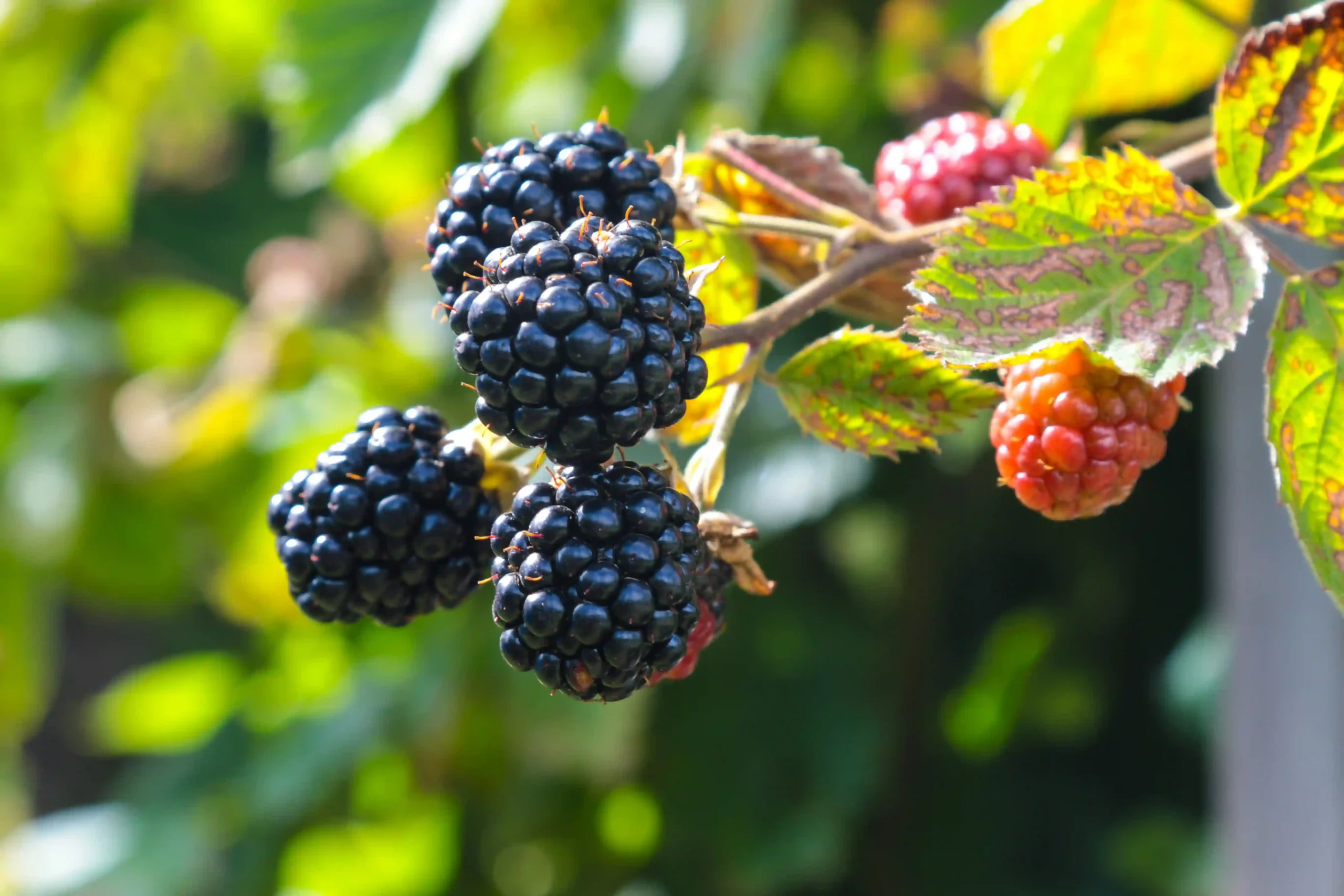
Blackberries Can dogs eat blackberries regularly? Yes, they are one of the lowest sugar fruits on this list, making them completely safe and an especially good choice for dogs managing their weight. They are loaded with vitamins A, B, C, and E, along with antioxidants and omega-3 fatty acids. Feed a small handful a few times per week rather than every day.
Watermelon Watermelon is one of the most hydrating fruits dogs can eat, made up of 92 percent water. It is rich in vitamins A, B6, and C and is great on a hot day. Always remove the rind and seeds before giving it to your dog. The seeds can cause intestinal blockage, and the rind is hard to digest.
Apples Apples are a classic dog-friendly fruit. They are high in fiber and vitamins A and C. The crunchy texture can also help clean your dog’s teeth . Always remove the core and seeds before feeding apples to your dog; the apple skin is fine, but peeling can aid digestion. Apple seeds contain a compound called amygdalin , which breaks down into cyanide when chewed.
Mango Ripe mango flesh is safe for dogs in small amounts. It is rich in vitamins A, B6, C, and E and contains powerful antioxidants. Always remove the skin and the large pit before serving. The pit contains trace amounts of cyanide and is also a serious choking hazard.
Bananas Bananas are safe, and many dogs love them. They are high in potassium, vitamins B6 and C, and fiber. However, bananas are also high in sugar, so they should be given as an occasional treat rather than a daily snack. Half a banana, two or three times per week is plenty for most dogs.
Pineapple Fresh pineapple is safe for dogs and contains bromelain , an enzyme that helps with protein absorption. It also has vitamins C and B6 and manganese. Remove the tough outer skin and the core before serving. Avoid canned pineapple, as it contains added sugars that dogs do not need.
Goji Berries You may wonder can dogs eat goji berries safely, given how little most people know about them. Yes, dogs can eat goji berries in small amounts, and these tiny red berries are rich in antioxidants, beta-carotene, and vitamins C and E. They support eye health and immune function. However, because research on goji berries for dogs is limited, offer them sparingly and always watch for any signs of digestive upset.
Cantaloupe and Honeydew Melon Both cantaloupe and honeydew are safe fruits for dogs. They are high in water content, vitamins A and C, and beta-carotene, which support healthy eyes and skin. Remove the seeds and the rind before feeding. Because they are high in natural sugar, keep portions small, especially for dogs prone to weight gain.
Here is a quick reference table for safe fruits:
Fruit
Safe for Dogs?
Key Benefit
Remove Before Serving
Blueberries
Yes
Antioxidants, immunity
Nothing
Strawberries
Yes
Vitamin C, fiber
Green tops
Blackberries
Yes
Omega-3, vitamins
Nothing
Watermelon
Yes
Hydration, vitamins
Seeds and rind
Apples
Yes
Fiber, dental health
Core and seeds
Mango
Yes
Vitamins A, C, E
Skin and pit
Bananas
Yes (in moderation)
Potassium, B6
Peel
Pineapple
Yes
Bromelain, vitamin C
Skin and core
Goji Berries
Yes (small amounts)
Antioxidants, eye health
Nothing
Cantaloupe
Yes
Beta-carotene, vitamin A
Seeds and rind
2. What Fruits Can Dogs Not Eat? The Toxic List You Must Know Not all fruits are safe. Some are genuinely dangerous and can cause serious health problems. Every dog owner must know what fruits dogs cannot eat before offering any new food.
Grapes and Raisins Grapes and raisins are among the most toxic foods for dogs. Even a very small amount can cause sudden kidney failure. Scientists have not yet identified the exact compound that causes this reaction, which means no amount is considered safe. If your dog eats even one grape, contact your vet or the ASPCA Animal Poison Control Center immediately at 888-426-4435 .
Cherries Cherry pits, leaves, and stems contain cyanide, which is toxic to dogs. While the cherry flesh itself is not toxic, the risk of your dog swallowing a pit is too high. It is safer to avoid cherries altogether. Symptoms of cherry toxicity include dilated pupils, difficulty breathing, and bright red gums.
Avocado Avocado contains a compound called persin, which can cause vomiting and diarrhea in dogs. The large pit is also a serious choking hazard. The flesh, skin, and pit all contain persin in varying amounts. Keep avocados completely out of reach of your dog.
Citrus Fruits in Large Amounts Small amounts of orange flesh are generally considered safe for most dogs. However the peels, seeds, and pith of citrus fruits contain essential oils and psoralens that can cause gastrointestinal upset and central nervous system depression in larger quantities. Lemon and lime juice can cause vomiting, diarrhea, and sensitivity to light. When people ask what citrus fruits can dogs eat, the answer is orange flesh only and only in very small amounts.
Tomatoes (Unripe) Ripe tomato flesh is generally considered safe in small amounts, but unripe tomatoes and tomato plants contain solanine, a toxic compound that can cause tremors, seizures, and irregular heartbeats in dogs. It is best to keep tomato plants away from your dog entirely.
Fruit
Toxic?
Dangerous Part
Symptoms
Grapes/Raisins
Extremely toxic
Entire fruit
Kidney failure, vomiting
Cherries
Toxic
Pit, leaves, stem
Cyanide poisoning
Avocado
Toxic
All parts
Vomiting, diarrhea
Lemon/Lime
Toxic in large amounts
Peel, seeds, juice
GI upset, depression
Unripe Tomato
Toxic
Green parts
Tremors, seizures
Fruit Safety Checker Tool The tables above give a full overview, but finding the right answer for a specific fruit still means scrolling through the whole article. Use our free fruit safety checker below to instantly look up any fruit — including exotic or unusual ones not covered above, and get the safety verdict, serving size, and preparation guide in one tap:
🍋 Is This Fruit Safe for My Dog? Search any fruit or tap one below for an instant safety verdict, serving size, and preparation guide
Check Fruit
🥘 Blueberry
🍓 Strawberry
🍉 Watermelon
🍎 Apple
🍌 Banana
🥭 Mango
⬛ Blackberry
🍇 Grape
🍍 Pineapple
🍒 Cherry
🟥 Goji Berry
🥑 Avocado
🍎 Pear
🍑 Peach
🍒 Raspberry
🍋 Lemon
❓ We don’t have data for that fruit yet. When in doubt, always consult your vet before feeding any new fruit to your dog.
This tool is a general guide only. Always consult your veterinarian before introducing new foods, especially if your dog has a health condition.
3. What Fresh, Frozen, and Dried Fruits Can Dogs Eat? The way fruit is prepared makes a significant difference in how safe and healthy it is for your dog. Let us break down each form so you know exactly what to offer.
What Fresh Fruits Can Dogs Eat? Fresh fruit is the best option for dogs. It has no added sugar, preservatives, or artificial ingredients. Fresh blueberries, strawberries, watermelon chunks, apple slices, and mango pieces make excellent treats. Always wash fruit thoroughly before giving it to your dog and remove any seeds, pits, or rinds as discussed above.
Fresh fruit retains the most natural vitamins and antioxidants, making it the most nutritionally valuable form for your dog.
What Frozen Fruits Can Dogs Eat? Frozen fruits are a fantastic option, especially in warm weather. Dogs can eat frozen blueberries, frozen strawberries, frozen mango chunks, and frozen watermelon pieces. Freezing does not significantly reduce the nutritional value of most fruits. It also slows down the eating speed, which is great for dogs that tend to gulp their food quickly.
Frozen fruit also works as a long-lasting treat to keep your dog cool and entertained on a hot day. Just make sure the frozen pieces are not so large that they become a choking hazard for smaller dogs.
What Dried Fruit Can Dogs Eat? This is where dog owners need to be very careful. Most commercially dried fruits are not safe for dogs for two main reasons. First, they contain highly concentrated natural sugars, which can spike blood sugar and contribute to obesity and dental problems. Second, many dried fruits contain added sugar, sulfites, or other preservatives that are harmful to dogs.
The same caution applies to baked fruit products. If you are wondering whether dogs can eat blueberry muffins, the answer depends heavily on the ingredients. Most commercial muffins contain sugar, xylitol, or other additives that are harmful to dogs. Check out our detailed guide on can dogs eat blueberry muffins for a full breakdown
Raisins, which are simply dried grapes, are extremely toxic as mentioned above. Dried cranberries without added sugar are sometimes offered in very tiny amounts and are not considered toxic, but they offer little benefit, and the sugar concentration is still a concern.
As a general rule, stick to fresh or frozen fruits and avoid dried fruits for dogs entirely.
4. How Much Fruit Can Dogs Eat Every Day? Even safe fruits should be given in moderation. Fruit contains natural sugars, and too much can lead to digestive upset, diarrhea, weight gain, and blood sugar imbalances, especially in diabetic dogs.
Veterinary nutritionists generally follow the 10 percent rule: treats, including fruit should make up no more than 10 percent of your dog’s total daily calorie intake. The remaining 90 percent should come from a complete and balanced dog food.
Portion Guide by Dog Size Dog Size
Weight Range
Daily Fruit Portion
Extra Small
Under 10 lbs
1 to 2 small pieces or 3 to 4 berries
Small
10 to 25 lbs
2 to 3 pieces or 5 to 8 berries
Medium
25 to 60 lbs
A small handful or 3 to 4 slices
Large
60 to 100 lbs
A medium handful or 5 to 6 slices
Extra Large
Over 100 lbs
Up to one cup of mixed fruit pieces
If your dog has diabetes, pancreatitis, or is overweight, always consult your vet before adding fruit to their diet. The natural sugar in fruit can interfere with blood sugar management in diabetic dogs.
What Fruit Can Dogs Eat Every Day? The safest fruits to offer daily in small amounts are blueberries, watermelon, and apple slices. These have a good balance of nutrients and relatively low sugar compared to fruits like mango and banana. Rotate different fruits throughout the week to give your dog variety and a broader range of nutrients.
Fruits like bananas and mangoes should be kept to a few times per week at most due to their higher sugar content.
5. What Are the Real Benefits of Feeding Fruit to Dogs? Fruit is not just a tasty treat. When given correctly, it provides genuine health benefits that support your dog’s long-term wellbeing.
Antioxidants for Immune Support Blueberries, blackberries, and strawberries are loaded with antioxidants that help fight free radicals in your dog’s body. Free radicals are unstable molecules that can damage cells and contribute to aging, cancer, and chronic disease. A diet rich in antioxidants supports a stronger immune system and may reduce the risk of certain cancers.
Fiber for Digestive Health Which fruits are best for a dog’s digestive health? Apples, blueberries, and pears are excellent choices. Their soluble fiber feeds the beneficial bacteria in your dog’s gut and helps regulate bowel movements. Dogs that struggle with mild constipation or loose stools may benefit from small amounts of fiber-rich fruit added to their diet.
Hydration Fruits like watermelon, cantaloupe, and strawberries have very high water content. For dogs that do not drink enough water on their own, these hydrating fruits can support overall fluid intake, especially during summer months. Proper hydration supports kidney function, digestion, and joint lubrication.
Vitamins and Minerals Fruit provides a natural source of essential vitamins, including vitamin C which supports immune function and skin health, vitamin A which is important for eye health and immune response, potassium which supports heart and muscle function, and vitamin K which plays a role in blood clotting and bone metabolism.
Low-Calorie Treats Fresh fruit is significantly lower in calories than most commercial dog treats. A handful of blueberries contains roughly 10 to 15 calories, while a typical commercial dog treat can contain 30 to 100 calories. Switching some treat time to fresh fruit is an easy way to reduce your dog’s calorie intake without making them feel deprived.
6. What Fruits and Vegetables Can Dogs Eat Together? Many dog owners want to know what fruits and vegetables can dogs eat when making homemade dog food or preparing a mixed snack. The good news is that most dog-safe fruits pair well with dog-safe vegetables.
Best Vegetables to Pair with Fruit Carrots and blueberries make a great combination. Both are low in calories and rich in antioxidants and beta-carotene. You can mix them into a dog-friendly frozen treat by blending them with plain unsweetened yogurt and freezing in ice cube trays.
Cucumber and watermelon together provide maximum hydration. Both are over 90 percent water and very low in calories, making them ideal for warm-weather snacks.
Sweet potato and banana can be combined into a homemade dog treat. Both are rich in potassium and fiber, and dogs tend to love the naturally sweet flavor.
What Are Good Vegetables to Put in Homemade Dog Food? If you make homemade dog food, the safest and most nutritious vegetables to include are carrots which are high in beta-carotene and fiber, green beans which are low in calories and high in iron and calcium, peas which provide plant-based protein and vitamins B1 and K, sweet potato which is rich in vitamins A and C and dietary fiber, and pumpkin which supports digestive health and is high in fiber and vitamin A.
Always cook root vegetables like sweet potato and pumpkin before adding them to homemade dog food. Raw starchy vegetables are harder for dogs to digest, and cooking increases their nutritional availability.
What Veggies Can Dogs Eat Daily? The safest vegetables for daily feeding in small amounts are carrots, cucumbers, and green beans. They are low in sugar and calories and provide useful fiber without overloading your dog’s digestive system. Avoid onions, garlic, leeks, chives, and mushrooms entirely as these are toxic to dogs.
7. Special Considerations: Puppies, Small Breeds, and Senior Dogs Can Puppies Eat Fruits and Vegetables? Yes, puppies can eat fruits and vegetables, but in much smaller amounts than adult dogs. A puppy’s digestive system is still developing and is more sensitive to dietary changes. Start with very tiny pieces of safe fruits like blueberries or a thin slice of apple, and watch closely for any signs of upset stomach, such as loose stools or gas.
Avoid high sugar fruits like mango and banana for puppies under 12 weeks old. Always check with your vet before introducing new foods to a very young puppy.
Small and Toy Breeds Small breeds have much smaller stomachs and a much lower daily calorie allowance. What seems like a small amount of fruit for a large dog can be a significant calorie load for a Chihuahua or Yorkie. Stick to 2 to 3 small blueberries or a single thin apple slice as a treat for tiny breeds. Cut all fruit into very small pieces to prevent choking.
Senior Dogs Older dogs often benefit from antioxidant-rich fruits that may help reduce inflammation and support cognitive health. Blueberries in particular have been studied for their potential to support brain health in aging dogs. However, senior dogs may also have conditions like diabetes, kidney disease, or dental problems that affect what they can safely eat.
If your senior dog has any diagnosed health conditions, always get your vet’s guidance before adding fruit to their diet.
8. What Do Leading Pet Nutrition Companies Recommend? Brands like Hill’s Pet Nutrition, Royal Canin, and Purina all acknowledge that fresh fruit can be a healthy supplement to a dog’s diet when used as an occasional treat rather than a meal replacement.
The American Kennel Club (AKC) recommends blueberries, watermelon, apples, and bananas as among the safest fruit options for dogs. The AKC specifically cautions against grapes, raisins, and avocado as highly toxic options.
The ASPCA Animal Poison Control Center lists grapes, raisins, and currants as among the most dangerous foods for dogs, reinforcing that these should never be offered under any circumstances.
The general veterinary consensus from organizations, including the Veterinary Medical Association, is that a whole food approach that includes small amounts of fresh fruit can complement a complete and balanced commercial dog food without risk when owners follow safe preparation guidelines.
9. Frequently Asked Questions
What is the most toxic fruit for dogs? Grapes and raisins are the most toxic fruits for dogs. Even a single grape can cause acute kidney failure in some dogs. The exact toxic compound has not been fully identified, which is why no amount is considered safe. If your dog eats grapes or raisins, contact a vet immediately.
What human fruit is good for dogs? Blueberries, watermelon, apples, and strawberries are among the best fruits for dogs. They are nutrient-dense, low in calories, and easy to prepare safely. Always remove seeds, pits, and rinds and serve in small portion-controlled amounts based on your dog’s size.
Can puppies eat fruits and vegetables? Yes, puppies can eat small amounts of dog-safe fruits and vegetables. However, their digestive systems are more sensitive than adult dogs, so start with tiny pieces of low-sugar options like blueberries or cucumber. Avoid high-sugar fruits for very young puppies and always check with your vet first.
Which fruits are best for a dog’s digestive health? Apples and blueberries are the best fruits for a dog’s digestive health. Their soluble fiber supports healthy gut bacteria and helps regulate bowel movements. Pumpkin, while technically a fruit, is one of the most effective foods for improving dog digestion and is widely recommended by vets for dogs with mild diarrhea or constipation.
Can dogs eat berries, and which ones are safe? Yes, dogs can eat many types of berries. Blueberries, strawberries, and blackberries are all safe and nutritious. Goji berries are generally considered safe in small amounts. Avoid wild berries you find outdoors, as many are toxic to dogs, including holly berries, mistletoe berries, and juniper berries.
What citrus fruits can dogs eat? Dogs can tolerate very small amounts of orange flesh. However, citrus fruits in general are not recommended because the peels, seeds, and oils can cause gastrointestinal irritation and, in larger amounts may cause central nervous system depression. Lemons and limes should be completely avoided. If your dog loves a citrus-like flavor, a tiny piece of orange flesh a couple of times per week is the safest approach.
What dried fruit can dogs eat? Most dried fruits are not recommended for dogs due to high sugar concentration and potential additives. Raisins, which are dried grapes, are extremely toxic. Unsweetened dried cranberries are sometimes considered safe in very tiny amounts but offer minimal benefit. Fresh or frozen fruit is always a safer and healthier choice than dried fruit for dogs.
What are the benefits of feeding fruit to my dog? Feeding dog-safe fruit provides antioxidants that support immune health, fiber that aids digestion, vitamins A and C that support skin and eye health, natural hydration, especially from water-rich fruits like watermelon, and low-calorie treat options that help with weight management. Always feed in moderation as part of a balanced diet.
10. Conclusion Knowing what fruit can dogs eat safely does not have to be complicated. The key is preparing fruit correctly by removing seeds, pits, and rinds, and keeping portions appropriate for your dog’s size.
Start small whenever you introduce a new fruit. Offer one or two pieces and watch your dog for 24 hours before making it a regular treat. Every dog is different, and what works perfectly for one may not suit another.
The fruits you must absolutely avoid are grapes, raisins, cherries, and avocado. These can cause serious and potentially life-threatening harm even in small quantities.
This article is written for informational purposes only. What works for one dog may not always suit another. Always consult a licensed veterinarian before making significant changes to your dog’s diet, especially if your dog has any existing health conditions. If your dog consumes a toxic fruit or shows any unusual symptoms after eating, contact your veterinarian or the ASPCA Animal Poison Control Center immediately at 888-426-4435.
Muhammad Saad writes about pet nutrition and safety at Petscriz, researching each topic against peer-reviewed and veterinary sources. Firsthand animal care experience includes freshwater fish, rabbits, cats, parrots, and chicks; dog-related content is compiled from cited research rather than personal ownership, and is flagged accordingly throughout the site.