Video credit Holistic Actions! channel via YouTube.
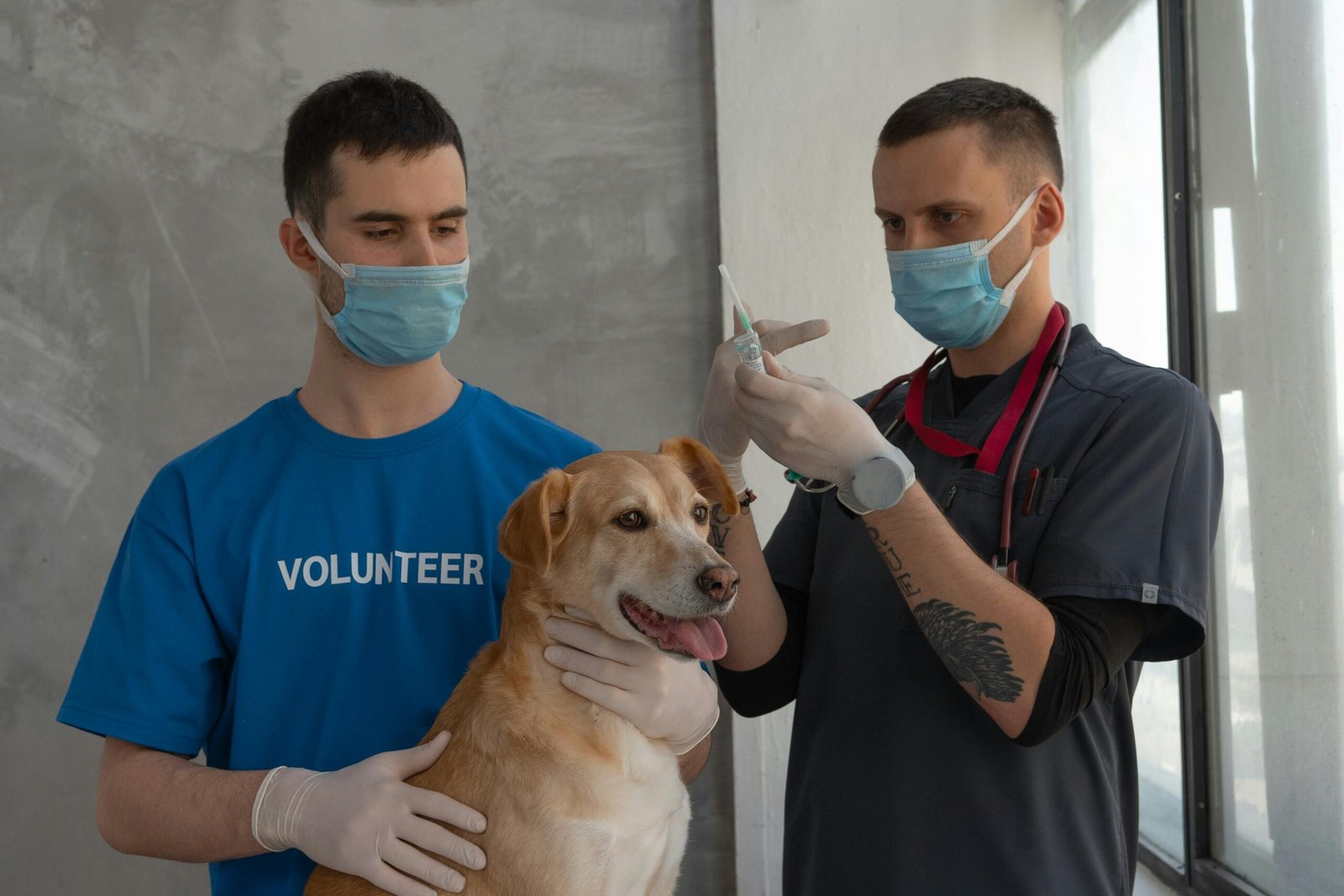
What Is the Rabies Vaccine and Why Does Your Dog Need It? The rabies vaccine is a medically and legally required injection that trains your dog’s immune system to fight off the rabies virus before it can cause illness. Rabies is a viral disease that attacks the brain and nervous system of mammals. Once symptoms appear in a dog or a human, it is almost always fatal.
If you want to understand all the vaccines your dog needs beyond rabies, read our complete guide: Which Dog Vaccines Are Absolutely Necessary .
How the Rabies Virus Spreads Rabies spreads through the saliva of an infected animal, usually through a bite. In the United States, common carriers include bats, raccoons, skunks, foxes, and coyotes. Even a dog that lives mostly indoors can encounter a bat that flies into the home, which is one of the most frequent exposure risks according to the Centers for Disease Control and Prevention (CDC) .
Once the virus enters the body, it travels along the nerves toward the brain. The closer the bite is to the brain, the faster symptoms develop. This is why early vaccination is so critical.
Why the Rabies Vaccine Is Non-Negotiable The rabies vaccine is the only vaccine required by law in every U.S. state. This is because rabies is a zoonotic disease, meaning it can pass from animals to humans. Vaccinating your dog does not just protect your pet. It protects your family, your neighbors, and your community.
According to the American Veterinary Medical Association (AVMA) , widespread dog vaccination is the single most effective strategy for preventing human rabies cases in the United States. The vaccine is safe, proven, and widely available.
How Often Do Dogs Need Rabies Shots? The Core Schedule Most dogs follow a two-stage rabies vaccination schedule: an initial shot followed by boosters. How often your dog needs a rabies shot after the first dose depends on the vaccine type used and the laws of your state.
Puppy Rabies Shot Schedule Puppies receive their first rabies vaccine between 12 and 16 weeks of age. This is the minimum age recommended by veterinary guidelines because a puppy’s immune system needs to mature enough to build a lasting response to the vaccine.
After the first shot, a booster is given one year later. This booster is essential. The first shot primes the immune system. The one-year booster locks in long-term immunity.
Puppy Age
Vaccine Given
Notes
12 to 16 weeks
First rabies shot
Required by law in most states
12 to 15 months
One-year booster
Confirms and strengthens immunity
Every 1 to 3 years after
Ongoing booster
Depends on vaccine type and state law
Adult Dog Rabies Booster Schedule After the one-year booster, adult dogs typically receive rabies shots every one to three years. The exact interval depends on two things:
Vaccine type: One-year vaccines require annual boosters. Three-year vaccines, once the one-year booster has been given, allow a booster every three years.State law: Some states legally require annual boosters regardless of the vaccine type used.Most veterinarians use the three-year vaccine for adult dogs when state law permits it, as it reduces the number of office visits while maintaining full protection.
Puppy vs Adult Dog: Side-by-Side Comparison
Puppies (under 1 year)
Adult Dogs (1 year and older)
First Dose
12 to 16 weeks of age
As soon as possible if unvaccinated
Second Dose
12 months after the first
One year after the first dose
Ongoing Boosters
Every 1 to 3 years
Every 1 to 3 years
Vaccine Type
1-year vaccine standard
1-year or 3-year, depending on the vet’s choice and vaccine label
Rabies Vaccination Laws: State-by-State Breakdown One of the most common questions dog owners search for is how often do dogs need rabies shots in specific states . The answer varies because rabies vaccination laws are set at the state level, and sometimes even at the county level. Here is a clear breakdown for the most commonly searched states.
State
First Shot Age
Booster After 1st
Ongoing Booster
Enforced By
California
3-4 months
1 year later
Every 3 years
County level
Texas
4 months
1 year later
Every 3 years
State law
Florida
4 months
1 year later
Every 3 years
State law
Nevada
3 months
1 year later
Every 3 years
State law
Oregon
3-6 months
1 year later
Every 3 years
State law
Arizona
3 months
1 year later
Every 3 years
State law
How Often Do Dogs Need Rabies Shots in California? In California, dogs must receive their first rabies shot at 12 weeks of age or older. After the one-year booster, California state law allows the three-year vaccine for adult dogs. However, specific counties such as Los Angeles and San Diego may have their own rules. Always verify with your local animal services department.
How Often Do Dogs Need Rabies Shots in Texas? Texas requires dogs to be vaccinated against rabies starting at 4 months of age. After the initial shot and the one-year booster, Texas allows a three-year vaccine cycle. Rules can differ by county, so check your local county health authority for the most accurate information.
How Often Do Dogs Need Rabies Shots in Florida? Florida state law requires rabies vaccination for all dogs. The first shot is given at 4 months, followed by a booster at one year. Adult dogs in Florida are then placed on a three-year booster cycle. Florida also requires dogs to wear their rabies tag at all times in public.
How Often Do Dogs Need Rabies Shots in Nevada, Oregon, and Arizona? In Nevada and Arizona, the minimum vaccination age is three months. Oregon sets it at six months, which is slightly older than most states. All three states allow the three-year vaccine after the one-year booster has been completed.
How Much Does a Rabies Shot Cost? Cost is one of the most overlooked but important factors for dog owners. Here is what you can realistically expect to pay.
Setting
Estimated Cost
Notes
Private vet clinic
$15 to $40 per shot
Most common option
Low-cost vaccine clinic
$5 to $20 per shot
Often held at pet stores or shelters
Animal shelter clinic
$5 to $15 per shot
Community service pricing
Mobile vet unit
$10 to $25 per shot
Convenient, but availability varies
Combined wellness package
$75 to $200 per visit
Includes exam, rabies, and other core vaccines
The rabies shot itself is one of the least expensive vaccines. The cost goes up when it is bundled with an office visit or exam fee. Many areas also offer free or low-cost rabies vaccination clinics run by local animal control agencies. Check with your county animal services office for upcoming clinics in your area.
Rabies Vaccine Side Effects in Dogs The rabies vaccine is considered very safe by veterinary standards . Millions of dogs receive it every year with no serious problems. That said, like any medical intervention, mild reactions can happen. Knowing what to expect helps you tell the difference between a normal response and a warning sign.
Common Mild Side Effects Most dogs experience only minor reactions that go away on their own within 24 to 48 hours. These include:
Mild soreness or swelling at the injection site Slight tiredness or low energy for one to two days Reduced appetite on the day of vaccination Low-grade fever These reactions are a sign that the immune system is responding to the vaccine, which is exactly what you want. They do not require treatment. Offering your dog a quiet resting space, fresh water, and gentle attention is usually all that is needed.
One common question is: Does the rabies vaccine make dogs tired? Yes, mild fatigue is one of the most frequently reported reactions. It is normal and temporary.
Rare but Serious Reactions Severe reactions are uncommon but do occur. Seek emergency veterinary care immediately if your dog shows any of the following within a few hours of vaccination:
Facial swelling or hives Vomiting or diarrhea Difficulty breathing or wheezing Sudden collapse or extreme weakness Pale gums These can be signs of anaphylaxis, which is a serious allergic reaction. It is rare but treatable if caught quickly. Dogs with a history of vaccine reactions should be monitored at the vet clinic for one hour after each injection.
For a complete breakdown of all mild and severe reactions, how side effects differ by age and size, and what not to do after vaccination, read our full guide: Does Rabies Vaccine Make Dogs Tired .
Vaccine-Associated Sarcoma: What You Should Know A very rare condition called injection-site sarcoma can develop in some animals. While this is far more commonly associated with cats than dogs, some dog owners ask about it. The risk in dogs is extremely low and does not outweigh the serious danger of leaving a dog unvaccinated against rabies.
Do Indoor Dogs Need Rabies Shots? Yes. Indoor dogs absolutely need rabies shots. This is one of the most common misconceptions among dog owners, and it is important to address it directly.
Why the Indoor Argument Does Not Hold Up Many dog owners assume that if their dog never goes outside or only stays in a fenced yard, the rabies vaccine is unnecessary. Here is why that reasoning is flawed:
Bats enter homes: The CDC reports that the most common source of human rabies exposure in the U.S. is bat contact. Bats routinely enter homes through gaps, broken screens, and chimneys. A dog that encounters a bat inside the house is at real risk.Dogs escape: Even the most careful dog owner has experienced an unexpected escape. A dog that slips out of the yard or through an open door can come into contact with wildlife.It is the law: Rabies vaccination is legally required for dogs in all U.S. states, regardless of lifestyle. An unvaccinated indoor dog is still in violation of the law.Boarding and grooming require it: If you ever need to board your dog, use a groomer, or visit a dog park, proof of rabies vaccination will almost certainly be required.The bottom line is simple. There is no lifestyle exception for the rabies vaccine.
What Happens If Your Dog Misses a Rabies Shot? Life gets busy. Vet appointments get delayed. If your dog has missed a scheduled rabies booster, here is what to know.
It Depends on How Long the Shot Was Overdue The response to a missed vaccine depends on how long ago the booster was due and what your state law says. In many cases, your veterinarian can simply administer the overdue vaccine and restart the booster clock. The dog does not always need to start the entire series over again.
Time Overdue
Likely Outcome
Action Required
A few weeks to months
Single booster, resume schedule
Consult the vet and local animal control
More than 1 year
May need to restart the series
Consult the vet and local animal control
Unknown history
Full series from scratch
single dose now, booster 1 year later
Legal Risk of an Overdue Vaccine If your dog bites someone while their rabies vaccine is overdue, the consequences can be serious. Depending on your state and county, your dog may be subject to a mandatory quarantine period. This is true even if your dog has no signs of illness. Some areas impose fines for unvaccinated dogs. The best way to avoid this situation entirely is to keep vaccination records current and set calendar reminders for booster dates.
Can an Unvaccinated Puppy Be Around Vaccinated Dogs? This is a question many new puppy owners ask. An unvaccinated puppy can generally be in the company of fully vaccinated, healthy adult dogs in a controlled environment. Vaccinated dogs do not carry or transmit rabies, so direct contact with them is not a rabies risk. The danger comes from unvaccinated or unknown animals, particularly wildlife. Until your puppy completes their vaccine series, avoid areas where contact with wildlife or unknown dogs is likely.
Common Myths About the Rabies Vaccine There is a lot of misinformation online about dog vaccines. Here are the most common myths about the rabies shot, corrected with facts.
Myth 1: The Rabies Vaccine Can Give My Dog Rabies False. The rabies vaccine does not contain live rabies virus. It contains inactivated virus particles or viral proteins. These cannot cause rabies. They simply teach the immune system what to look for. It is physically impossible for the vaccine to cause the disease.
Myth 2: Dogs Have Rabies Naturally False. Dogs are not natural carriers of rabies. They do not harbor the virus without being exposed to it first. Rabies must be transmitted from an infected animal through a bite or saliva contact. A dog that has never been exposed to an infected animal cannot have rabies.
Myth 3: Only Old or Outdoor Dogs Need the Vaccine False. Rabies vaccination is required by law for all dogs of vaccination age, regardless of how old they are, where they live, or how much time they spend outside. The vaccine protects not just the dog but everyone in contact with the dog.
Myth 4: Natural Immunity Is Enough False. Dogs have no natural immunity to rabies. Without vaccination, a dog exposed to rabies has no defense against the virus. There is no natural protection and no cure once symptoms appear.
Early Signs of Rabies in Dogs: What to Watch For Even though rabies is rare in vaccinated dogs, every dog owner should know what the early warning signs look like. Recognizing them quickly can be the difference between life and death, both for your dog and for the people around it.
The Three Stages of Rabies in Dogs Rabies progresses through three distinct stages . Symptoms change as the virus moves toward the brain.
Stage
Name
Symptoms
Duration
Stage 1
Prodromal
Behavior changes, anxiety, hiding, fever
1 to 3 days
Stage 2
Furious (Excitative)
Aggression, restlessness, snapping, sensitivity to light and sound, excessive drooling
1 to 7 days
Stage 3
Paralytic (Dumb)
Jaw drop, difficulty swallowing, paralysis
1 to 4 days before death
To learn more about what each stage looks like and what to do if you suspect exposure, read our detailed guide: Rabies Symptoms in Dogs .
Early Signs of Rabies in Puppies The early signs of rabies in puppies are the same as in adult dogs, but may progress faster because puppies are smaller and their nervous systems are still developing. Watch for sudden personality changes, unexplained growling or fear responses in a previously calm puppy, or any unexplained wound that could be a bite from an unknown animal.
How to Confirm If a Dog Has Rabies There is no test that can confirm rabies in a living animal. The only definitive test for rabies requires brain tissue analysis after death. If you suspect your dog has been exposed to rabies, contact your veterinarian immediately. Do not wait for symptoms to appear. Post-exposure protocols exist and must be started as quickly as possible.
Frequently Asked Questions
How long is the rabies vaccine valid for dogs? The rabies vaccine is valid for either one year or three years, depending on the product used and state law. After the initial shot and the required one-year booster, most adult dogs move to a three-year cycle if their state allows it. Always check your dog’s vaccination certificate for the expiration date and verify local regulations.
Can I skip my dog’s rabies vaccine? No. The rabies vaccine is legally required for dogs in all U.S. states. Skipping it puts your dog at risk of a fatal disease and puts you at legal risk. If your dog bites someone while unvaccinated, it may face quarantine or euthanasia for testing purposes. There is no safe or legal reason to skip this vaccine.
What are the early signs of rabies in puppies? The earliest signs in puppies include sudden changes in behavior such as unexpected fearfulness, unusual aggression, hiding, or excessive clinginess. A puppy that is normally energetic but is becoming lethargic without explanation should be examined. Any unexplained wound that could be a bite from a wild animal requires immediate veterinary attention.
Can my unvaccinated puppy be around vaccinated dogs? Yes, in a controlled setting. Vaccinated dogs do not transmit rabies, so being around them does not put your unvaccinated puppy at risk for that disease. However, avoid dog parks, shelters, or wooded areas where wildlife exposure is possible until your puppy completes their vaccine series around 16 weeks of age.
How do you confirm if a dog has rabies? Rabies can only be confirmed through laboratory testing of brain tissue, which requires the animal to be deceased. There is no blood test or swab test that can diagnose rabies in a living dog. If exposure is suspected, report it to your veterinarian and local animal control immediately. Time is critical.
What is the dog vaccination and deworming schedule? The core dog vaccination schedule begins at 6 to 8 weeks with DHPP (distemper, hepatitis, parvovirus, parainfluenza), repeated every 3 to 4 weeks until 16 weeks, followed by the rabies shot at or after 12 weeks. Deworming typically starts at 2 weeks of age and is repeated every 2 weeks until 8 weeks, then monthly until 6 months. Always follow your vet’s personalized plan.
Can dogs survive rabies? Survival from rabies is extremely rare. As of the time of writing, only a small number of human survivors have been documented worldwide using an aggressive experimental treatment called the Milwaukee Protocol. For dogs, there is no established treatment protocol. Once clinical symptoms appear in a dog, the disease is considered fatal. Vaccination before exposure is the only reliable protection.
Conclusion Knowing how often do dogs need rabies shots is one of the most important things you can do as a responsible dog owner. The schedule is clear: first shot between 12 and 16 weeks, a booster at one year, then every one to three years depending on your state and the vaccine type used.
Here are the three things to remember:
Rabies vaccination is legally required for all dogs in every U.S. state, including indoor dogs. The exact booster interval depends on where you live. Check your state and county rules, especially in California, Texas, Florida, Nevada, Oregon, and Arizona. If your dog is overdue for a rabies shot, do not wait. Schedule a vet appointment as soon as possible to get back on schedule and stay protected. Talk to your veterinarian about the best rabies vaccine schedule for your dog based on their age, health history, and your local laws. Your dog’s safety, and the safety of everyone around them, depends on it.
The information provided in this article is for general educational purposes only and is not intended to replace professional veterinary advice, diagnosis, or treatment. Always consult a licensed veterinarian for guidance specific to your dog’s health, age, and medical history.
Muhammad Saad writes about pet nutrition and safety at Petscriz, researching each topic against peer-reviewed and veterinary sources. Firsthand animal care experience includes freshwater fish, rabbits, cats, parrots, and chicks; dog-related content is compiled from cited research rather than personal ownership, and is flagged accordingly throughout the site.