Why Does Rabies Vaccine Make Dogs Tired? When your dog receives the rabies vaccine, their immune system immediately gets to work. The vaccine introduces inactivated virus particles or viral proteins into the body. These particles cannot cause rabies, but they do trigger an immune response. That response requires energy, and the resulting fatigue is a sign that the vaccine is doing exactly what it is supposed to do.
What Is Actually Happening Inside Your Dog’s Body Within hours of the injection, the immune system releases chemical signals called cytokines. These are the body’s way of putting every defense system on alert. Cytokines cause a mild inflammatory response at the injection site and can make your dog feel run-down and low in energy. This is the same mechanism that makes humans feel tired after receiving a flu shot or a COVID vaccine.
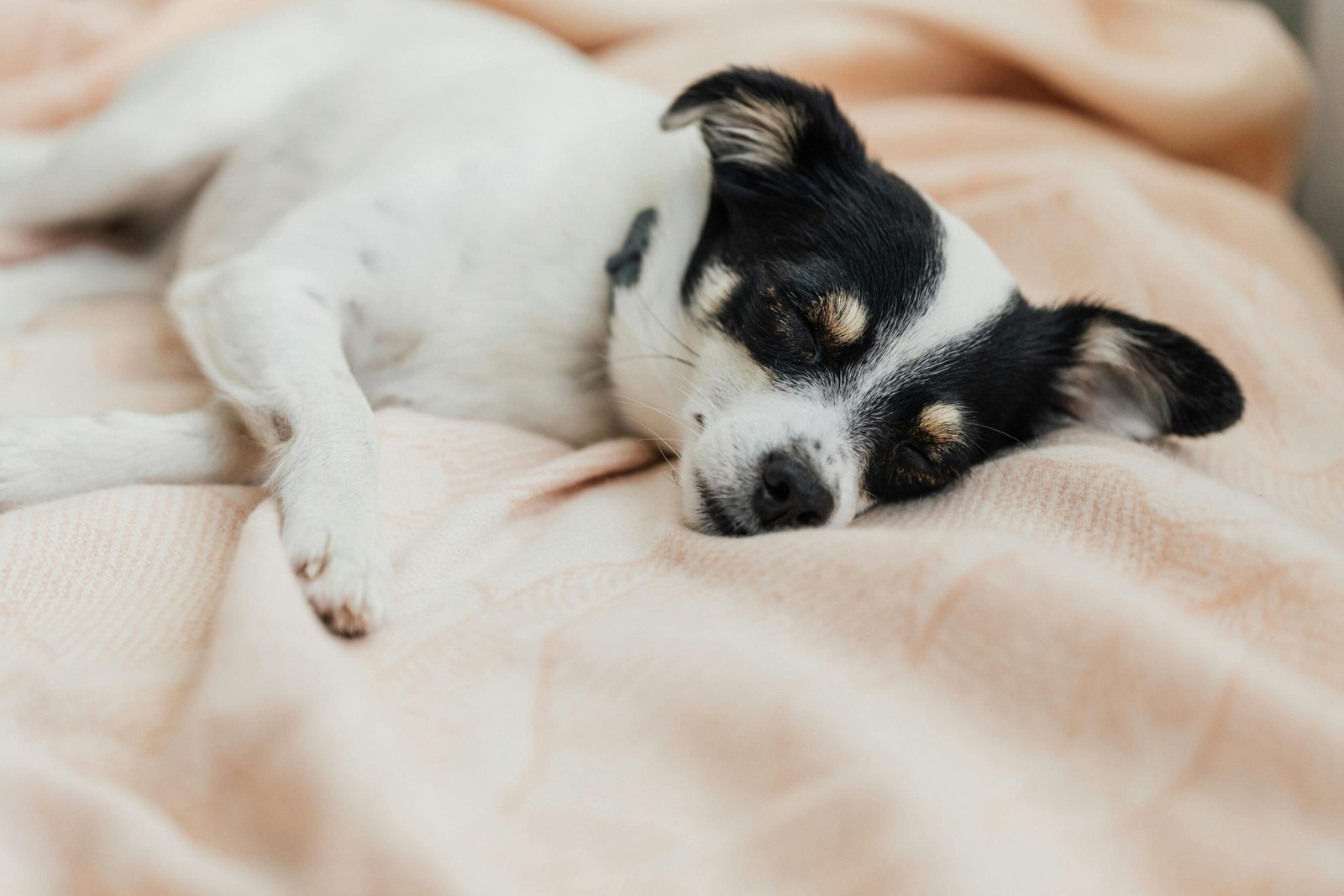
In most dogs, this tiredness is mild and passes within one to two days. Your dog may sleep more than usual, eat less, and seem less interested in playing. That is all normal. What is not normal is fatigue that lasts longer than 48 hours, or fatigue combined with other concerning symptoms.
How Long Does Post-Vaccine Tiredness Last? For most dogs, the tiredness from a rabies shot peaks within the first 12 hours and resolves within 24 to 48 hours. If your dog is still significantly lethargic after two full days, call your veterinarian. That level of fatigue is outside the expected range and may indicate a stronger reaction that needs professional evaluation.
Mild Rabies Injection Side Effects in Dogs and How Long They Last Mild rabies injection side effects in dogs are very common and affect a significant number of dogs who receive the vaccine. According to the American Veterinary Medical Association (AVMA) , most vaccine reactions in dogs are mild and self-limiting, meaning they go away on their own without any treatment.
Complete List of Mild Side Effects Fatigue and lethargy: Your dog sleeps more, moves less, and seems low in energy. This is the most common reaction and usually resolves within 24 to 48 hours.Mild fever: A slight rise in body temperature is a normal immune response. You may notice your dog feels warm to the touch or seems uncomfortable.Reduced appetite: Many dogs eat less or skip a meal on the day of vaccination. This should return to normal by the next day.Soreness at the injection site: The area where the needle was inserted may be tender, slightly swollen, or warm. Your dog may flinch if you touch it.Mild swelling at the injection site: A small firm bump may appear at the site. This is discussed in detail in the lump section below.Sneezing or mild nasal discharge: Rare but possible, especially if the vaccine is administered intranasally rather than by injection.Mild itching: Some dogs scratch or rub the injection site. Brief and minor itching is not usually a concern.Mild Side Effects: What to Expect and How Long They Last
Side Effect
When It Appears
How Long It Lasts
Action Needed
Fatigue and lethargy
Within 1 to 12 hours
24 to 48 hours
Rest and comfort. No treatment needed.
Mild fever
Within 1 to 6 hours
12 to 24 hours
Monitor temperature. Call the vet if above 104F.
Reduced appetite
Day of vaccination
Up to 24 hours
Offer food gently. No force feeding.
Injection site soreness
Within hours
2 to 3 days
Avoid pressing or rubbing the area.
Small lump at the injection site
Within 1 to 3 days
Up to several weeks
Monitor size. Call the vet if growing or painful.
Mild itching
Within hours
Up to 24 hours
Minor scratching is fine. Watch for hives.
What to Do During the Mild Reaction Period If your dog is experiencing mild side effects, the best thing you can do is offer them a quiet, comfortable resting spot, access to fresh water at all times, and gentle attention without forcing interaction. Do not give your dog any pain medication or anti-inflammatory drugs unless specifically instructed by your veterinarian. Some human medications like ibuprofen and acetaminophen are toxic to dogs.
Severe Rabies Shot Reactions: When to Go to the Emergency Vet Severe reactions to the rabies vaccine are uncommon, but they do happen. Anaphylaxis , which is a serious and fast-moving allergic reaction, is the most dangerous response a dog can have to any vaccine. Knowing the signs can save your dog’s life because anaphylaxis can become life-threatening within minutes.
Emergency Warning: If your dog shows any of the following symptoms within 30 minutes to a few hours after vaccination, go to an emergency veterinary clinic immediately. Do not wait to see if symptoms improve on their own.
Signs of a Severe Vaccine Reaction Facial swelling: Puffiness around the muzzle, eyes, or throat. This can obstruct breathing if the throat is involved.Hives: Red raised welts or bumps that appear suddenly across the skin, often on the belly or inner thighs.Vomiting or diarrhea: Sudden and repeated vomiting or loose stools within hours of the shot.Difficulty breathing: Wheezing, labored breathing, or gasping. This is a critical emergency sign.Pale or white gums: Normal gum color is pink. Pale, white, or blue gums indicate a drop in blood pressure or circulation.Sudden collapse or extreme weakness: The dog cannot stand, collapses, or loses consciousness.Rapid heart rate: The heart races or beats irregularly along with other symptoms listed here.Who Is Most at Risk for Severe Reactions? Dogs with a documented history of previous vaccine reactions are at higher risk for severe responses. Small breed dogs are more likely to experience reactions than large breeds, though severe reactions can occur in any dog of any size or breed. Dogs receiving multiple vaccines in a single visit may also face a slightly higher risk, which is why some veterinarians recommend spacing vaccines out across multiple appointments for higher-risk dogs.
If your dog has had a previous reaction, always inform your vet before every vaccination. They may recommend pre-treating with an antihistamine or keeping your dog at the clinic for a 20 to 30 minute observation period after the injection.
Side Effects of Rabies Vaccine in Small Dogs vs Large Dogs Body size plays a real role in how a dog responds to vaccines. The side effects of rabies vaccine in small dogs tend to be more noticeable and more frequent than in larger breeds. This is because small dogs receive the same vaccine dose as large dogs, but their bodies have less mass to distribute that immune stimulus across.
Why Small Dogs React More Strongly Research published in the Journal of the American Veterinary Medical Association found that body weight was significantly associated with the likelihood of a vaccine reaction, with smaller dogs showing reactions at a higher rate than larger ones. A Chihuahua receiving the same dose as a Labrador is experiencing a proportionally much larger immune challenge relative to its body mass.
Common side effects of rabies vaccine in small dogs include more pronounced lethargy, a higher chance of mild fever, and a greater likelihood of hives or facial swelling. If you own a small breed dog, plan to stay home and monitor them closely for the rest of the day after a rabies shot.
Factor
Small Dogs (under 22 lbs)
Large Dogs (over 55 lbs)
Lethargy after the shot
More pronounced, it may last for the full 48 hours
Usually mild and brief
Fever likelihood
Slightly higher
Lower
Risk of hives or swelling
Higher risk due to the dose-to-weight ratio
Lower risk
Anaphylaxis risk
Higher relative risk
Lower relative risk
Vet monitoring recommended
Yes, especially for known reactors
Standard post-visit care usually sufficient
What to Do If You Have a Small Dog Schedule your small dog’s rabies shot for a time when you can be home for the rest of the day. Ask your vet if they recommend a pre-treatment antihistamine for your specific dog. Observe your dog closely for the first two to four hours after the injection. Most serious reactions, if they are going to happen, occur within that window.
Side Effects of Rabies Vaccine in Older Dogs vs Puppies Age affects how a dog’s immune system responds to vaccination. The side effects of rabies vaccine in older dogs and the experience of puppies getting their first shot can look quite different from those of a healthy adult dog in peak condition.
Side Effects in Puppies Puppies receive their first rabies shot between 12 and 16 weeks of age. At this stage, their immune systems are still developing, and the vaccine response can be more noticeable than in adult dogs. Puppies may seem especially sleepy and uninterested in play for the first 24 hours after the shot. This level of fatigue is normal for a puppy’s first major vaccine experience.
What to watch for in puppies specifically:
Extended sleepiness: Puppies normally sleep a lot anyway, but post-vaccine sleepiness is often deeper and more prolonged.Loss of interest in food: A puppy that skips a meal after vaccination is not unusual. If the appetite does not return within 24 hours, call your vet.Crying or whimpering: The injection site may be sore. Gentle comfort is all that is needed. If crying is persistent or intense, get it checked.Side Effects of Rabies Vaccine in Older Dogs The side effects of the rabies vaccine in older dogs can be more significant for a different reason. Senior dogs often have underlying health conditions, slower immune function, or organ systems that are not as efficient as they once were. This can mean the vaccine takes more out of them, and recovery takes longer.
Senior dogs are also more likely to be on medications that could interact with post-vaccine inflammation, and their bodies may struggle to regulate fever as effectively. If your dog is over seven years of age, talk to your vet about the timing and frequency of booster vaccines. Some veterinarians recommend titer testing for senior dogs as an alternative way to assess ongoing immunity.
Age Group
Common Reactions
Recovery Time
Special Considerations
Puppy (under 1 year)
Sleepiness, reduced appetite, sore injection site
24 to 48 hours
First vaccine experience. Monitor closely.
Adult dog (1 to 7 years)
Mild lethargy, soreness, possible small lump
24 to 48 hours
Lowest risk group. Routine monitoring.
Senior dog (7 years plus)
Lethargy may be stronger, slower recovery, and possible fever
Up to 3 days
Discuss titer testing. Watch for joint flare-ups.
The Lump at the Injection Site: Normal or Not? Finding a lump under your dog’s skin after a rabies shot is one of the most alarming things a dog owner can discover. It feels worrying because lumps and cancer are closely associated in most people’s minds. But in most cases, a small lump at the injection site is a completely normal part of the healing process.
The lump is typically caused by a localized immune reaction at the site of the injection. The body sends immune cells and fluid to the area in response to the introduced vaccine material. This creates a small granuloma or inflammatory nodule. It may feel firm, pea-sized, and slightly tender to the touch. Most of these lumps resolve on their own within one to four weeks as the immune response winds down.
When to Call the Vet About the Lump Not all injection site lumps are harmless. Contact your veterinarian if the lump:
Keeps growing larger: A lump that is still expanding after the first week is not behaving normally.Has not disappeared after four to six weeks: Most normal lumps resolve within a month. Persistence beyond that is worth investigating.Becomes warm, painful, or develops discharge: These signs suggest infection at the injection site, which requires antibiotics.Feels attached to deeper tissue: A lump that seems fixed to muscle or cannot be moved at all under the skin should be examined.Rare but important: A very rare condition called injection site sarcoma can occasionally develop in dogs. It is far more common in cats than in dogs, but it does exist. Any lump that is rapidly growing, ulcerating, or has persisted for more than six weeks after a vaccine should be biopsied by a veterinarian. Do not ignore a persistent lump.
What NOT to Do After Your Dog Gets Vaccinated Most dog owners know what to do after a rabies shot. But the things you should avoid doing are just as important and far less commonly discussed. These mistakes can mask early warning signs, cause unnecessary harm, or complicate your dog’s recovery.
Common Mistakes to Avoid Do not give human pain medication: Never give your dog aspirin, ibuprofen, naproxen, or acetaminophen after a vaccine. These drugs are toxic to dogs and can cause organ damage. Only give medication that your vet has specifically prescribed.Do not bathe your dog for 24 hours: Getting the injection site wet too soon can irritate the area and potentially introduce bacteria into the puncture site.Do not take your dog to the dog park or daycare the same day: Exercise and excitement raise body temperature. Combined with the mild fever a vaccine can cause, this can push your dog’s temperature higher than is comfortable. Rest is the priority.Do not ignore early warning signs: If your dog seems fine right after the vaccine and then starts showing hives, facial swelling, or vomiting, do not wait to see if it passes. Anaphylaxis moves fast.Do not skip the vet on the day of vaccination if something seems off: If your dog was already slightly unwell when you brought them in for their shot, tell your vet before the injection is given. A dog that is sick should generally not be vaccinated that day.Do not rub or massage the injection site: This can spread the vaccine material and increase localized irritation. Leave the area alone.What Are the Long-Term Negative Side Effects of Rabies Vaccine in Dogs? This is one of the most searched questions about dog vaccines and one of the most misunderstood. The honest answer is that the scientific evidence for serious long-term harm is limited, but that does not mean the conversation should be dismissed.
What the Research Actually Shows The American Animal Hospital Association (AAHA) Canine Vaccination Guidelines acknowledge that adverse events following vaccination do occur, but that the benefits of core vaccines, including rabies, far outweigh the risks for the vast majority of dogs. The rabies vaccine is among the most thoroughly tested vaccines in veterinary medicine.
Some holistic and integrative veterinarians raise concerns about a concept called vaccinosis , which refers to a range of chronic symptoms they attribute to repeated vaccination.
Documented Longer Term Reactions Worth Knowing Injection site sarcoma: As mentioned earlier, this rare tumor can develop months after vaccination. It is more commonly associated with cats than dogs. In cats the risk is estimated at 1 in 10,000 to 30,000 vaccinations . The exact rate in dogs is considered lower, though the precise figure is not firmly established in current veterinary literature.Immune-mediated disease: There is some evidence that vaccines can trigger immune-mediated conditions in dogs. Immune-mediated hemolytic anemia has been reported in some cases following vaccination in dogs, according to a peer-reviewed study published in the Journal of Veterinary Internal Medicine .Joint inflammation: Joint inflammation is a rare but documented reaction following vaccination in dogs. A small number of cases have been reported where dogs developed joint pain and swelling within three to fifteen days of receiving a vaccine, according to a study published in Veterinary and Comparative Orthopaedics and Traumatology .Titer Testing as an Alternative for High-Risk Dogs For dogs that have had significant previous reactions or are considered high risk due to illness, age, or immune conditions, titer testing is a blood test that measures existing antibody levels against rabies. If antibody levels are sufficiently high, some veterinarians may accept this in place of a routine booster. However, this must be discussed with your vet and complies with local regulations, since rabies vaccination is legally mandated in all U.S. states.
Frequently Asked Questions
Does a rabies shot make a dog sick? A rabies shot does not cause illness, but it can cause mild temporary reactions that feel uncomfortable. These include fatigue, mild fever, reduced appetite, and injection site soreness. These reactions are a normal immune response and resolve within 24 to 48 hours. Actual illness from the vaccine is rare and requires immediate veterinary attention if symptoms are severe.
Can a dog get rabies from a dead animal? Yes, in theory, though the risk depends on how recently the animal died. The rabies virus can survive in a dead animal’s nervous tissue and saliva for a short time, particularly in cooler temperatures. If your dog bites, chews on, or mouths the carcass of an animal that died from rabies, there is a potential exposure risk. Contact your veterinarian immediately if this happens.
What are the long-term negative side effects of rabies vaccine in dogs? Long-term serious side effects from the rabies vaccine are rare. The most documented concern is injection site sarcoma, a rare tumor estimated to occur in approximately 1 in 10,000 to 30,000 injections. Some dogs with pre-existing immune conditions may experience flare-ups after vaccination. The scientific consensus from AAHA and AVMA is that the protective benefits of the rabies vaccine far outweigh these rare risks.
Can puppies have rabies? Yes, puppies can contract rabies if exposed to an infected animal before being vaccinated. Puppies are not immune to rabies at birth and have no natural protection against the virus. This is why the rabies vaccine is given at 12 to 16 weeks of age. Until then, avoid exposing your unvaccinated puppy to wildlife or unknown animals.
Do older dogs need vaccinations? Yes, older dogs still need rabies vaccinations because it is legally required in all U.S. states, regardless of age. The AAHA recommends that senior dogs continue receiving core vaccines unless a specific health condition makes vaccination risky. For elderly dogs with health concerns, discuss titer testing with your veterinarian as a way to assess immunity without automatic revaccination.
Can rabies vaccine cause diarrhea in dogs? Yes, diarrhea is a recognized but less common side effect of the rabies vaccine. It is more likely to occur as part of a moderate to severe reaction rather than a mild one. Mild diarrhea that resolves within 24 hours is generally not an emergency. Repeated vomiting or diarrhea beginning within hours of vaccination, alongside other symptoms like swelling or lethargy, warrants an urgent vet call.
Conclusion So does rabies vaccine make dogs tired? Yes, and it’s not a cause of worry at all. Fatigue, mild soreness, and a reduced appetite for a day or two are signs that your dog’s immune system is responding exactly as it should. In the vast majority of dogs, these rabies injection side effects resolve on their own without any treatment.
Here are the three most important things to remember:
Mild reactions like tiredness, low fever, and injection site soreness are expected and normal. They go away within 24 to 48 hours and do not require medication. Severe reactions, including facial swelling, hives, vomiting, difficulty breathing, or collapse, are rare but require emergency veterinary care immediately. Do not wait to see if they improve. Small dogs, puppies, and senior dogs deserve extra monitoring after a rabies shot because they are more likely to show stronger reactions and may take longer to recover. For more information on keeping your dog’s rabies vaccination schedule current and understanding the legal requirements in your state, read our complete pillar guide: How Often Do Dogs Need Rabies Shots .
Medical Disclaimer: The information in this article is for general educational purposes only and is not a substitute for professional veterinary advice, diagnosis, or treatment. If your dog shows any concerning symptoms after receiving a rabies vaccine, contact your veterinarian immediately.
Muhammad Saad writes about pet nutrition and safety at Petscriz, researching each topic against peer-reviewed and veterinary sources. Firsthand animal care experience includes freshwater fish, rabbits, cats, parrots, and chicks; dog-related content is compiled from cited research rather than personal ownership, and is flagged accordingly throughout the site.