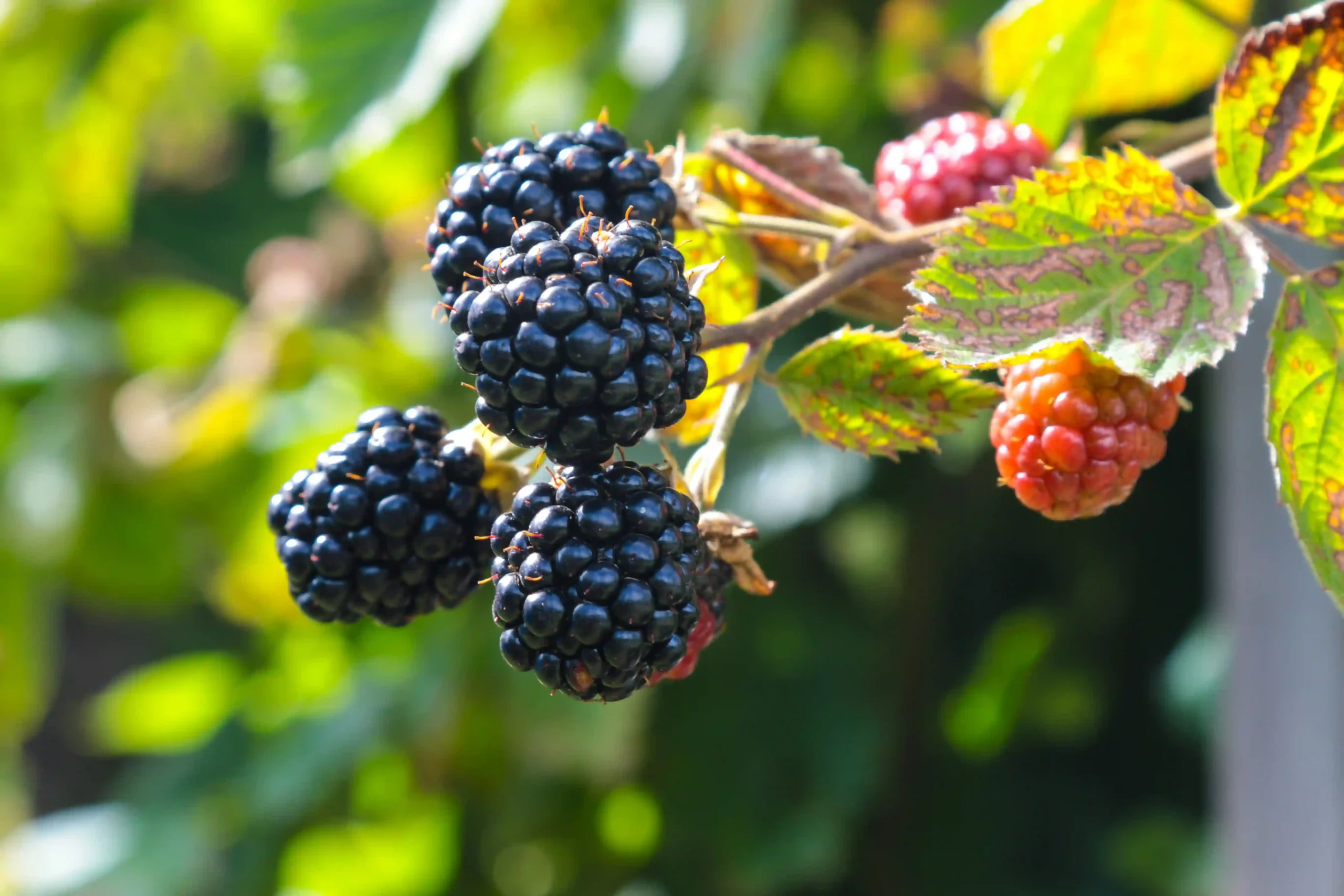
1. Are Blackberries Safe for Dogs?
Video credit: Pet Circle channel via YouTube. A veterinarian’s guide on blackberries for dogs.
Yes, blackberries are completely safe for dogs. They are not on the ASPCA’s list of toxic foods for dogs, they contain no pits or seeds large enough to cause harm, and their soft texture makes them easy to chew for dogs of all sizes.
The American Kennel Club confirms that blackberries are among the berry options that are safe to share with your dog as an occasional treat. Veterinarians widely regard them as one of the better fruit choices because they are lower in sugar than most other fruits and higher in fibre.
That said, safe does not mean unlimited. Like any food outside your dog’s regular diet, blackberries should be given in the right amounts and in the right form.
A Note on the Small Amount of Natural Xylitol in Blackberries You may have read online that blackberries contain trace amounts of naturally occurring xylitol — a compound that is extremely toxic to dogs in synthetic form (as found in sugar-free gum and some baked goods). Here is the important distinction: the naturally occurring xylitol in whole blackberries is present in such tiny amounts that it poses no realistic risk to dogs at normal treat portions. Veterinary toxicologists have confirmed this, and blackberries are not classified as a xylitol-risk food by any major veterinary authority.
So yes, fresh blackberries are safe. Just keep the portions sensible.
Are Blackberries Safe for All Breeds? Blackberries are safe for all breeds. The serving size changes depending on your dog’s body weight, but there is no breed that is specifically sensitive to blackberries. Very small toy breeds should have their berries cut in half to reduce any choking risk, but otherwise, all dogs can enjoy them.
2. Are Blackberries Good for Dogs? The Real Health Benefits Blackberries are genuinely good for dogs. They are one of the most nutrient-dense fruits you can offer, packing a remarkable number of beneficial compounds into a very low-calorie package.
Nutritional Profile of Blackberries According to USDA FoodData Central , 100 grams of fresh blackberries contain:
Nutrient
Amount per 100g
Calories
43 kcal
Carbohydrates
9.6 g
Natural sugar
6.52 g
Dietary fibre
5.3 g
Vitamin C
15.4 mg
Vitamin K
19.8 mcg
Vitamin A
214 IU
Manganese
0.885 mg
Folate
25 mcg
Anthocyanins
100-138 mg per 100g fresh weight
At only 43 calories per 100 grams and with nearly twice the fibre of blueberries, blackberries are one of the lowest-calorie, highest-fibre fruits you can give your dog.
Anthocyanins: The Standout Compound The deep dark colour of blackberries is not just pretty, it signals an exceptionally high concentration of anthocyanins . These are the flavonoid compounds responsible for most of the health benefits associated with dark berries.
Research published in the Journal of Agricultural and Food Chemistry (2004) measured total anthocyanins across 11 blackberry cultivars and found a range of 131 to 256 mg per 100g of fresh fruit — placing blackberries consistently above blueberries, strawberries, and raspberries as one of the richest natural anthocyanin sources available.
For dogs, this matters because chronic low-grade inflammation is behind many of the most common health problems they face — joint disease, cognitive decline, skin conditions, and certain cancers.
Ellagic Acid: A Compound Most Pet Sites Never Mention Blackberries contain approximately 30-55 milligrams of ellagic acid per 100 grams of fresh weight. Ellagic acid is a polyphenol with a growing body of research behind it. Studies published in journals including Cancer Letters and the European Journal of Cancer Prevention have found that ellagic acid can interact with cellular metabolic pathways involved in uncontrolled cell growth.
It is one of the reasons many integrative veterinarians include dark berries in dietary recommendations for older dogs or dogs with chronic health challenges.
Quercetin: Anti-Inflammatory and Antioxidant Quercetin is a flavonoid found across all berries, but in higher concentrations in darker ones like blackberries. It functions as both an antioxidant and an anti-inflammatory agent. Research in veterinary medicine has explored quercetin as a supplement for dogs with allergies and inflammatory conditions.
Getting quercetin from a whole food source like blackberries means your dog also benefits from the fibre, vitamins, and other compounds that a supplement alone would not provide.
Fibre: The Underrated Benefit At 5.3 grams of fibre per 100 grams , blackberries contain significantly more fibre than most other fruits safe for dogs. For context, blueberries have 1 gram , and strawberries have 0.6 grams per 100 grams . This fibre content supports healthy gut bacteria, regular bowel movements, and stable blood sugar levels after eating.
Vitamin K for Bone Health Blackberries provide 19.8 mcg of Vitamin K per 100 grams . Vitamin K plays a critical role in bone metabolism — it helps the body use calcium properly and supports the proteins involved in building and maintaining bone density. For senior dogs who are more vulnerable to bone loss and joint deterioration, this is a genuinely useful dietary contribution.
Vitamin C for Immune Support While dogs can produce their own Vitamin C, additional dietary sources can support immune function during periods of stress, illness, or heavy exercise. Blackberries offer 21 mg of Vitamin C per 100 grams , making them a useful supplementary source.
Brain Health and Cognitive Support The polyphenolic compounds in dark berries, including anthocyanins and quercetin, have been studied for their role in neuroprotection . Research led by Barbara Shukitt-Hale at the USDA Human Nutrition Research Center on Aging has consistently shown that berry supplementation can reduce oxidative stress in the brain and support cognitive function in ageing subjects.
For dogs, Canine Cognitive Dysfunction (CCD) is a real and common condition in senior animals. While blackberries are not a treatment for CCD, including antioxidant-rich dark berries in a senior dog’s diet is a rational, evidence-informed dietary strategy.
3. How Many Blackberries Can a Dog Eat? Guidelines for feeding blackberries to dogs based on their size and nutritional needs The 10% rule applies to blackberries just as it does to all dog treats: treats should make up no more than 10% of your dog’s total daily calorie intake. Because blackberries are so low in calories — about 43 calories per 100 grams, or roughly 1 calorie per berry, they offer a lot of flexibility.
Dog Size
Weight
Approx. Daily Calories
Max Blackberries Per Day
Extra Small
Under 5 kg
200 to 350 kcal
2 to 3 berries
Small
5 to 10 kg
350 to 500 kcal
3 to 5 berries
Medium
10 to 25 kg
500 to 900 kcal
5 to 8 berries
Large
25 to 40 kg
900 to 1,400 kcal
8 to 12 berries
Extra Large
Over 40 kg
1,400+ kcal
12 to 15 berries
You do not need to feed blackberries every day for your dog to benefit from them. Three to four times per week is plenty. Rotate them with other safe berries like blueberries , strawberries , and raspberries to give your dog a wider range of beneficial compounds.
Can dogs eat rasberries too? Yes, raspberries are also safe for dogs in small amounts. Like blackberries, they are low in calories, high in fiber, and contain beneficial antioxidants. However, raspberries naturally contain slightly higher levels of xylitol than blackberries, so portions should be kept small. Every dog is different; first consult with a licensed vet, then introduce slowly and observe the dog.
Find Your Dog’s Exact Blackberry Serving Size The table above gives a general guide by size category. But every dog is different, a 4 kg Chihuahua and a 4.9 kg dog both fall into the same size category, but may need slightly different amounts. Use our free calculator below to get a more precise serving size based on your dog’s exact weight, plus personalized frequency advice based on their health condition:
🥇 Blackberry Serving Size Calculator for Dogs Enter your dog’s exact weight for a precise daily blackberry serving based on the 10% calorie rule
Dog’s health condition (optional)
Healthy adult dog Senior dog (7+ years) Overweight dog Diabetic dog Dog with allergies Dog with joint disease Dog recovering from illness Puppy (under 12 months)
Calculate Safe Blackberry Amount Medium dog
🥇 Blackberries — safe daily maximum
—
berries per day
📈 Calorie breakdown
—
📅 Recommended weekly frequency
—
⚠️
Safe feeding reminders ✓ Always serve fresh, washed, and plain blackberries
✓ Start with 1 to 2 berries the very first time
✓ Cut berries in half for small and toy breeds
✓ Never serve canned, syrup, or sugared blackberries
✓ Frozen blackberries are fine — great as a summer treat
✓ Stop immediately if vomiting or diarrhea occurs
This calculator is a general guide only. Always consult your veterinarian for personalised advice.
How to Prepare Blackberries for Your Dog Wash thoroughly Wash them thoroughly. Even organic berries can carry pesticide residue or surface bacteria. Rinse under cool running water before serving.
remove the unwanted parts Remove the stems and leaves of blackberries, as they can cause digestive distress or choking.
cut the berries appropriate to your dog size Cut or mash for small breeds. For dogs under 5 kg, or dogs that eat quickly without chewing, cut berries in half or mash lightly.
serve fresh blackberries Serve fresh and plain. No sugar, no syrup, no honey, no cream --- just the berry. Frozen blackberries also make an excellent summer treat, and most dogs love the cold, crunchy texture. Let them thaw slightly for very small dogs.
closely monitor your dog Start with 1 to 2 berries. The first time you introduce blackberries, offer just one or two and wait 24 hours before giving more.
Can You Add Blackberries to Dog Food? Yes. A simple and effective way to serve blackberries is to mash two or three berries and stir them into your dog's regular food. This is particularly useful for fussy eaters or dogs recovering from illness who need an appetite boost.
4. Can Dogs Eat Wild Blackberries? Yes, wild blackberries are generally safe for dogs, but you need to be careful about where and how you pick them. The blackberry plant itself (Rubus genus) is not toxic to dogs. Wild blackberries are the same species as cultivated ones and carry the same nutritional profile.
However, there are three real risks with wild blackberries that you should know about:
Risk 1: Pesticide and Herbicide Contamination Wild blackberry bushes growing near farmland, roadsides, or railway lines may have been sprayed with herbicides or pesticides. These chemical residues can be harmful to dogs, especially since dogs are much smaller than humans and more sensitive to toxic compounds per unit of body weight. Only pick from locations well away from roads, farmland, and any areas that might be treated with chemicals.
Risk 2: Confusion with Toxic Look-Alikes This is the most important risk to understand. Some wild berries look similar to blackberries but are toxic. The most dangerous examples include:
Deadly nightshade (Atropa belladonna): Small, shiny, dark berries that can be mistaken for blackberries. Highly toxic to dogs and humans alike.Pokeweed (Phytolacca americana): Dark purple-black berries in clusters that can resemble blackberries. Toxic to dogs, causing vomiting, diarrhoea, and potentially seizures.Privet berries (Ligustrum): Small, dark berries found on common garden hedges. Toxic to dogs.If you cannot positively identify a berry as a true blackberry (Rubus genus), do not let your dog eat it. True blackberries grow on thorny canes, have a distinctive compound structure of small drupelets clustered together, and ripen from green to red to deep black-purple.
Risk 3: Blackberry Bush Thorns Blackberry canes are covered in sharp thorns. Dogs who try to eat directly from the bush can scratch their mouth, gums, or tongue. Always pick the berries yourself and offer them to your dog by hand or in their bowl, never let them graze directly from a wild bush.
Are Blackberry Bushes Poisonous to Dogs? The blackberry bush itself --- the leaves, stems, and unripe berries is not classified as toxic to dogs by the ASPCA or any major veterinary authority. However, the thorns present a physical injury risk, and unripe green berries can cause stomach upset due to their higher tannin content. Stick to ripe, dark berries and keep your dog away from the canes themselves.
5. Which Berries Are Toxic to Dogs? Berries that are unsafe or harmful for dogs to eat Not all berries are safe for dogs. This is one of the most important things every dog owner should know, especially if you have a garden or take your dog on walks through areas with wild plants.
Berry
Danger Level
What It Can Cause
Grapes and raisins
Extremely High
Acute kidney failure --- no safe amount exists
Holly berries
High
Vomiting, diarrhoea, lethargy, drooling
Mistletoe berries
High
Heart problems, severe gastrointestinal distress
Nightshade (Atropa belladonna)
High
Neurological symptoms, seizures, can be fatal
Pokeweed berries
High
Vomiting, diarrhoea, respiratory distress, potentially fatal
Juniper berries
Moderate to High
Kidney irritation, vomiting, abdominal pain
Bittersweet berries
High
Gastrointestinal and neurological symptoms
Privet berries
Moderate to High
Vomiting, diarrhoea, weakness
Yew berries
Extremely High
Cardiac arrest --- can be fatal within hours
Grapes: The Most Dangerous of All Grapes and raisins deserve special mention. Cornell University's Riney Canine Health Center confirms that the exact toxic dose is unknown and unpredictable --- meaning some dogs have become critically ill after eating just a few grapes, while others have eaten more with no immediate effect. Kidney failure can develop within 24 to 72 hours of ingestion.
If your dog eats any grapes, raisins, sultanas, or currants, even one --- contact your vet immediately.
ASPCA Animal Poison Control Center: 888-426-4435 (a consultation fee applies)
6. What Fruits Can Dogs Have And What To Avoid Several common fruits are dangerous for dogs, and some can cause serious harm or death. Here is a complete reference so you always know what is safe to share and what to keep out of reach.
Fruits Dogs Can Eat Safely Fruit
Safe?
Notes
Blackberries
Yes
Wash well; small portions
Blueberries
Yes
One of the best options
Strawberries
Yes
Remove stem and leaves
Raspberries
Yes
Fine in small amounts
Watermelon
Yes
Remove seeds and rind
Apple
Yes
Remove seeds and core ---contains cyanide compounds
Banana
Yes
High in sugar; small amounts only
Mango
Yes
Remove pit and peel
Pineapple
Yes
Remove skin and core; flesh only
Peaches
Yes
Remove pit --- contains cyanide
Pears
Yes
Remove seeds and core
Cranberries
Yes
Very tart; small amounts only
Fruits Dogs Cannot Have Fruit
Safe?
Why It Is Dangerous
Grapes and raisins
Never
Acute kidney failure; unpredictable dose
Cherries
No
Pits, leaves, and stems contain cyanide
Avocado
No
Persin causes vomiting, diarrhoea, and heart problems
Lemons and limes
No
Concentrated citric acid causes GI distress and neurological effects
Grapefruit
No
High citric acid and essential oils toxic to dogs
Figs
Caution
Can cause skin irritation and GI upset in some dogs
Tomatoes (unripe)
Caution
Solanine in green parts is toxic; ripe flesh is generally fine in small amounts
Why Do Some Fruits Cause Such Serious Harm? The reason some fruits are so dangerous comes down to specific toxic compounds that dogs cannot process. Dogs lack the same detoxification enzymes that humans have for certain organic acids and plant compounds. Tartaric acid in grapes, persin in avocado, and cyanogenic glycosides in fruit seeds all fall into this category --- compounds harmless to humans in normal amounts but genuinely dangerous to dogs. Understanding which fruits contain these compounds and which are completely safe is something we cover in full detail in our guide on what fruit can dogs eat .
7. Frequently Asked Questions
Can dogs eat blackberries? Yes, dogs can eat blackberries safely. They are non-toxic, low in sugar, and high in beneficial antioxidants, including anthocyanins and ellagic acid. Serve them fresh, washed, and plain. Small dogs can have 2 to 3 berries, medium dogs 5 to 8, and large dogs up to 12 per day. Always start with one or two the first time.
Which berries are toxic to dogs? Grapes and raisins are the most dangerous as they can cause acute kidney failure with an unpredictable dose. Holly berries, mistletoe berries, nightshade berries, pokeweed berries, yew berries, juniper berries, and bittersweet berries are also toxic. Wild berries in general should only be given if you can positively identify them as safe species like blackberries or blueberries.
Are blackberries good for dogs? Yes, blackberries are genuinely good for dogs. They are packed with anthocyanins, ellagic acid, and quercetin --- compounds with documented anti-inflammatory and antioxidant properties. They are also high in fibre (5.3g per 100g), low in sugar (4.9g per 100g), and provide meaningful amounts of Vitamin K, Vitamin C, and manganese.
What fruits can dogs not have? Dogs should never eat grapes, raisins, sultanas, or currants --- they cause kidney failure. Cherries, avocado, lemons, limes, and grapefruit are also unsafe. Unripe tomatoes, figs, and large amounts of citrus fruits should be avoided. Always remove seeds from apples and pears before serving, as the seeds contain cyanide compounds.
Why do dogs not like blackberries? Some dogs simply do not enjoy the taste of blackberries, and that is completely normal. Blackberries have a slightly tart, earthy flavour that not every dog finds appealing. Dogs have far fewer taste receptors than humans --- about 1,700 compared to our 9,000, and their flavour preferences vary widely by individual. If your dog turns their nose up at a blackberry, try mashing it into their regular food, or try a different berry like blueberries.
Are blackberry bushes poisonous to dogs? Blackberry bushes (Rubus genus) are not classified as toxic to dogs by the ASPCA or mainstream veterinary authorities. However, the thorns on the canes can cause cuts and scratches to your dog's mouth and gums. Unripe green berries may also cause stomach upset. Always pick ripe berries yourself and serve them in a bowl.
Can dogs eat wild blackberries? Yes, wild blackberries are safe for dogs if you can positively identify them as true blackberries (Rubus genus) and they have not been sprayed with pesticides or herbicides. The risk with wild berries is confusion with toxic look-alikes such as nightshade or pokeweed. Only pick wild blackberries from areas well away from roads, farmland, and treated land.
How many blackberries can I give my dog per day? Use the 10% rule: treats should not exceed 10% of your dog's daily calorie intake. Since each blackberry contains roughly 1 calorie, a small dog (under 10 kg) can have 3 to 5 berries, a medium dog (10 to 25 kg) can have 5 to 8, and a large dog (over 25 kg) can have up to 12. You do not need to feed blackberries every day --- three or four times a week is plenty.
8. Conclusion So, can dogs eat blackberries? Absolutely yes. With their exceptional levels of anthocyanins, ellagic acid, quercetin, fibre, and essential vitamins, blackberries are one of the most nutritionally valuable fruit treats you can share with your dog. They are low in calories, low in sugar, and backed by genuine science.
Three things to remember:
Always serve fresh, washed, and plain --- no added sugar, no syrups, no blended human recipesKeep portions within the 10% rule --- 3 to 5 berries for small dogs, up to 12 for large dogsBe careful with wild berries --- only offer them if you can positively identify them as true blackberries, away from treated landThis article is for informational purposes only and does not replace professional veterinary advice. If your dog has a health condition or you are unsure about introducing new foods, always consult your veterinarian first.
Muhammad Saad writes about pet nutrition and safety at Petscriz, researching each topic against peer-reviewed and veterinary sources. Firsthand animal care experience includes freshwater fish, rabbits, cats, parrots, and chicks; dog-related content is compiled from cited research rather than personal ownership, and is flagged accordingly throughout the site.