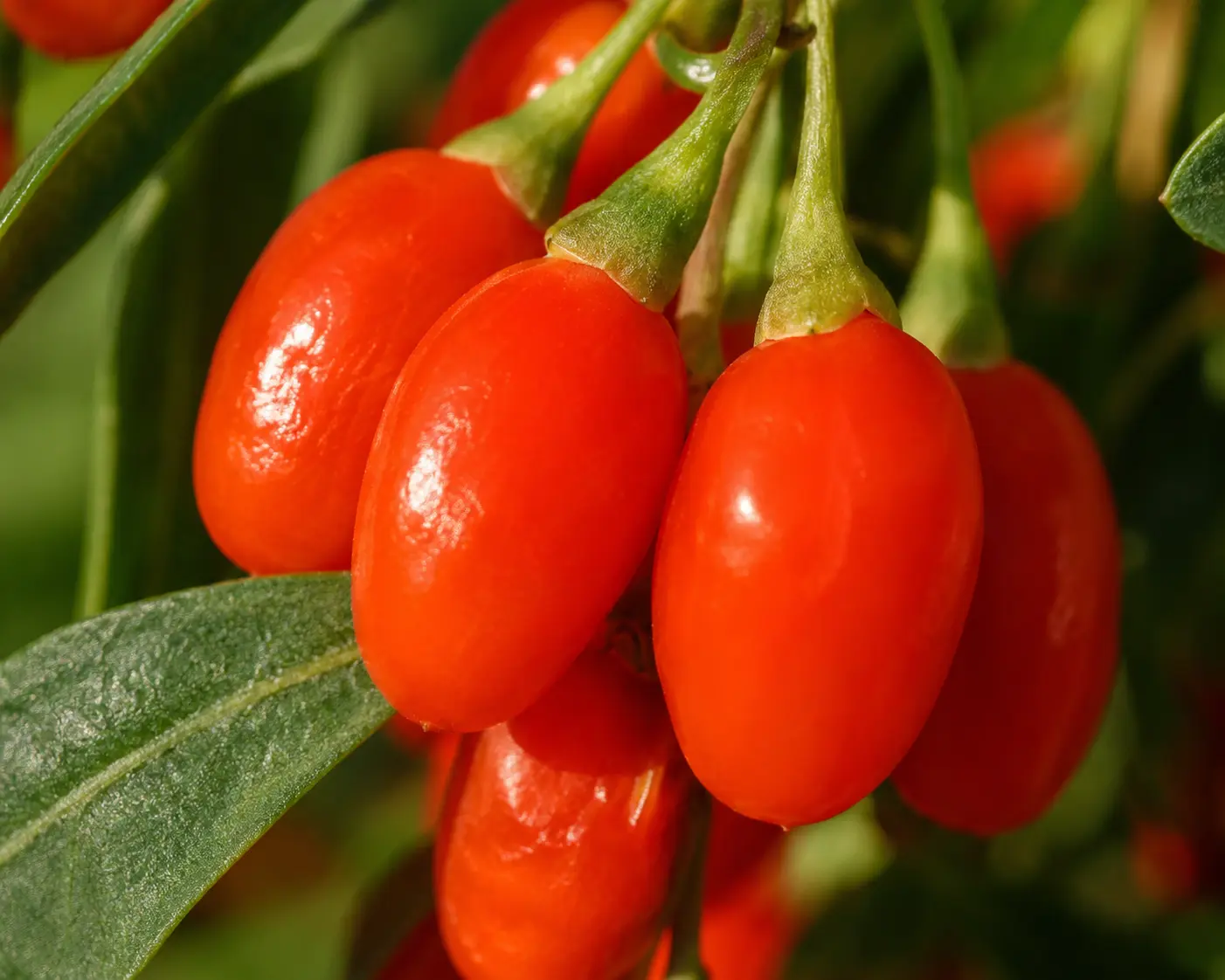
1. What Are Goji Berries and Why Do People Call Them a Superfood? Nutritional breakdown of goji berries per 28g serving, based on Healthline Nutrition data. Goji berries, also widely known as wolfberries, are small, bright red fruits native to Asia, particularly China, Mongolia, and the Himalayan region. Their scientific name is Lycium barbarum, and they belong to the same plant family as tomatoes and peppers. For close to two thousand years, people in East Asia have used goji berries as both a food and a traditional medicine.
Nutritional Profile of Goji Berries According to Healthline Nutrition, a small 28-gram (one-ounce) serving of dried goji berries contains:
Nutrient
Amount per 28g (1 oz)
Calories
About 98
Protein
4 grams (unusually high for a fruit)
Fat
Less than 1 gram
Carbohydrates
22 grams
Fiber
3.6 grams
Vitamin A
250% of the daily human requirement
Vitamin C
15% of the daily human requirement
Iron
11% of the daily human requirement
Zinc
5% of the daily human requirement
They also contain significant levels of selenium, copper, calcium, riboflavin (Vitamin B2), and potassium. On top of all that, goji berries are loaded with powerful antioxidants, especially zeaxanthin, which is known for protecting eyesight.
Where Do Most Goji Berries Come From? The vast majority of goji berries sold worldwide are grown and exported from China. This matters for dog owners because goji berries imported from China can sometimes carry higher levels of pesticide and fungicide residue. This is one reason washing fresh berries thoroughly before giving them to your dog is not just a suggestion — it is a necessity.
2. Are Goji Berries Safe for Dogs? The Honest Answer Yes, goji berries are safe for dogs to eat in moderation. They are not toxic to dogs and do not contain any known compounds that cause poisoning the way grapes, raisins, or xylitol do. Goji berries do not appear on the ASPCA’s toxic plant list , and none of the major veterinary poison-control databases list them as a toxic food for dogs. That said, the absence of a toxicity listing isn’t the same as a formal safety study, it means no cases of goji berry poisoning have been documented, not that canine-specific research exists confirming safety at every dose.
Treat goji berries the way you would any “generally safe, not clinically studied in dogs” food: fine in moderation, with real caution around the medication interactions covered below.
However, “safe” does not mean “eat as many as you want.” Like most fruits, goji berries contain natural sugar and fiber. Feed too many at once, and your dog will likely experience a very unpleasant night of digestive upset. The key word is always moderation.
What We Know, And What We Don’t Most “goji berries for dogs” articles online repeat the same general claims about antioxidants and eye health, mostly extrapolated from human or general-animal research. There is currently no canine-specific clinical study on goji berry safety or dosage. This article is built from the closest verifiable evidence available: peer-reviewed case reports, general veterinary nutrition principles, and toxicology data clearly labeled below where it’s extrapolated rather than dog-specific.
What About the Confusion Around Wolfberries Being Toxic? You may have seen older sources or forum posts claiming that wolfberries appear on toxic plant lists. This confusion largely stems from the fact that other members of the Lycium plant family, specifically certain wild species with similar-looking berries, can indeed be harmful. The cultivated goji berry (Lycium barbarum) sold in stores is a different story. When in doubt, always stick to store-bought, clearly labeled goji berries and avoid letting your dog munch on unknown plants in the garden or yard.
Dogs Who Should Avoid Goji Berries Certain dogs should only have goji berries with veterinary approval — see full list above. While goji berries are generally safe, certain dogs should not have them without a vet’s approval:
Dogs on blood pressure medication: Goji berries can have a mild blood-pressure-lowering effect. If your dog already takes antihypertensive drugs, adding goji berries could lower their pressure too far.Dogs on blood thinners (anticoagulants): Goji berries may thin the blood further, increasing bleeding risk.Diabetic dogs: Goji berries contain natural sugars that can affect blood glucose levels. Diabetic dogs should only eat them under direct veterinary supervision.Pregnant or nursing dogs: There is not enough research on how goji berries affect pregnant or nursing dogs, so it is safer to avoid them until after the pregnancy.Dogs with known food allergies: A small number of dogs may have an allergic reaction to goji berries. Start with one berry and watch carefully.3. Real Health Benefits of Goji Berries for Dogs Potential benefits of goji berries for dogs — see the full research context above, including what’s dog-specific vs. extrapolated from human studies. When given appropriately, goji berries offer some genuinely useful nutritional support for dogs. Here is a deeper look at the real benefits.
Antioxidant Support and Immune Health Goji berries are one of the richest antioxidant foods on earth. The zeaxanthin in goji berries helps neutralize free radicals — unstable molecules that damage healthy cells over time. For dogs, this matters a lot. Oxidative stress plays a role in aging, cancer risk, arthritis, and immune system decline, especially in senior dogs.
Selenium, another antioxidant compound found in goji berries, supports overall cellular health and helps reduce oxidative stress throughout the body. Some veterinary nutritionists include it in discussions of managing chronic conditions such as heart disease and skin problems.
Eye Health and Vision Support The zeaxanthin content in goji berries is particularly valuable for protecting the eyes. This antioxidant naturally accumulates in the retina and helps filter out damaging UV light and blue light. For older dogs whose eyesight may be declining, a small regular serving of goji berries could offer meaningful support though they are not a cure for any eye condition.
Bone, Muscle, and Nerve Health Goji berries contain calcium, phosphorus, and protein — three nutrients that directly support healthy bones, strong muscles, and a well-functioning nervous system. This combination is especially worth noting for large-breed dogs, working dogs, and senior dogs who need extra support in these areas.
Immune System Boost Vitamins A, C, and E work together in goji berries to stimulate immune function. Vitamin A supports the integrity of mucous membranes — your dog’s first line of defense against pathogens. Vitamin C acts as a direct antioxidant. Vitamin E helps regulate immune cell activity. Together, they can give your dog’s immune system a genuine boost.
Zinc for Healing and Cell Repair Zinc is essential for wound healing and cell replication. Dogs recover from cuts, infections, and surgeries faster when they have adequate zinc levels. Goji berries are a decent natural source of zinc, making them a practical supplement for dogs who need a healing boost.
4. Risks and Side Effects: When Goji Berries Can Cause Problems Six things to watch for when feeding goji berries to dogs — see the medication interaction research above for full citations. Knowing the risks is just as important as knowing the benefits. Here is what can genuinely go wrong if goji berries are not given carefully.
Digestive Upset from Too Much Fiber Goji berries are high in fiber. That is great for healthy digestion in small amounts, but too many berries at once will overwhelm your dog’s gut. The result is typically loose stools, diarrhea, gas, or vomiting. If your dog has already eaten a high-fiber meal that day, do not add goji berries on top of it.
Natural Sugar and Weight Gain Goji berries contain more natural sugar than many dog owners realize. For healthy dogs, this is usually fine in small quantities. But for overweight dogs or those prone to weight gain, the extra sugar calories add up. Over time, too much sugar in a dog’s diet contributes to obesity, dental decay, and long-term metabolic issues.
Pesticide Residue Risk Many goji berries come from farms in China where pesticide use can be heavy. Always wash fresh berries under running water before serving them to your dog. If possible, choose organic goji berries to reduce exposure to chemical residues.
Choking Hazard for Small Dogs Dried goji berries are sticky and chewy. For small dog breeds, they can get stuck between teeth or even pose a mild choking risk if swallowed whole. Chopping dried goji berries into smaller pieces before serving is a smart habit, especially for tiny breeds like Chihuahuas or Toy Poodles.
Allergic Reactions While rare, some dogs do develop sensitivities to goji berries. Signs of an allergic reaction to watch for include:
Itching, hives, or skin redness Swelling around the face or muzzle Vomiting or diarrhea shortly after eating Excessive licking of the paws If you notice any of these signs after your dog eats goji berries, stop offering them immediately and call your vet.
Goji Berries and Medication Interactions: What the Research Shows A 2012 case report published in the journal Pharmacotherapy documented a patient hospitalized with dangerous bleeding after goji juice intensified the effect of warfarin, a blood-thinning medication. Several similar case reports followed, including a 2021 case involving the heart medication flecainide . The likely mechanism: goji berries inhibit liver enzymes (CYP2D6 and CYP2C9) that the body uses to metabolize these drugs. All of these findings are from human patients — no dog-specific study has tested this interaction but because dogs rely on the same enzyme pathways to process similar medications, this is a real reason to check with your vet before feeding goji berries to a dog on blood thinners, anti-arrhythmics, or other CYP-metabolized drugs, not just a theoretical caution.
A Quick Note on Sizing: Smaller dogs are more sensitive to all of these risks simply due to body weight. A reaction that’s mild in a 70-pound Labrador can be far more serious in a 6-pound Chihuahua. Always start at the lowest end of the serving range in our table below if you have a toy or small breed, regardless of how healthy they otherwise are.
5. Can Dogs Have Goji Berry Powder? What You Should Know Yes, dogs can have goji berry powder, but you need to be very careful about the product you choose. Goji berry powder is simply goji berries that have been dehydrated and ground into a fine powder. In theory, it carries the same nutrients and the same risks as whole berries, just in a concentrated form.
The Problem with Goji Berry Powder The concentration factor is the main concern. Because the powder is more concentrated than whole berries, it is much easier to accidentally give your dog too much. A small pinch goes a long way. There is also the ingredient list to worry about. Many commercial goji berry powders sold for humans contain added sugars, artificial flavors, or other additives that are not safe for dogs.
How to Use Goji Berry Powder Safely for Dogs choose pure product Choose a plain, pure product with no added sugar, preservatives, or other ingredients.
start with the safest amount Start with the smallest possible amount — literally a tiny pinch sprinkled over food.
closely monitor your Dog’s behaviour Watch for any reaction over the following 24 to 48 hours.
consult vet Ask your vet first, especially if your dog takes any medication or has a health condition.
Choosing a Safe organic Goji Berry Powder for Your Dog If your dog is more of a “mix it into dinner” type rather than a snack-by-hand type, powder is often the easiest way to add goji berries to their routine. But not all goji powders on the shelf are created equal — some are bulked up with added sugar, flavoring, or fillers that have no business being anywhere near your dog’s bowl.
Here’s what we personally look for before buying:
Single ingredient only : The label should say “goji berries,” nothing elseCertified organic : Reduces pesticide exposure, which matters more for smaller dogsNo added sugar or sweeteners : This includes natural-sounding ones like cane juice or honey powderFine, consistent texture : Easier to mix evenly into wet or dry food without clumpingOne option that checks all these boxes is organic goji berry powder , a 100% pure organic goji berry powder with no fillers or additives — just freeze-dried berries ground down to a fine powder. A little goes a long way, so a single bag tends to last several months even with daily use.
If you’d rather skip the powder altogether and stick with whole dried berries, scroll back up to our recommendation in the section above — both work well, it really just comes down to your dog’s preference and how you like to serve meals.
6. How to Safely Feed Goji Berries to Your Dog Serving goji berries correctly is simple once you know the rules. Here is a step-by-step approach.
Step 1: Choose the Right Type You can give your dog fresh goji berries or dried goji berries. Both are acceptable. Avoid:
Goji berry juice (often loaded with added sugar) Goji berry products sweetened with artificial sweeteners (especially xylitol, which is highly toxic to dogs) Goji berry supplements mixed with other herbs unless specifically formulated and approved for dogs Step 2: Wash Thoroughly If using fresh berries, rinse them well under cool running water to remove any pesticide residue, dirt, or surface bacteria.
Step 3: Remove Stems If the berries still have their small stems attached, remove them before serving.
Step 4: Follow Safe Serving Sizes Dog Size
Approximate Weight
Recommended Serving
Toy / Extra Small
Under 10 lbs
1 to 2 berries — 2 to 3 times per week
Small
10 to 22 lbs
3 to 5 berries — 2 to 3 times per week
Medium
22 to 55 lbs
5 to 8 berries — 2 to 3 times per week
Large
55 to 90 lbs
8 to 10 berries — 2 to 3 times per week
Giant
Over 90 lbs
Up to 15 berries — 2 to 3 times per week
How Much Goji Berries Can I Give My Dog Use our calculator below to find the exact safe amount for your dog’s weight and health condition:
🍒 Goji Berry Serving Size Calculator for Dogs Enter your dog’s exact weight for a precise daily serving based on the 10% calorie rule
Dog’s health condition (optional)
Healthy adult dog Senior dog (7+ years) Overweight dog Diabetic dog Dog on blood pressure medication Dog on blood thinners Dog with allergies Pregnant or nursing dog Dog recovering from illness Puppy (under 12 months)
Calculate Safe Goji Berry Amount 🍒 Fresh goji berries
—
maximum per day
🌶 Dried goji berries
—
maximum per day
📈 Calorie breakdown
—
📅 Recommended weekly frequency
—
⚠️
🛑
Safe feeding reminders ✓ Always start with just 1 berry the very first time
✓ Dried berries are more concentrated — always give less than fresh
✓ Wash fresh berries thoroughly to remove pesticide residue
✓ Avoid goji berry juice — often contains added sugar
✓ Never use products containing xylitol
✓ Stop immediately if vomiting, diarrhea, or lethargy occurs
This calculator is a general guide only. Always consult your veterinarian for personalised advice especially if your dog takes medication.
Step 5: Introduce Slowly The first time you give your dog goji berries, offer just one or two. Wait 24 hours. Watch for any signs of digestive upset or allergic reaction. If everything looks normal, you can gradually increase to the appropriate serving size over the following week.
Step 6: Mix Into Food or Serve as a Snack Goji berries can be mixed into your dog’s regular kibble, served as a standalone treat, or incorporated into homemade dog treats. If using dried berries for small dogs, chop them into smaller pieces first.
A Simple, Safe Goji Berry Treat Recipe for Dogs If you want to do something a little more special than tossing a few berries in the bowl, this simple recipe is a vet-conscious way to work goji berries into a homemade treat. It uses no added sugar, no xylitol, and no risky ingredients — just whole food your dog can actually benefit from.
You’ll need:
1 cup rolled oats (plain, gluten-free if your dog is sensitive) 1/2 cup plain pumpkin puree (not pie filling) 2 tablespoons dried goji berries, chopped finely 1 tablespoon natural peanut butter (xylitol-free — always double-check the label) 2 tablespoons water, as needed Instructions:
Mix the oats, pumpkin, dog-safe peanut butter (salt- and xylitol-free ), and chopped goji berries together in a bowl. Add water a little at a time until the mixture holds together when pressed. Roll into small, bite-sized balls suitable for your dog’s size. Refrigerate for at least 30 minutes before serving. Store leftovers in an airtight container in the fridge for up to 5 days. These make a great occasional treat — but remember, they still count toward your dog’s daily treat allowance, so stick to the 90/10 rule even with homemade snacks.
7. Goji Berries vs. Other Dog-Safe Berries: A Full Comparison Wondering how goji berries stack up against other berries you might give your dog? Here is a comprehensive comparison.
Berry
Safe for Dogs?
Key Nutrients
Key Risks
Best Serving Form
Goji Berries
Yes, in moderation
Vitamins A, C, E, selenium, zinc, protein
Drug interactions, pesticides, high fiber
Fresh or dried, no additives
Blueberries
Yes, in moderation
Vitamins C, K, antioxidants, fiber
Choking risk for small dogs
Fresh or plain frozen
Strawberries
Yes, in moderation
Vitamin C, fiber, manganese
High sugar, teeth whitening enzyme
Fresh, hulls removed
Cranberries
Yes, in moderation
Vitamins C and E, manganese, copper
GI upset in large amounts
Fresh or plain dried, no sugar added
Raspberries
Yes, in very small amounts
Vitamin C, fiber, antioxidants
Naturally contain tiny amounts of xylitol
Fresh, very limited quantity
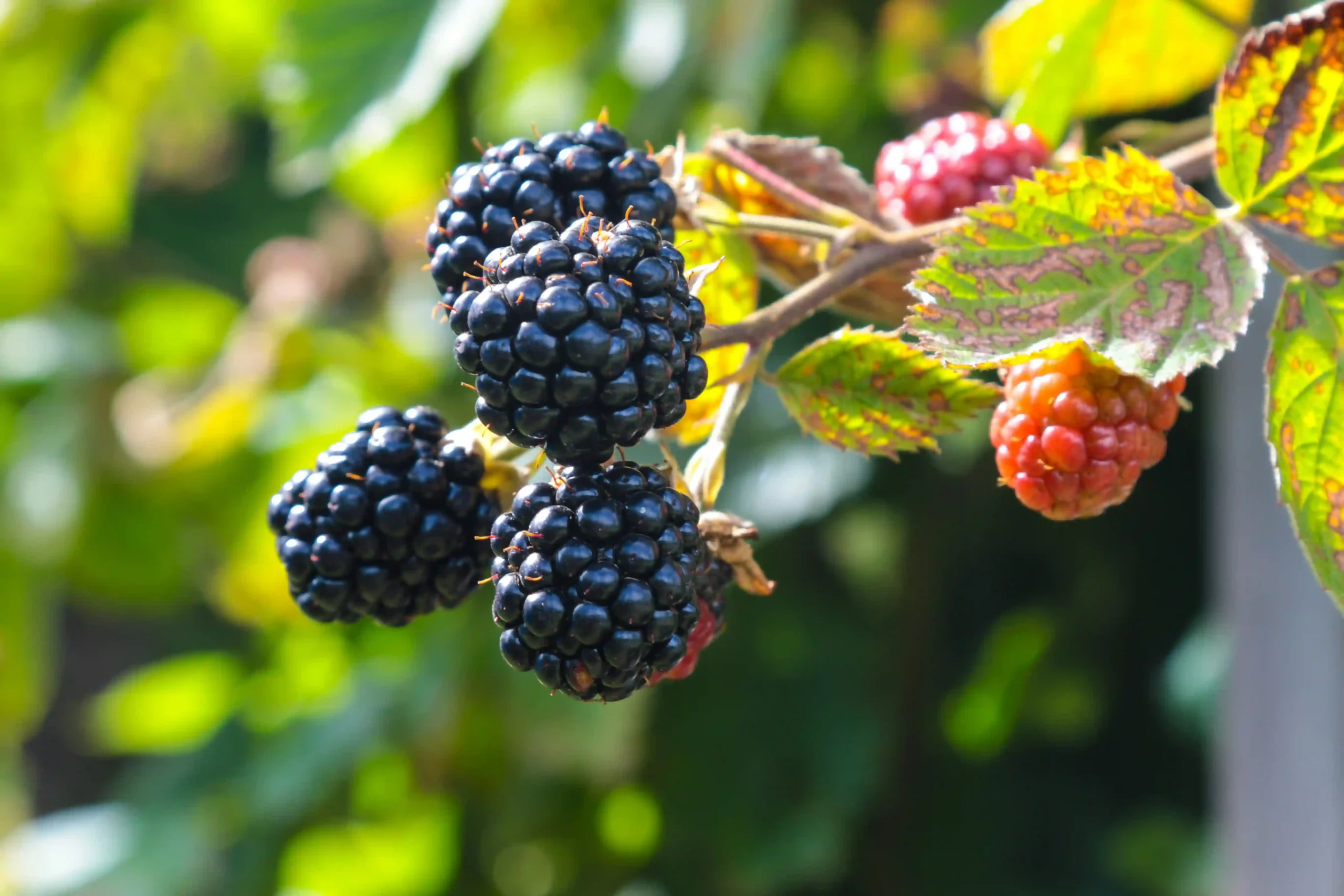
Blackberries
Yes, in moderation
Vitamins A, B, C, K, antioxidants
Same small xylitol concern as raspberries
Fresh, moderate amounts
Grapes / Raisins
NEVER
—
Cause acute kidney failure, potentially fatal
Do not feed at all
Cherries
No
Vitamin C
Pits contain cyanide, flesh causes GI issues
Avoid entirely
The takeaway here is that goji berries sit comfortably in the “safe in moderation” category alongside blueberries and strawberries. They actually offer a more diverse nutrient profile than most other dog-safe berries thanks to their protein, selenium, and zinc content. To see how goji berries compare with all other dog-safe fruits in one place, check out our complete guide on what fruit can dogs eat .
8. Can Dogs Have Blueberry Cheesecake Muffins? A Word of Warning Blueberry cheesecake muffins like this one contain cream cheese, sugar, and sometimes xylitol or chocolate — all genuinely dangerous for dogs. The answer is no, and the reason is not the blueberries. The problem is everything else in the muffin.
Why Blueberry Cheesecake Muffins Are Dangerous for Dogs Sugar: Blueberry cheesecake muffins are loaded with refined sugar. Regular or large amounts of sugar lead to weight gain, dental decay, and increased risk of diabetes.Cream Cheese and Fat: These muffins contain large amounts of cream cheese, butter, and fat. Dogs that consume high-fat foods in significant quantities can develop pancreatitis — a painful and sometimes life-threatening inflammation of the pancreas.Xylitol Risk: Many lower-sugar or sugar-free baked goods use xylitol as a sweetener. Xylitol is extremely toxic to dogs. Even a small amount can cause a sudden, severe drop in blood sugar and, in larger doses, liver failure.Nutmeg: Some muffin recipes include nutmeg as a spice. Nutmeg contains a compound called myristicin, which can cause high blood pressure, rapid heart rate, abdominal pain, and seizures in dogs.Chocolate Chips: Many blueberry muffin recipes call for chocolate chips. Chocolate contains theobromine, which dogs cannot metabolize properly and is responsible for thousands of veterinary emergency visits every year.Dairy: Many dogs are lactose intolerant to some degree. The heavy cream cheese filling in a cheesecake muffin can cause stomach cramps, gas, and diarrhea.What to Do Instead If you want to treat your dog to something blueberry-flavored, just give them plain fresh or frozen blueberries. They get all the antioxidants and vitamins with none of the risks. You can also bake simple dog-friendly muffins at home using dog-safe ingredients like whole wheat flour, oats, unsweetened applesauce, plain yogurt, and a handful of fresh blueberries — with no added sugar or artificial sweeteners. If you want to know the complete video recipe, check our guide can dogs eat blueberry muffins?
9. Frequently Asked Questions on Dogs and Goji Berries
Are goji berries toxic for dogs? No, goji berries are not toxic to dogs. They do not contain compounds that cause poisoning the way grapes or xylitol do. However, too many at once can cause digestive upset, including vomiting and diarrhea. Dogs on medications like blood pressure or blood-thinning drugs should only eat them with vet approval.
Can dogs eat dried goji berries? Yes, dogs can eat dried goji berries in moderation. Dried berries are more calorie-dense by weight than fresh ones, so stay at the lower end of the serving range for your dog’s size and use the serving-size calculator above. Chop dried berries into smaller pieces for small dogs to reduce choking risk, and check the label for added sugar or sweeteners.
Can dogs eat wolfberries? Yes. “Wolfberry” is another common name for the goji berry (Lycium barbarum ), so the same safety guidance applies. The confusion around “toxic wolfberries” usually comes from other wild Lycium species that look similar to the cultivated fruit. Stick to store-bought, clearly labeled goji or wolfberries and the serving guidelines above, and don’t let your dog eat unidentified berries from gardens or hedgerows.
Are goji berries good for dogs? They can be a nutritious occasional treat when fed in moderation. Goji berries provide vitamins A and C, selenium, zinc, and antioxidants such as zeaxanthin. Most of the research on these nutrients comes from humans or lab studies rather than dogs, so any benefit for your dog’s immune health, eyes, or coat is plausible but not proven.
Can dogs have goji berry powder? Dogs can have goji berry powder if it is pure with no added sugars, sweeteners, or additives. Because powder is more concentrated than whole berries, use only a very small pinch. Always introduce it slowly, watch for reactions, and check with your vet first, especially if your dog is on any medication.
How many goji berries can I give my dog per day? For small dogs (under 22 lbs), 3 to 5 berries given two to three times a week is a safe serving size. Medium dogs can handle 5 to 8 berries per session, while large and giant breeds can go up to 10 to 15. Always follow the 90/10 rule: treats should not exceed 10% of total daily calorie intake. Start with just one or two to test your dog’s tolerance.
What are 5 foods that are toxic to dogs? Five foods that are highly toxic to dogs are: (1) grapes and raisins, which cause acute kidney failure; (2) xylitol, an artificial sweetener that causes severe hypoglycemia and liver damage; (3) chocolate, which contains theobromine that dogs cannot process; (4) onions and garlic, which destroy red blood cells; and (5) macadamia nuts, which cause weakness, vomiting, and tremors.
Why can’t dogs have mashed potatoes? Plain mashed potatoes are not inherently toxic to dogs in small amounts, but most mashed potato recipes contain butter, milk, cream, salt, and sometimes garlic or onion, all of which are harmful to dogs. The high fat and dairy content can trigger digestive upset and pancreatitis. Garlic and onion in any form are directly toxic. Plain boiled or baked potato in tiny amounts is safer, but mashed potatoes as humans typically prepare them should be avoided.
Can you give a puppy scrambled eggs? Yes, puppies can eat plain scrambled eggs in small amounts. Eggs are a complete protein source and are safe for puppies when fully cooked without oil, butter, salt, or seasoning. A small portion, about a quarter to half an egg, can be a nice occasional treat. Raw eggs carry a risk of Salmonella and contain avidin, which can block biotin absorption, so always cook them fully before serving.
Can dogs have blueberry cheesecake muffins? No, dogs should not have blueberry cheesecake muffins. While blueberries themselves are safe for dogs, the muffin contains harmful ingredients, including large amounts of sugar, cream cheese, butter, and potentially xylitol, nutmeg, or chocolate chips. These ingredients can cause everything from stomach upset to pancreatitis, hypoglycemia, and toxicity. Stick to plain, fresh blueberries instead.
10. Conclusion So, can dogs eat goji berries? Absolutely, and when given correctly, these little red berries can be a genuine nutritional boost for your pup. Goji berries are not toxic to dogs, they are packed with vitamins, antioxidants, and minerals, and most healthy dogs tolerate them well in sensible amounts.
The three things to remember:
Serve plain goji berries only — fresh or dried, no additivesStick to size-appropriate portions — and always check with your vet if your dog takes any regular medicationAvoid processed foods that contain goji berries or blueberries as part of a larger recipe —things like blueberry cheesecake muffins contain a cocktail of ingredients that are genuinely harmful to dogsWhen in doubt, keep it simple. A few clean, washed, plain goji berries two or three times a week is a safe, nutritious, and easy treat your dog will likely love.
Always consult your veterinarian before introducing new foods to your dog’s diet, especially if your dog has a health condition, food sensitivities, or is on a prescription diet.
Muhammad Saad writes about pet nutrition and safety at Petscriz, researching each topic against peer-reviewed and veterinary sources. Firsthand animal care experience includes freshwater fish, rabbits, cats, parrots, and chicks; dog-related content is compiled from cited research rather than personal ownership, and is flagged accordingly throughout the site.