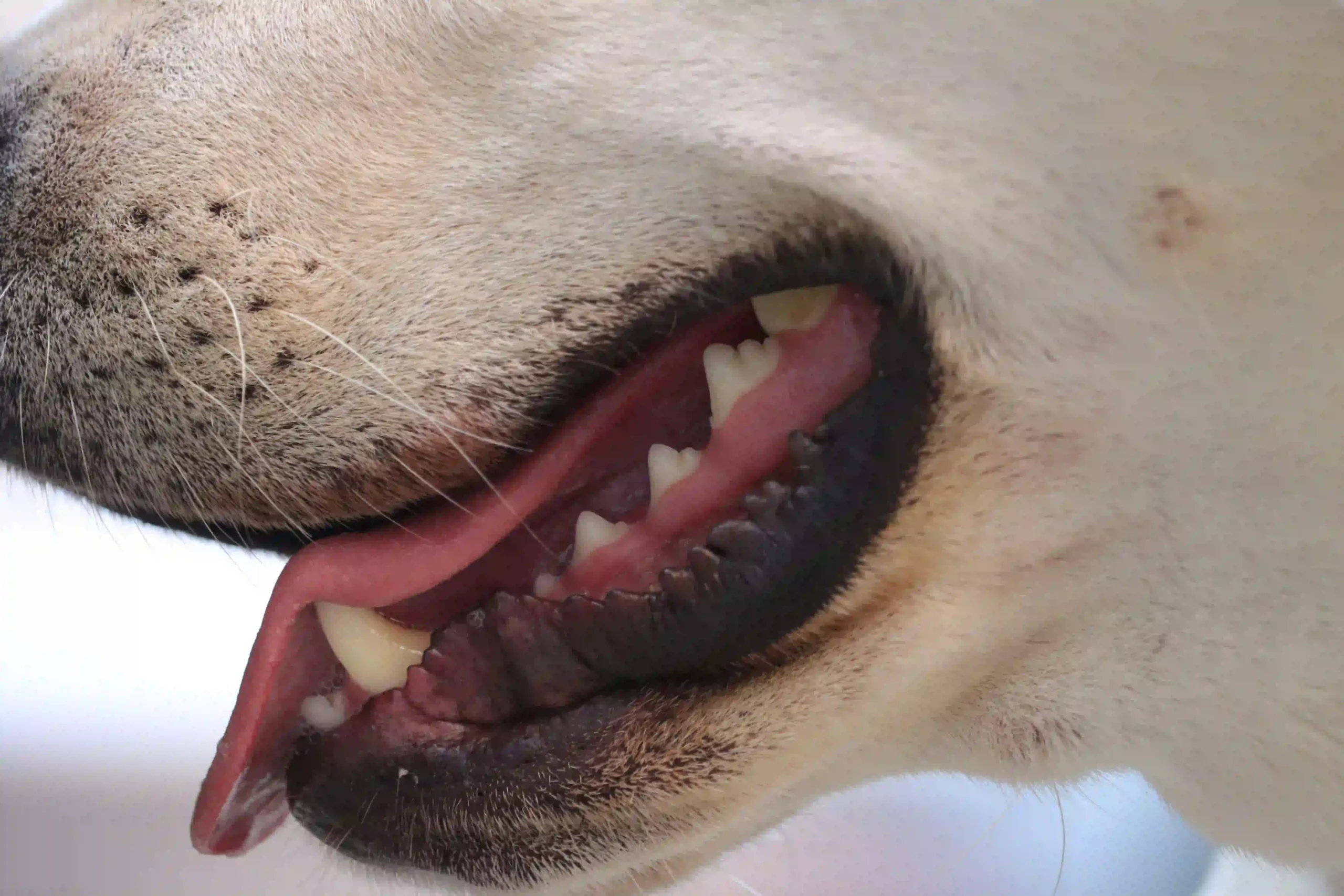
1. What Do Healthy Dog Gums Look Like? Healthy dog gums should be a consistent bubblegum pink color . They should feel slippery and moist to the touch, not dry, tacky, or sticky. This healthy canine gum color tells you that blood is circulating properly, oxygen is being delivered to tissues, and the body’s fluid levels are adequate.
What Healthy Canine Gums Feel Like Beyond color, texture matters. Run a clean finger across your dog’s gums. They should feel:
Wet and slippery: Like the inside of your own cheek. Moisture indicates proper hydration and circulation.Smooth: No roughness, swelling, or unusual texture along the gum line.Warm but not hot: Gums that feel unusually hot can indicate fever or inflammation.If your dog’s gums feel tacky, dry, or sticky rather than slippery, that is a dehydration signal worth addressing immediately, even if the color appears normal.
The Capillary Refill Time Test The capillary refill time test , often called CRT, tells you how well blood is circulating. Here is how to do it:
Lift your dog’s upper lip to expose the gums Press one finger firmly on the gum until the area turns white Release your finger and count the seconds Watch how long it takes for the pink colour to return 2. How to Check Your Dog’s Gums at Home Checking your dog’s gums takes under 10 seconds and requires no equipment. The earlier you build this habit, the faster you will notice when something is wrong.
Step by Step Gum Check Choose a calm moment — after a walk or during a cuddle session works well Gently lift your dog’s upper lip using your thumb Look at the colour of the gum tissue above the teeth Touch the gum lightly with one finger to check moisture Press and release to check capillary refill time Compare to the bubblegum pink baseline you know from healthy checks Check your dog’s gums once a week when healthy so you know exactly what their personal normal looks like. Some dogs naturally sit at a slightly lighter or darker shade of pink, knowing your dog’s baseline makes any deviation obvious.
What to Do With What You Find If the gums look pink and moist and the CRT is under 2 seconds — all is well. If you notice any color change, dryness, or slow CRT, move immediately to the sections below to understand what it means.
3. What Does Each Gum Color Mean in Dogs? Gum color is one of the most informative things you can observe about your dog’s internal health. Here is what every color means, from the most common to the most serious.
Gum Colour
What It Signals
Urgency Level
Healthy — normal circulation and oxygenation
None — normal
Anaemia, blood loss, shock, dehydration
HIGH — call vet immediately
Heart disease
EMERGENCY — go now
Overheating, toxin exposure
HIGH — call vet immediately
Liver disease
HIGH — vet same day
4. What Causes Pale Gums in Dogs? There are several distinct conditions that cause pale gums in dogs. Understanding each one helps you give your vet the right information and understand what treatment your dog may need.
Anemia Anemia is the most common cause of pale gums in dogs. It means the dog has too few red blood cells or too little hemoglobin to carry adequate oxygen around the body. Without enough oxygen reaching the gum tissue, the gums lose their pink color and become pale or white.
Anemia itself has many causes, including immune-mediated hemolytic anemia (where the immune system attacks its own red blood cells), chronic kidney disease , nutritional deficiencies , bone marrow problems , and chronic blood loss from parasites .
Internal Bleeding Internal bleeding is one of the most serious causes of suddenly pale gums in dogs. When significant bleeding occurs internally from trauma , a ruptured tumor , or a bleeding disorder — blood volume drops rapidly, and the gums turn pale or white within minutes.
A dog with internal bleeding may show pale gums alongside a distended or tense abdomen, extreme weakness, rapid breathing, and collapse. This is a life-threatening emergency requiring immediate surgery in most cases.
Shock Shock means the circulatory system has failed to deliver adequate blood flow to the body’s vital organs. It causes pale, cold, and often grey or white gums alongside weakness. Shock can result from trauma, severe blood loss, severe infection (septic shock), or severe allergic reactions.
According to the Merck Veterinary Manual , shock caused by blood or fluid loss is one of the significant causes of pale or white mucous membranes, including pale gums in dogs presenting at emergency clinics.
Dehydration Can dehydration cause pale gums in dogs? Yes, severe dehydration reduces blood volume significantly, which reduces circulation to the gums and causes them to appear pale or white. Dehydration also causes the capillary refill time to slow beyond the normal 2-second window.
Kidney disease is one cause of pale gums, since the kidneys produce a hormone needed to make red blood cells. If your dog’s urine has also looked unusually pale or watery, our guide on diluted urine in dogs
Gums in a dehydrated dog will typically feel dry and tacky rather than moist, alongside the color change. Mild dehydration may only cause slight pallor, while severe dehydration produces white, dry gums similar to other serious causes.
Dehydration is one of the most common reasons gums lose their healthy pink color. To check for the full picture, our guide on how to tell if a dog is dehydrated
If reduced water intake is behind the dehydration, it helps to understand the root cause first. Read our guide on why is my dog not drinking water
Heart Disease Heart conditions that reduce the heart’s ability to pump blood efficiently, including dilated cardiomyopathy, congenital defects, and severe arrhythmias, cause pale gums because less oxygenated blood reaches the peripheral tissues. Dogs with heart disease often also show exercise intolerance, coughing, rapid breathing, and weakness alongside pale gums.
Toxin Ingestion Several common toxins cause pale gums in dogs by destroying red blood cells or causing internal bleeding . These include rat poison (rodenticides that prevent blood clotting), onions and garlic (which destroy red blood cells over time), and zinc (found in coins and some sunscreens).
If pale gums appear suddenly with no obvious cause and you suspect your dog may have ingested something toxic, call the ASPCA Animal Poison Control Center at 888-426-4435 alongside contacting your vet immediately.
Cause
Speed of Onset
Other Signs to Look For
Urgency
Anaemia
Gradual
Lethargy, weakness, fast breathing
High — vet same day
Internal bleeding
Very sudden
Distended abdomen, collapse
Emergency now!
Shock
Very sudden
Weak pulse, rapid breathing, collapse
Emergency now!
Dehydration
Hours
Dry gums, skin tent test slow
High — vet same day
Heart disease
Gradual
Coughing, exercise intolerance
High — vet soon
Toxin ingestion
Sudden
Vomiting, seizures, bleeding
Emergency now!
5. When Should I Be Concerned About My Dog’s Pale Gums? The honest answer is that any time you see pale gums, you should call your vet. Pale gums in dogs are almost never a minor issue. Here is how to categorize what you are seeing:
🚨 Go to Emergency Vet Immediately If:
⚠️ Call Your Vet the Same Day If:
Why Are My Dog’s Gums Pale But Acting Fine? This is one of the most common and most dangerous situations. A dog with pale gums but acting fine may appear normal while compensating internally. Dogs are remarkably stoic animals and will often continue to act relatively normal even while their body is under serious internal stress.
Gradual anemia is the most common explanation. When red blood cell loss happens slowly over days or weeks, the dog’s body adapts to functioning with less oxygen. The dog appears fine to the owner while the underlying condition continues to progress. By the time the dog shows obvious signs of illness, the anemia is often severe.
Do not let a normal-acting dog with pale gums reassure you against calling your vet. Pale gums with normal behavior are still a same-day veterinary call.
6. Dark Gums in Dogs — What That Means Too While pale gums get the most attention, dark gums in dogs also carry important signals that owners should understand.
Naturally Dark Pigmented Gums Some dogs naturally have dark pigmentation in their gums — black, dark purple, or spotted gums that are completely normal for that individual. Breeds commonly affected include Chow Chows , Shar Peis , and some Labradors and mixed-breed dogs. If your dog has always had dark gums with no other symptoms, this is likely normal pigmentation.
This is why knowing your dog’s personal baseline is so important. A dog whose gums have always been spotted or dark does not have a problem. A dog whose gums suddenly turn dark when they were previously pink needs urgent assessment.
How to Check These Breeds For dogs with naturally dark pigmented gums, rely more heavily on:
Capillary refill time: Press on the gum and watch for color return — this works even in dark-pigmented gums.Gum moisture: Dry or tacky gums are a dehydration signal regardless of color.The inner eyelid (conjunctiva): Pull down the lower eyelid gently. The tissue inside should be pink and moist. This area is less pigmented than gums in most breeds and gives a useful alternative check.Overall behavior and energy: Changes in alertness, exercise tolerance, or breathing rate alongside gum changes.7. How Do I Fix My Dog’s Pale Gums? The honest answer is that you cannot fix pale gums at home. Pale gums are a symptom of an underlying condition, and the underlying condition is what needs treating. Here is what the process looks like.
Is There a Home Remedy for Pale Gums? There is no effective home remedy for pale gums in dogs. This is one of the YMYL health situations where attempting home treatment can cost your dog its life. A dog with pale gums needs a diagnosis before it can receive the right treatment, and diagnosis requires blood tests, physical examination, and sometimes imaging.
The only appropriate home action before reaching the vet is:
Keep your dog calm and still: Movement increases oxygen demand and worsens circulation in a compromised dog.Keep your dog warm: A blanket helps maintain body temperature, which supports circulation.Do not offer food or water: If surgery is needed, an empty stomach is important.Call ahead to the vet: Let them know you are coming and describe the gum color so they can prepare.What Vets Do to Diagnose and Treat Pale Gums When you arrive at the vet with a dog showing pale gums, the diagnostic process typically includes:
Full physical examination including heart rate, pulse quality, temperature, and breathing rate Complete blood count (CBC) to check red blood cell levels, white cells, and platelets Blood chemistry panel to assess organ function Urine test Abdominal ultrasound if internal bleeding is suspected Chest X-ray if heart disease or respiratory cause is suspected Treatment then depends entirely on the diagnosis:
Cause
Treatment
Anemia (immune-mediated)
Steroids, immunosuppressants, and possibly blood transfusion
Internal bleeding
Emergency surgery to identify and stop the bleed
Shock
IV fluid resuscitation, oxygen therapy, and addressing the cause
Dehydration
IV or subcutaneous fluids to restore blood volume
Heart disease
Cardiac medication, rest, possible surgery
Toxin ingestion
Induced vomiting (if recent), activated charcoal, antidotes if available
Anemia from parasites
Antiparasitic treatment, iron supplementation, supportive care
8. Frequently Asked Questions
What does it mean when a dog’s gums are white? White gums in dogs mean the gum tissue is receiving almost no blood flow. This is a critical emergency. The most common causes are severe internal bleeding, advanced shock, extreme anemia, or circulatory failure. White gums paired with weakness or collapse require emergency veterinary care within minutes, not hours. Do not wait to see if the dog improves.
When should I be concerned about my dog’s pale gums? You should be concerned any time your dog’s gums are paler than their usual bubblegum pink. Pale pink gums with a sluggish CRT (2 to 3 seconds) are a same-day vet call. White, blue, grey, or brown gums are an immediate emergency. Even a dog with pale gums that is acting fine still needs a vet call the same day.
Can dehydration cause pale gums in dogs? Yes. Severe dehydration reduces blood volume, which reduces circulation to the gum tissue and causes pallor (pale). Dehydrated gums also feel dry and tacky rather than moist. The capillary refill time slows beyond 2 seconds. Mild dehydration may only slightly dull the gum color, while severe dehydration produces pale to white gums similar to other serious causes.
How do I fix my dog’s pale gums? You cannot fix pale gums at home; they are a symptom of an underlying condition that needs diagnosis and treatment from a vet. Keep your dog calm, warm, and still. Do not offer food or water. Call your vet or emergency vet immediately and describe the gum color. Treatment depends on the cause and may include IV fluids, blood transfusion, surgery, or medication.
Why are my dog’s gums pale but acting fine? A dog with pale gums that appears normal is likely compensating. Gradual anemia is the most common cause; the body adapts slowly to lower oxygen levels while the condition continues to worsen internally. Dogs are stoic and mask illness well. Pale gums with normal behavior are still a same-day veterinary call. Do not let normal-seeming behavior deter you from seeking care.
Is there a home remedy for pale gums in dogs? No. There is no safe or effective home remedy for pale gums. Pale gums indicate a systemic problem that requires veterinary diagnosis. Attempting to treat the symptom at home delays the diagnosis of what may be a life-threatening condition. The correct response is always to contact your vet the same day for pale pink gums and immediately for white or colored gums.
What should a healthy dog’s gum color look like? Healthy canine gums should be a consistent bubblegum pink color. They should feel wet and slippery to the touch, not dry or tacky. The capillary refill time when pressed should be under 2 seconds. Some breeds with natural dark pigmentation are exceptions; their gums may be dark or spotted and still be completely normal for that individual.
Can pale gums in dogs be normal? In most dogs, pale gums are not normal and should not be dismissed. The exception is breeds with naturally dark or spotted pigmentation like Chow Chows and Shar Peis, where gum color assessment requires a different approach. For all other breeds, pale gums that represent a change from their normal baseline are a signal that warrants veterinary attention.
Conclusion Your dog’s gum color is one of the fastest and most reliable health checks you can do at home. Learning what healthy dog gums look like — bubblegum pink, moist, with a CRT under 2 seconds gives you a baseline that makes pale gums in dogs immediately obvious.
The three things to take away from this guide are straightforward. First, pale gums are almost never minor, they point to anemia, blood loss, shock, dehydration, heart disease, or toxin ingestion. Second, a dog with pale gums that appears fine is still a vet call. Dogs compensate well, and the underlying condition continues to progress. Third, there is no home remedy — treatment requires diagnosis and diagnosis requires a vet.
Check your dog’s gums this week while everything is normal. Know your dog’s healthy canine gum color. Then if you ever see pale gums in your dog, you will know exactly what to do.
Disclaimer: This article is for informational purposes only and does not replace professional veterinary advice. If your dog is showing pale gums or any signs of illness, always consult a licensed veterinarian for proper diagnosis and treatment.
Muhammad Saad writes about pet nutrition and safety at Petscriz, researching each topic against peer-reviewed and veterinary sources. Firsthand animal care experience includes freshwater fish, rabbits, cats, parrots, and chicks; dog-related content is compiled from cited research rather than personal ownership, and is flagged accordingly throughout the site.