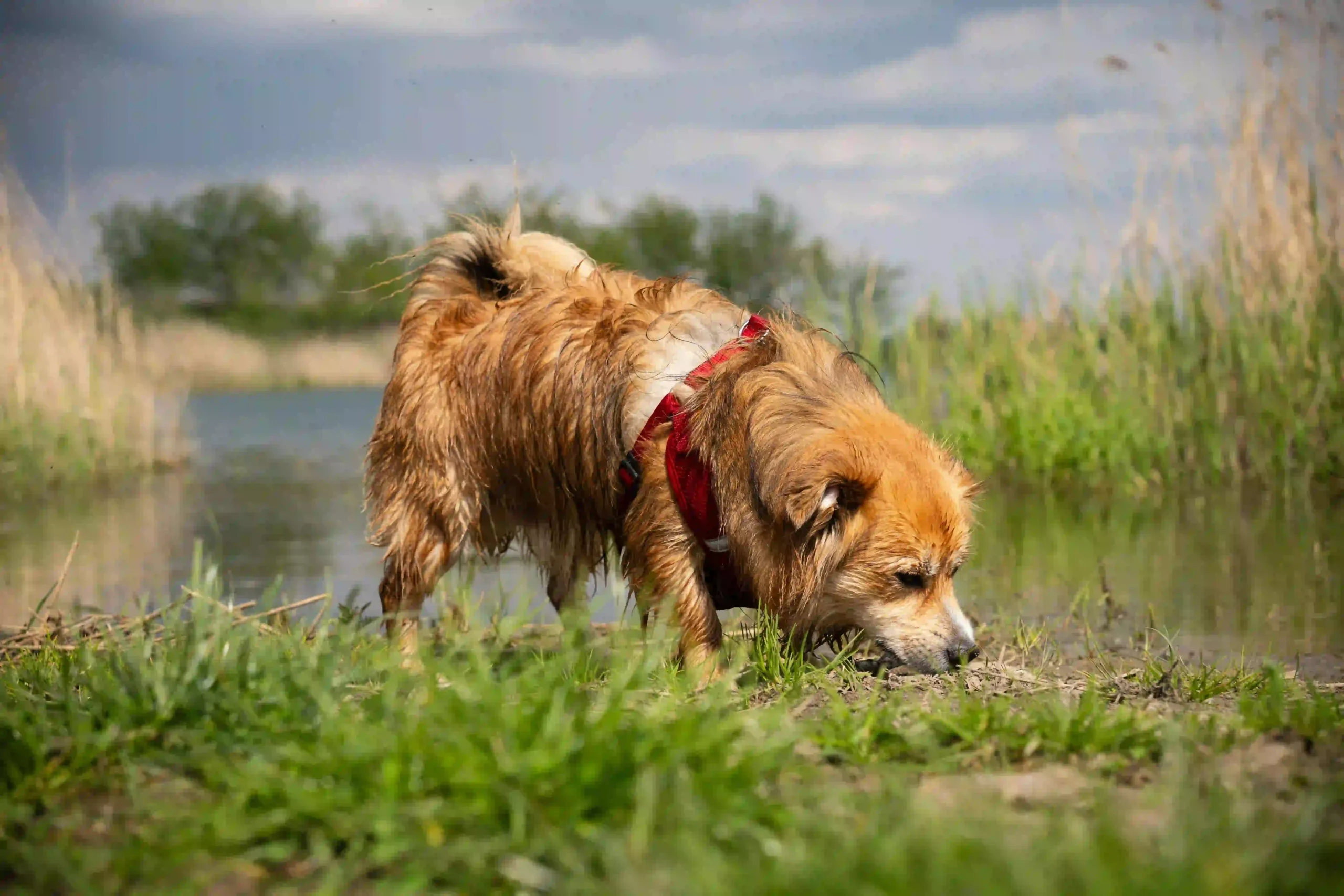
Why Do Dogs Eat Worms? The Real Reasons Understanding why your dog eats earthworms is the first step to knowing whether it is a one-off curiosity or a habit worth addressing. Dogs do not eat worms by accident. There are specific reasons behind this behavior, and some of them are worth taking seriously.
Instinct and Scent Dogs are natural scavengers. Their sense of smell is estimated to be 10,000 to 100,000 times more sensitive than ours. To a dog, a freshly surfaced earthworm after rain smells interesting, different, and potentially edible. This is pure instinct at work, the same drive that makes them sniff out dead animals or roll in unpleasant things. The behavior is normal even if the result is gross.
Puppies in particular explore the world through their mouths. A puppy eating earthworms in the yard is often just doing what puppies do, tasting and testing everything in their environment. This does not make it safe, but it does mean the behavior is not a cause for alarm on its own.
Nutritional Deficiency Some veterinarians and animal behaviorists suggest that dogs eating worms repeatedly may be responding to a nutritional gap in their diet. Earthworms are genuinely high in protein and contain iron, calcium, and amino acids. While this does not mean worms are a healthy snack, a dog consistently seeking them out could be signaling something about their diet.
If your dog keeps eating worms and not just occasionally, it is worth discussing their diet with your vet at the next visit. The behavior alone is not a diagnosis, but it is worth flagging.
Boredom and Habit Some dogs develop a worm-eating habit simply because they did it once, found it interesting, and kept doing it. Dogs are creatures of habit, and if worm-eating gets them attention, even negative attention, it can reinforce the behavior. Bored dogs left alone in the yard for long periods are more likely to engage in scavenging behaviors, including eating earthworms, bugs, grass, and soil.
What Happens if Your Dog Eats a Worm? Most of the time, a dog eating one or two earthworms will experience nothing beyond a mildly unsettled stomach. Earthworms themselves are not toxic to dogs. The concern is not the worm itself but what the worm may be carrying.
If your dog ate a worm, the most common immediate outcome is nothing at all. Some dogs experience mild digestive upset, including loose stools or a brief period of reduced appetite. This is not caused by the worm being poisonous but by the simple fact that earthworms are not a normal part of a dog’s diet, and the digestive system reacts accordingly.
Symptoms that are normal and usually self-resolving within 24 hours include soft stools, occasional vomiting, and mild lethargy. Symptoms that warrant a vet call include persistent vomiting, bloody diarrhea, significant lethargy lasting more than 24 hours, coughing, difficulty breathing, or seizures. These more serious signs are rare from a single earthworm encounter, but they matter.
Are Worms Harmful for Dogs? Earthworms themselves are not harmful in the way that toxic plants or chemicals are. The risk comes from two sources: bacteria and parasites that earthworms can carry in or on their bodies. Soil is a complex ecosystem, and earthworms move through it constantly, picking up and potentially transporting microorganisms from feces and decaying matter.
The most relevant risks are Capillaria aerophila, a lungworm species for which earthworms may serve as a transport or intermediate host, per research reviewed in Laboklin Veterinary Diagnostics , and intestinal bacteria from contaminated soil. Neither of these is a guaranteed outcome from a single worm encounter, but repeated exposure meaningfully increases the risk.
Parasites Earthworms Can Carry It is important to be precise about which parasites earthworms actually carry versus which ones are commonly misattributed to them.
Parasite
Carried by earthworms?
Primary Host
Risk Level
Source
Capillaria aerophila (lungworm)
Possibly, role as transport/intermediate host under study
Foxes, dogs, cats
Low to moderate
Angiostrongylus vasorum (French heartworm)
No, slugs and snails
Dogs, foxes
High if from slugs, not earthworms
Toxocara canis (roundworm)
No, direct fecal-oral transmission
Dogs
Low from earthworms specifically
Physaloptera (stomach worm)
Mice and frogs are transport hosts
Dogs
Low to moderate
Soil bacteria (e.g., E. coli)
Yes, picked up from contaminated soil
Any dog
Low, healthy immune system handles most
The Lungworm Misconception Worth Clarifying Here is something that genuinely surprises most dog owners. Angiostrongylus vasorum, the most talked-about lungworm in dogs, is NOT transmitted through earthworms. According to CAPC Guidelines , A. vasorum is transmitted exclusively through slugs and snails. Dogs become infected by eating an infected slug or snail, not an earthworm.
Earthworms are implicated in a different, less common lungworm species called Capillaria aerophila, and their exact role is still being studied. The risk from earthworms and lungworms is real, but they are different, generally less severe species than the ones most people are worried about when they Google “lungworms.” Your dog eating one earthworm is not the same risk as your dog eating a slug.
Physaloptera: The Stomach Worm Physaloptera is a stomach worm found in dogs across the USA. Mice and frogs can serve as transport hosts for Physaloptera larvae, according to the Merck Veterinary Manual . If your dog eats a contaminated frog, Physaloptera larvae can establish in the stomach lining. Signs include chronic vomiting, especially of mucus or partially digested food, weight loss, and dark tarry stools. This is relatively uncommon, but it is the most realistic gastrointestinal parasite risk from mice or frog ingestion specifically.
Dog Eating Worms After Rain: Why It Happens More Then If you notice your dog eating worms more often after heavy rain, you are not imagining it. There is a straightforward biological explanation for this, and understanding it helps you manage the behavior more effectively.
Why Earthworms Surface After Rain Earthworms surface in large numbers after rain because saturated soil reduces the oxygen available underground. Contrary to a popular myth, earthworms do not come up to avoid drowning. Research published in Applied and Environmental Soil Science suggests they surface to travel more efficiently across wet ground. Whatever the reason, the result is dozens or hundreds of earthworms suddenly visible on the surface of your yard, driveway, and lawn.
For your dog, this is essentially a buffet appearing from nowhere. A dog eating worms in the yard after rain may consume multiple worms in a short period. The quantity matters here. One worm is low risk. A significant number of worms increases the statistical chance of exposure to parasites or bacteria.
What to Do After a Rain-Worm Incident Keep your dog on a leash after heavy rain to help prevent it from eating earthworms in the yard. Keep your dog inside or on a lead immediately after heavy rain until the worms retreat If you did not catch them in time, note roughly how many worms they ate Watch for symptoms over the next 24 to 48 hours If your dog ate a large number of worms and shows any digestive symptoms, call your vet Check whether your dog is current on their deworming schedule Slugs, Bugs, and Maggots: When the Risk Gets More Serious Dogs that eat earthworms often eat other things too. This section covers the related risks from slugs, bugs, and maggots because the risk profile changes significantly depending on what exactly your dog consumed.
Can Dogs Eat Slugs? The Real Risk This is where the conversation shifts from low concern to genuine caution. Dogs eating slugs face a significantly higher parasite risk than dogs eating earthworms. As confirmed by CAPC Guidelines, Angiostrongylus vasorum is transmitted through slugs and snails, not earthworms. This distinction matters enormously.
A dog eating a slug can ingest A. vasorum larvae, which then develop in the dog’s pulmonary arteries and right ventricle. This is a potentially life-threatening infection. Symptoms include coughing, exercise intolerance, breathing difficulties, unexplained bleeding, seizures, and sudden collapse. If you know or suspect your dog ate a slug, this is a vet call, not a wait-and-see situation.
Slugs and snails leave slime trails on surfaces. Dogs can pick up lungworm larvae just from licking a surface a slug has crossed, eating grass a slug has traveled across, or drinking from outdoor water bowls that slugs have visited. This is why dogs do not need to visibly eat a slug to be at risk.
Dog Eating Bugs: What Are the Risks? A dog eating bugs is generally at lower risk than eating earthworms or slugs. Most common garden insects, including beetles, grasshoppers, and crickets, are not toxic and not significant parasite carriers for dogs. The exceptions worth knowing about:
Fireflies (lightning bugs): Mildly toxic to dogs. Contain lucibufagins, which can cause drooling, vomiting, and lethargy. Not usually dangerous in small amounts, but worth monitoring. Stink bugs: Can cause excessive drooling and vomiting from the chemical they release. Not toxic but uncomfortable. Cockroaches: Can carry Physaloptera larvae, similar to earthworms. If your dog regularly eats cockroaches, this is worth mentioning to your vet. Crickets and grasshoppers: Generally harmless. May cause mild stomach upset in large quantities. Dog Eating Maggots: Higher Concern A dog eating maggots is a higher concern than earthworms or most bugs. Maggots feed on decaying organic matter and feces, which means they can carry a significant bacterial load. A dog eating maggots from a garbage pile, dead animal, or feces is at risk of bacterial gastroenteritis from organisms like E. coli, Salmonella, and Clostridium. Symptoms typically appear within 6 to 12 hours and include vomiting, diarrhea, fever, and significant lethargy. If your dog ate maggots, call your vet rather than waiting to see what happens.
Dog Eating Worm Castings Worm castings are the feces left behind by earthworms in the soil. Some dogs are attracted to eating soil and worm castings specifically. The risk from worm castings is similar to the risk from earthworms themselves, but with a higher bacterial load since castings are essentially processed organic matter and feces from the worm’s digestive tract. Dogs that regularly eat soil and worm castings should have a fecal test at their next vet visit to check for intestinal parasites.
How to Stop Your Dog Eating Worms in the Yard Supervised outdoor time after rain The simplest and most effective approach. Keep your dog on a lead for the first 30 minutes after heavy rain when earthworms are most visible on the surface.
Training the ‘leave it’ command A reliable ‘leave it’ response is one of the most valuable things you can teach a dog. Practice it regularly with low-value items before expecting it to work with something as enticing as a worm. The AKC provides free guidance on this at
akc.org .
Enrichment to reduce boredom Dogs that scavenge out of boredom benefit from more mental stimulation. Puzzle feeders, sniff walks on a lead, and regular play sessions reduce the drive to explore and consume random things in the yard.
Dietary review If your dog keeps eating worms despite management, have a conversation with your vet about their diet. It is worth ruling out a nutritional gap.
Keep the yard clear Removing leaf litter, compost piles, and areas of standing water reduces earthworm habitat in your immediate yard.
Keep Their Deworming Schedule Current This is the single most important protective measure for a dog that regularly eats earthworms or other things from the yard. A current broad-spectrum deworming schedule does not prevent your dog from eating worms, but it significantly reduces the likelihood that any parasites they pick up will establish and cause harm.
For most adult dogs, this means deworming every three months with a product that covers roundworms, hookworms, whipworms, and tapeworms. For dogs that regularly scavenge, eat earthworms, or have outdoor access in high-risk areas, monthly treatment via a prescription combination product may be more appropriate. Talk to your vet about what schedule makes sense for your specific dog. You can read our complete guide to
how often dog worming is needed for adult dogs for the full breakdown.
FAQs: People Also Ask About Dogs Eating Worms
What happens if your dog eats a worm? In most cases, nothing serious happens. Earthworms are not toxic to dogs, and a single worm encounter rarely causes more than mild digestive upset. The real risk is from parasites or bacteria that the worm may carry. Watch for vomiting, diarrhea, coughing, or lethargy for 24 to 48 hours. If symptoms appear or your dog ate a large number of worms, contact your vet.
Why does my dog keep eating worms? Repeated worm eating usually comes down to instinct, scent attraction, boredom, or a possible nutritional gap. Dogs are natural scavengers, and earthworms smell interesting to them, especially after rain when large numbers surface. If the behavior is frequent, review their diet with your vet and consider whether they need more mental stimulation and exercise.
Are worms harmful to dogs? Earthworms themselves are not toxic. The concern is what they carry. Earthworms can act as transport hosts for Physaloptera (stomach worm). They can also carry soil bacteria from contaminated ground. The risk from a single worm is low in a healthy adult dog, but repeated exposure increases the risk meaningfully.
Can dogs eat slugs? No, and slugs are significantly higher risk than earthworms. Slugs are the primary intermediate host for Angiostrongylus vasorum (French heartworm), a potentially life-threatening lungworm infection. Dogs can also pick up lungworm larvae from surfaces that slugs have crossed without directly eating the slug. If your dog eats a slug, contact your vet rather than waiting to see if symptoms develop.
My dog ate a worm. What should I do? First, stay calm. Note roughly how many worms they ate and whether they were earthworms or something else. Watch for symptoms including vomiting, diarrhea, lethargy, coughing, or breathing changes for the next 24 to 48 hours. Call your vet if symptoms appear, if your dog ate a large number of worms, or if the worms were slugs rather than earthworms. Check that your dog is current on their deworming schedule.
Can worms live in a dog’s stomach after being eaten? The earthworm itself does not survive in a dog’s digestive system. The digestive acids kill the worm quickly. The concern is whether the worm was carrying parasite larvae before being eaten. Those larvae can survive digestion and establish in the dog’s system. Physaloptera larvae, for example, can attach to the stomach lining and cause chronic vomiting if not treated. A fecal test confirms whether any parasites were picked up.
Why is my dog eating worms after rain? Earthworms surface in large numbers after rain because saturated soil reduces underground oxygen. This creates a sudden abundance of worms on the surface of your yard that your dog can see, smell, and access easily. The behavior is a natural scavenging instinct responding to a sudden food opportunity. Keeping your dog on a lead for the first 30 minutes after heavy rain is the most practical way to prevent it.
What is the difference between a dog eating earthworms versus slugs? The risk is significantly different. Earthworms carry low to moderate parasite risk, mainly Physaloptera and possibly Capillaria aerophila. Slugs carry Angiostrongylus vasorum, a potentially fatal lungworm that lives in the dog’s heart and pulmonary arteries. One earthworm in an otherwise healthy dog is usually a watch-and-wait situation. A slug is a vet call.
A dog eating earthworms is one of those things that looks worse than it usually is. In most cases, a healthy adult dog that eats one or two earthworms will be fine. The behavior is natural, the risk from a single encounter is low, and symptoms, if they appear, are usually mild and brief.
Where it matters is in the details. Regular worm eating changes the risk profile. Slugs are a different and much higher risk than earthworms. Maggots from contaminated sources are worth taking seriously. And a dog that scavenges frequently is a dog that needs a current, comprehensive deworming schedule.
3 Key Takeaways 1. One earthworm is usually fine. Watch for symptoms for 24 to 48 hours, but do not panic. 2. Slugs are not the same as earthworms. Slugs carry lungworm, and a slug ingestion is always a vet call. 3. Keep deworming current. A dog that eats things from the yard needs a comprehensive quarterly or monthly deworming schedule.
Veterinary Disclaimer: This article is for informational purposes only and does not replace professional veterinary advice. If your dog shows symptoms after eating earthworms, slugs, or other materials from the yard, consult a licensed veterinarian. Individual health status and local parasite prevalence affect risk levels.
Muhammad Saad writes about pet nutrition and safety at Petscriz, researching each topic against peer-reviewed and veterinary sources. Firsthand animal care experience includes freshwater fish, rabbits, cats, parrots, and chicks; dog-related content is compiled from cited research rather than personal ownership, and is flagged accordingly throughout the site.