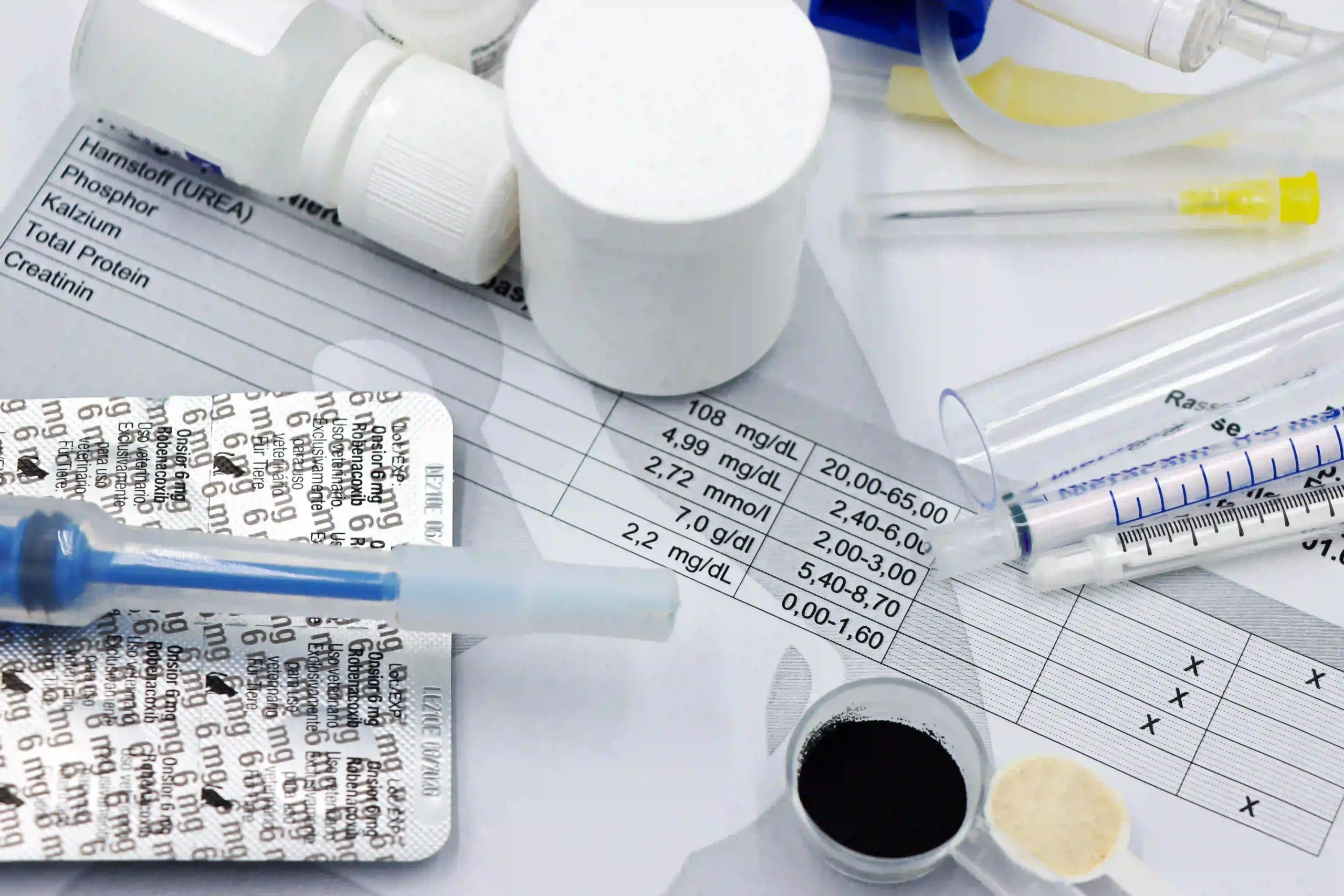
1. What Does Dilute Urine Mean in Dogs? Dilute urine in dogs means the urine has a higher water content and a lower concentration of dissolved waste compared with normal urine. Vets measure this precisely using a test called urine specific gravity , or USG.
Think of urine concentration like making tea. Strong tea looks dark because more is dissolved into the water. Weak tea looks pale because it is mostly water. Dilute urine is the weak tea version — mostly water, with fewer waste products dissolved in it.
Understanding Urine Specific Gravity (USG) USG compares the density of your dog’s urine to pure water, which has a value of 1.000. The higher the number, the more concentrated the urine. The lower the number, the more diluted it is.
According to a 2013 review published on dvm360 , healthy dogs typically produce urine with a USG between 1.010 and 1.050, though the normal range can vary much more widely depending on hydration and recent water intake. A first morning sample tends to be more concentrated than one collected later in the day.
Term
What It Means
Hypersthenuria
Kidneys normally conserve water
Hyposthenuria
Very dilute — actively diluting beyond plasma level
Isosthenuria
Urine matches blood concentration — kidneys not concentrating or diluting
Isosthenuria is the term that tends to worry vets the most. According to dvm360’s review of urine specific gravity interpretation, when a dog cannot concentrate or dilute urine at all, and it settles into this fixed middle range, it usually means a meaningful portion of kidney function has already been lost.
Is One Dilute Urine Sample Always a Problem? No. A single dilute sample in an otherwise healthy dog is common and often harmless, especially after extra water intake, a hot day, or increased activity. According to a study referenced by the Journal of Veterinary Internal Medicine reviewing 103 healthy dogs, more than 17 percent had at least one diluted reading below 1.030 over a two-week monitoring period.
What matters far more than one sample is the pattern. Repeated dilute readings, especially alongside other symptoms, are what turn curiosity into a genuine reason for concern.
How Much Should Dogs Pee? A Volume Baseline Knowing roughly how much urine is normal helps you judge whether dilution is paired with a worrying increase in volume too. According to dvm360’s review of veterinary fluid balance research, healthy adult dogs in a normal environment produce approximately 20 to 40 milliliters of urine per kilogram of body weight every 24 hours, which works out to about 1 to 2 ml per kilogram per hour. Urine output above roughly 45 ml per kilogram per day is generally considered polyuria.
Translated into everyday terms for two common dog sizes:
A 20-pound dog produces approximately 6 to 12 ounces of urine per day under normal conditions.A 45-pound dog produces approximately 14 to 28 ounces of urine per day under normal conditions.Healthy Adult Dogs Most healthy adult dogs can comfortably hold their urine for six to eight hours , which is why a typical two to three walks a day schedule works well for most households. A dog that suddenly needs to go out far more often than this baseline, especially alongside paler urine, fits the polyuria pattern discussed throughout this guide.
Puppies Puppies urinate more often than adult dogs for two reasons: their bladders are still developing the capacity and muscle control to hold urine, and their higher water needs relative to body size mean more fluid moving through the system. A commonly used guideline among trainers and vets is that a puppy can typically hold its bladder for roughly as many hours as its age in months, so a two-month-old puppy can usually manage about two hours between bathroom breaks. Most puppies need to go outside every two to six hours , depending on age, and by six to eight months of age, urination frequency starts to resemble an adult dog’s pattern, though this varies with individual lifestyle and health.
Senior Dogs Older dogs may need to urinate more frequently for reasons that go beyond the medical causes already covered in this guide. Alongside kidney disease, diabetes, and Cushing’s disease, cognitive dysfunction syndrome can cause a senior dog to forget normal house training, including when and where it is appropriate to urinate. This is worth mentioning to your vet separately from the urine itself, since the workup and management are different from a purely physical cause.
2. Dilute Urine in Dogs: Symptoms to Watch For Dilute urine in dogs rarely shows up alone. The symptoms that accompany it are often more useful for spotting a real problem than the urine color itself.
The Core Pattern: PU/PD Vets use the shorthand PU/PD to describe the most common pattern linked to dilute urine. PU stands for polyuria, meaning increased urine volume. PD stands for polydipsia, meaning increased water drinking.
In most dogs with an underlying medical cause, diluted urine is essentially the visible result of polyuria itself; the kidneys lose their ability to concentrate urine and release large volumes of dilute urine, and polydipsia follows as the dog drinks more to replace that fluid loss. Less commonly, the order runs the other way: a dog drinks excessively first, often due to a behavioral cause, and the kidneys respond normally by producing dilute urine to get rid of the extra water. Telling these two patterns apart is one of the first things a vet works out, since it changes which causes are most likely.
Symptoms That Often Appear Alongside Dilute Urine Increased thirst: Refilling the water bowl more often, drinking at unusual times, or seeking out other water sources.More frequent urination: More trips outside, larger urine puddles, or a previously house-trained dog having accidents.Pale or almost clear urine color: Noticeably lighter than the usual straw yellow shade.Weight loss despite normal appetite: A common pattern with diabetes and kidney disease.Low energy or lethargy: Less interest in walks or play than usual.Vomiting or poor appetite: More associated with kidney disease and Addison’s disease.A single symptom on this list is rarely diagnostic on its own. It is the combination, and how long it has been going on, that helps a vet narrow down the cause.
3. Diluted Urine in Dogs: Causes Explained There is no single reason for diluted urine in dogs. The causes range from completely normal hydration to serious systemic disease. Here are the reasons for dilute urine in dogs that vets consider most often.
Kidney Disease The kidneys do far more than filter waste. They also decide how much water stays in the body and how much leaves through urine. When kidney function declines, the kidneys lose their ability to concentrate urine properly, and the result is larger volumes of paler, more diluted urine.
According to the dvm360 review on interpreting urine specific gravity, this loss of concentrating ability often is not detectable until the functional kidney tissue, called nephrons, has already been damaged. This is exactly why dilute urine can be one of the earliest outward clues of kidney disease, appearing before bloodwork shows obvious abnormalities.
Diabetes Mellitus In diabetes mellitus , excess sugar spills into the urine because the body cannot properly regulate blood glucose. That extra sugar pulls water along with it into the urine, which dilutes it and increases the volume produced. The dog then drinks more to replace the lost fluid.
A classic pattern with diabetes is a dog that drinks and urinates more, eats normally or even more than usual, but steadily loses weight.
Cushing’s Disease (Hyperadrenocorticism) Cushing’s disease happens when the adrenal glands produce too much cortisol, a stress hormone. Excess cortisol interferes with the kidneys’ ability to concentrate urine, leading to increased urination and, in turn, increased drinking to compensate.
Dilute urine in dogs with Cushing’s disease often comes with a recognizable cluster of other signs, covered in detail in the next section.
Addison’s Disease (Hypoadrenocorticism) Addison’s disease is in some ways the opposite hormonal problem to Cushing’s. The adrenal glands produce too little cortisol and aldosterone, which disrupts the body’s sodium, potassium, and water balance. This can also cause dilute urine, though Addison’s tends to present with vaguer, waxing and waning symptoms like intermittent vomiting, diarrhea, and lethargy, which makes it notoriously easy to miss in the early stages.
Diabetes Insipidus This is a much rarer cause, involving a problem with antidiuretic hormone , often shortened to ADH. ADH normally signals the kidneys to hold onto water. If the signal is missing, or the kidneys stop responding to it properly, the body loses far more water than it should, producing very dilute urine and significant thirst.
Liver Disease Liver disease can also be associated with dilute urine in some dogs, although it is rarely the urine sample alone that points to the liver. It is usually the combination of urine findings, bloodwork, and the overall clinical picture that leads a vet toward this diagnosis.
Some dogs drink excessively because of anxiety, boredom, or a compulsive behavior pattern called psychogenic polydipsia . This can produce genuinely dilute urine even though the kidneys themselves are functioning normally. A normal filtering system can still be overwhelmed if a dog is taking in far more water than it needs.
Clues that point toward a behavioral cause include a recent house move, new pets, construction noise, or other disruptions, alongside pacing, whining, or repeated trips to the water bowl during stressful moments.
It’s worth noting that dehydration typically causes the opposite pattern, darker and more concentrated urine rather than dilute. If you want to rule this out first, our guide on how to tell if a dog is dehydrated
Medications Certain medications increase thirst or interfere with the kidneys’ ability to concentrate urine as a side effect. Steroids and diuretics are the most common culprits. If dilute urine started shortly after a new medication or supplement began, that timeline is one of the most useful clues you can bring to your vet.
Cause
Typical Onset
Key Accompanying Signs
Simple overhydration
Hours
None — resolves on its own
Kidney disease
Gradual, weeks to months
Weight loss, vomiting, poor appetite, lethargy
Diabetes mellitus
Gradual, weeks
Weight loss with normal or increased appetite
Cushing’s disease
Gradual, months
Thin coat, panting, skin infections
Addison’s disease
Variable, can wax and wane
Intermittent vomiting, diarrhoea, weakness
Diabetes insipidus
Can be sudden
Extreme thirst, very high urine volume
Behavioural drinking
Often linked to a trigger event
Anxiety signs, pacing, situational pattern
Medication side effect
Shortly after starting a drug
The timeline matches the new medication
4. Dilute Urine With Protein in Dogs: Why It Matters More Dilute urine with protein in dogs is a combination that vets take seriously because the two findings together often point more specifically toward kidney disease than either finding alone.
Healthy kidneys are very good at preventing protein from leaking into urine. When a urine sample shows both low specific gravity and a positive protein reading, it suggests the kidney’s filtering structures, the glomeruli , may not be working as they should.
This combination is significant enough that vets often follow it up with a more specific test called a urine protein-to-creatinine ratio, or UPC ratio, which measures protein loss more precisely than a basic dipstick test. Persistent proteinuria alongside dilute urine is one of the patterns most strongly associated with chronic kidney disease in dogs.
5. Dilute Urine in Older Dogs Dilute urine in older dogs deserves a different level of attention than the same finding in a young, healthy dog, simply because the underlying causes shift significantly with age.
Why Age Changes the Picture Chronic kidney disease, Cushing’s disease, and diabetes mellitus are all substantially more common in senior dogs. A young dog with one dilute sample after a hot afternoon is very different from a twelve-year-old dog with the same finding repeated across several visits.
Senior dogs also tend to have reduced thirst sensation and may not increase their water intake as readily, even when their bodies need more, which can mask the usual increased drinking pattern that owners are taught to watch for.
What Vets Recommend for Senior Dogs Annual urinalysis starting around age seven, alongside routine bloodwork Tracking water bowl refills and urination frequency at home between visits Reporting even gradual changes, since senior conditions often progress slowly Avoiding water restriction, even if accidents increase, unless specifically directed by a vet 6. What Color Is a Dog’s Urine With Kidney Failure? A dog’s urine with kidney failure is typically very pale, almost colorless or straw colored, because the kidneys have lost the ability to concentrate it properly. This is the visual signature of the dilute urine pattern described throughout this guide.
Colour Comparison Table Urine Colour
What It Usually Means
Normal, healthy hydration
Dilute urine — normal after drinking a lot, or a sign of kidney disease if persistent
Concentrated urine — often a sign of dehydration
Possible liver disease, bile duct issues, or severe dehydration
Blood in the urine — infection, trauma, or in rare cases cancer
Severe — possible toxin exposure or muscle or red blood cell breakdown
It is worth noting that kidney failure does not always produce visibly different urine in the very early stages. The color change becomes more obvious as the disease progresses and the kidneys lose more of their concentrating ability. This is exactly why a lab-based USG reading is far more reliable than color alone.
7. How Vets Diagnose the Cause of Dilute Urine Diagnosing the cause behind dilute urine in dogs is rarely a single test. It is a process of combining several pieces of information.
Step-by-Step Diagnostic Process History taking : when symptoms started, how they have progressed, current medications, and any recent stress or routine changesPhysical examination : checking weight, body condition, coat, skin, abdomen, and hydration statusUrinalysis : measuring USG, checking for protein, glucose, blood, and examining sediment under a microscopeBlood chemistry panel : assessing kidney values (BUN and creatinine), liver values, and electrolytesAdditional hormone testing : if Cushing’s or Addison’s disease is suspected based on the pattern so farA low USG paired with elevated kidney values on bloodwork points strongly toward kidney disease. A low USG with normal kidney values shifts the focus toward other causes like diabetes, hormonal disease, or behavioral drinking. This is why both the urine test and the blood test together tell a much clearer story than either one alone.
8. When to Worry and What to Do What to Do If Your Dog Has Persistently Diluted Urine A single dilute sample requires no immediate action in a dog that is otherwise healthy and well. But if diluted urine is showing up repeatedly, here is exactly what to do before and during your vet visit.
Step 1 — Track the Pattern at Home Before calling your vet, spend two to three days collecting some simple observations. Write down:
How often your dog is urinating: count the number of trips outside or note accidents if they are occurring indoorsHow much water your dog is drinking: note if the water bowl is emptying faster than usualUrine color: Is it pale yellow, almost clear, or varying day to day? Pale gums alongside changes in urine output can point to circulation or kidney issues together. See our guide on pale gums in dogs Any other changes: appetite, weight, energy level, coat condition, or behaviourWhen it started: did anything change around that time — new food, new medication, a stressful event, a moveThis information is genuinely useful to your vet and helps narrow down the cause before any tests are run. The timeline and pattern often point more clearly toward a diagnosis than the urine sample alone.
Step 2 — Collect a Urine Sample to Bring A fresh urine sample collected at home is one of the most helpful things you can bring to a vet appointment for this concern. Here is how to do it correctly:
Use a clean, dry container — a small veterinary lab plastic container works fine Collect mid-stream urine , not the first or last of the flow Collect it first thing in the morning if possible, as this sample is more concentrated and gives the vet a clearer baseline Get it to the vet within two hours of collection, or refrigerate it to avoid sample deterioration . Step 3 — What to Tell Your Vet When you arrive, share everything you tracked in Step 1. The most important pieces of information are how long the pattern has been going on, whether thirst has increased alongside the dilute urine, any recent medication changes, and whether weight or energy has shifted.
Your vet will almost certainly run a urinalysis with USG, a blood chemistry panel, and a complete blood count as the starting point. Depending on what those show, follow-up testing for kidney function, Cushing’s disease, or diabetes may follow.
💡 One Important Rule While You Wait : Never restrict your dog’s water access while waiting for a vet appointment, even if the frequent urination is causing accidents indoors. If a medical condition is behind the diluted urine, water restriction can be dangerous. Keep fresh water available at all times and manage accidents with puppy pads or more frequent outdoor trips until the cause is identified.
🚨 Go to an Emergency Vet If Your Dog Has:
9. Frequently Asked Questions
What are the first signs of kidney failure in dogs? The earliest signs of kidney failure in dogs are often increased thirst and more frequent, paler urination, sometimes before any bloodwork changes appear. As the disease progresses, owners may notice reduced appetite, mild weight loss, occasional vomiting, and lower energy. Because these early signs are subtle, routine urinalysis in dogs over seven is one of the best ways to catch kidney disease early.
Does clear urine mean kidney problems in dogs? Not always. Clear or very pale urine after a dog drinks a lot of water is normal and temporary. It becomes a concern when it happens repeatedly, especially alongside increased thirst, weight loss, or low energy. A vet confirms whether clear urine reflects normal hydration or an inability of the kidneys to concentrate urine properly using a specific gravity test.
Does diluted urine mean dehydration? No, diluted urine typically means the opposite of dehydration. A well-hydrated or overhydrated dog produces more dilute urine because the kidneys are releasing excess water. A dehydrated dog’s kidneys do the reverse, conserving water and producing small amounts of dark, concentrated urine. Diluted urine in a dehydrated dog is actually an unusual and concerning combination that suggests the kidneys cannot concentrate urine as they should.
How much water causes diluted urine? There is no fixed amount, since it depends on the individual dog’s size, kidney function, and baseline water intake. As a general guide, a healthy dog drinking close to or above its typical daily need of about one ounce per pound of body weight will naturally produce more dilute urine. Intake that is consistently double or more than a dog’s normal amount is worth mentioning to your vet.
What color is urine with dehydration? Urine with dehydration is typically dark yellow to amber in color because the kidneys are concentrating it to conserve water in the body. This is the opposite pattern to diluted urine. If you see consistently dark urine alongside dry gums, lethargy, or reduced skin elasticity, your dog may be dehydrated and could benefit from increased fluid intake and a vet check.
How does a dog act when its kidneys are shutting down? A dog with advanced kidney failure typically shows a combination of increased thirst and urination, vomiting, significant appetite loss, weight loss, lethargy, bad breath with an ammonia-like odor, and pale gums. In the final stages, dogs may stop urinating altogether, become very weak, and show signs of confusion. These signs warrant immediate emergency veterinary care.
What does dilute urine mean in dogs? Dilute urine in dogs means the urine contains a higher percentage of water and fewer dissolved waste solids than normal urine. Vets measure this precisely with a urine specific gravity test. A single dilute sample can be harmless, but persistent dilution, especially with other symptoms, often signals an underlying condition like kidney disease, diabetes, or a hormonal disorder.
Can stress cause dilute urine in dogs? Yes, in some dogs stress, anxiety, or compulsive behavior can lead to excessive drinking, known as psychogenic polydipsia, which produces genuinely dilute urine even with normally functioning kidneys. However, this should always be a diagnosis of exclusion. A vet needs to rule out medical causes like kidney disease and diabetes before settling on a behavioral explanation.
Conclusion Diluted urine in dogs is a genuine clue, not a diagnosis on its own. A single pale sample after a big drink of water rarely means anything serious. A repeated pattern, especially alongside increased thirst, weight changes, or low energy, is what turns curiosity into a reason to call your vet.
The three things worth remembering from this guide are straightforward. First, dilute urine reflects how well the kidneys are concentrating fluid, and a urine specific gravity test is the only reliable way to confirm it. Second, the causes range from harmless overhydration to kidney disease, diabetes, Cushing’s disease, and Addison’s disease, with the surrounding symptoms guiding which one is most likely. Third, never restrict your dog’s water while waiting to see a vet, since doing so can be dangerous if a medical cause is behind the change.
If you have noticed diluted urine in your dog along with any of the warning signs covered here, the most useful thing you can do is track the pattern and book a vet visit. Catching the underlying cause early gives your dog the best possible outcome.
Disclaimer: This article is for informational purposes only and does not replace professional veterinary advice. If your dog is showing diluted urine, increased thirst, or any signs of illness, always consult a licensed veterinarian for proper diagnosis and treatment.
Muhammad Saad writes about pet nutrition and safety at Petscriz, researching each topic against peer-reviewed and veterinary sources. Firsthand animal care experience includes freshwater fish, rabbits, cats, parrots, and chicks; dog-related content is compiled from cited research rather than personal ownership, and is flagged accordingly throughout the site.