1. How Much Water Does a Dog Need Daily? Before diagnosing a problem, you need a baseline. A dog needs roughly one ounce of water per pound of body weight per day. According to the American Kennel Club , a 50-pound dog should drink around 50 ounces — about six cups of water daily under normal conditions.
Dog Weight
Daily Water Needed
Approx. Cups
10 lbs
10 oz
1.25 cups
20 lbs
20 oz
2.5 cups
40 lbs
40 oz
5 cups
60 lbs
60 oz
7.5 cups
80 lbs
80 oz
10 cups
These are baseline figures. Puppies, nursing dogs, active dogs, and dogs eating dry kibble all need more. Dogs eating wet food may drink noticeably less because wet food contains up to 80 percent moisture.
2. Why Is My Dog Not Drinking Water? All the Reasons Explained There is no single reason why a dog stops drinking water. There are many reasons why your dog is not drinking water. Here I have split the causes into two clear groups — preference and environment issues that you can fix at home, and medical causes that need a vet.
Preference and Environmental Reasons Stale or dirty water: Dogs have a far stronger sense of smell than humans. Water that has been sitting in a bowl for several hours, especially in a plastic bowl that retains odors, is often rejected. Change water at least twice a day and wash the bowl daily.Wrong bowl material: Some dogs refuse stainless steel bowls because of their own reflection. Others dislike plastic because it absorbs old food smells. Try switching to a ceramic or glass bowl to see if intake improves.Bowl location: A bowl placed in a high-traffic, noisy, or open area can make a dog feel exposed and unsafe while drinking. Dogs prefer drinking in quieter spots. Try moving the bowl to a calmer corner of the room.Preference for moving water: Many dogs instinctively prefer moving water over still water. A pet water fountain can dramatically increase water intake in reluctant drinkers because the running water stays aerated and fresh.Recent diet change: Switching from wet food to dry kibble removes a major moisture source from your dog’s diet. Some dogs compensate by drinking more. Others simply drink less overall during the transition period.New environment or travel: A recent move, a stay at a boarding facility, or simply travelling to an unfamiliar place can cause a dog to stop drinking temporarily due to stress and unfamiliar surroundings.Tap water taste difference: If you have moved or if your local water supply has changed, the taste or smell of tap water may be unfamiliar to your dog. Try offering bottled or filtered water to rule this out.Medical Reasons That Need a Vet Dental pain : Nausea : Diabetes : Addison’s disease : Urinary tract infection : Fever or infection : Reason
Likely Cause
Action Needed
Approaches bowl then walks away
Dental pain or dirty water
Check teeth, clean bowl
Stopped after diet change
Missing moisture from food
Add water to kibble or switch to wet food
Stopped after moving house
Stress or unfamiliar water taste
Offer bottled water and give time to settle
Also refusing food
Nausea or illness
Monitor 12 hours — vet if persists
Not drinking in hot weather
Dehydration risk or heat stress
Offer cool water, move to shade — vet if lethargic
Stopped after new medication
Side effect
Call the vet to discuss
3. Why Is My Dog Not Drinking Water But Eating? If your dog is not drinking water but is still eating normally, this is actually a reassuring sign. It means your dog is alert, has an appetite, and is not in a serious crisis, but it still needs attention.
Getting Moisture From Food The most common explanation is that your dog is getting enough fluid from its food. Wet or canned dog food might contain roughly 78 percent moisture. A dog eating two meals of wet food per day may genuinely not need much additional water to stay adequately hydrated.
Raw food diets also contain high moisture content. If you have recently switched to a wetter diet and your dog has reduced its water intake, this may be completely normal.
When Eating But Not Drinking Is a Warning Sign However, if your dog is eating dry kibble and still not drinking water, that is a more concerning sign. Dry food adds no moisture to the diet, so a dog that eats only kibble and drinks no water will begin to dehydrate within hours.
Watch specifically for these signs alongside the eating but not drinking pattern:
Gums that feel tacky or dry instead of moist and slippery Skin that returns slowly after the pinch test Dark yellow or reduced urine output Energy level noticeably lower than normal If two or more of these appear, treat it as a dehydration concern even if your dog is still eating.
4. Why Is My Dog Not Drinking Water in Hot Weather? Hot weather is one of the situations where not drinking water becomes dangerous fastest. A dog that is not drinking water in hot weather is at serious risk of heat-related dehydration within a few hours.
Why Some Dogs Refuse Water in Heat It seems counterintuitive, but some dogs actually become less inclined to drink when they are already overheated. This happens because heat-related nausea and heat exhaustion can suppress the normal thirst response. The dog needs water desperately but does not feel like drinking.
Other dogs may refuse water that is too warm. A bowl left in the sun can reach temperatures that put dogs off drinking entirely. Always offer cool or room-temperature water, especially in the summer months.
Move your dog to a cool, shaded area immediately Offer fresh cool water in a clean bowl — not ice cold, as extreme cold can cause stomach cramping Place a damp towel on your dog’s neck and paw pads to help cool them down Offer small amounts of water every few minutes rather than a full bowl at once If your dog has been in the heat for more than 20 minutes and still refuses water, call your vet Never leave a dog in a parked car in any weather. According to the American Veterinary Medical Association, car temperatures can rise by 20 degrees Fahrenheit within just 10 minutes on a mild day.
5. Why Is My Dog Panting But Not Drinking Water? A dog that is panting heavily but refusing water is showing two conflicting signals — the body is clearly overheated or stressed, which increases water loss through panting, but the dog is not replacing those fluids.
Panting Without Drinking: What It Means Panting is a dog’s primary cooling mechanism . Each heavy pant evaporates moisture from the respiratory tract, which removes significant fluid from the body. A dog that pants for 20 to 30 minutes without drinking is losing water at a meaningful rate.
When panting is paired with refusal to drink, the most common explanations are:
Anxiety or stress-related panting : Pain-related panting : Overheating with nausea : A dog that is panting but not drinking for more than 30 minutes without an obvious cause like brief exercise, should be evaluated by a vet the same day.
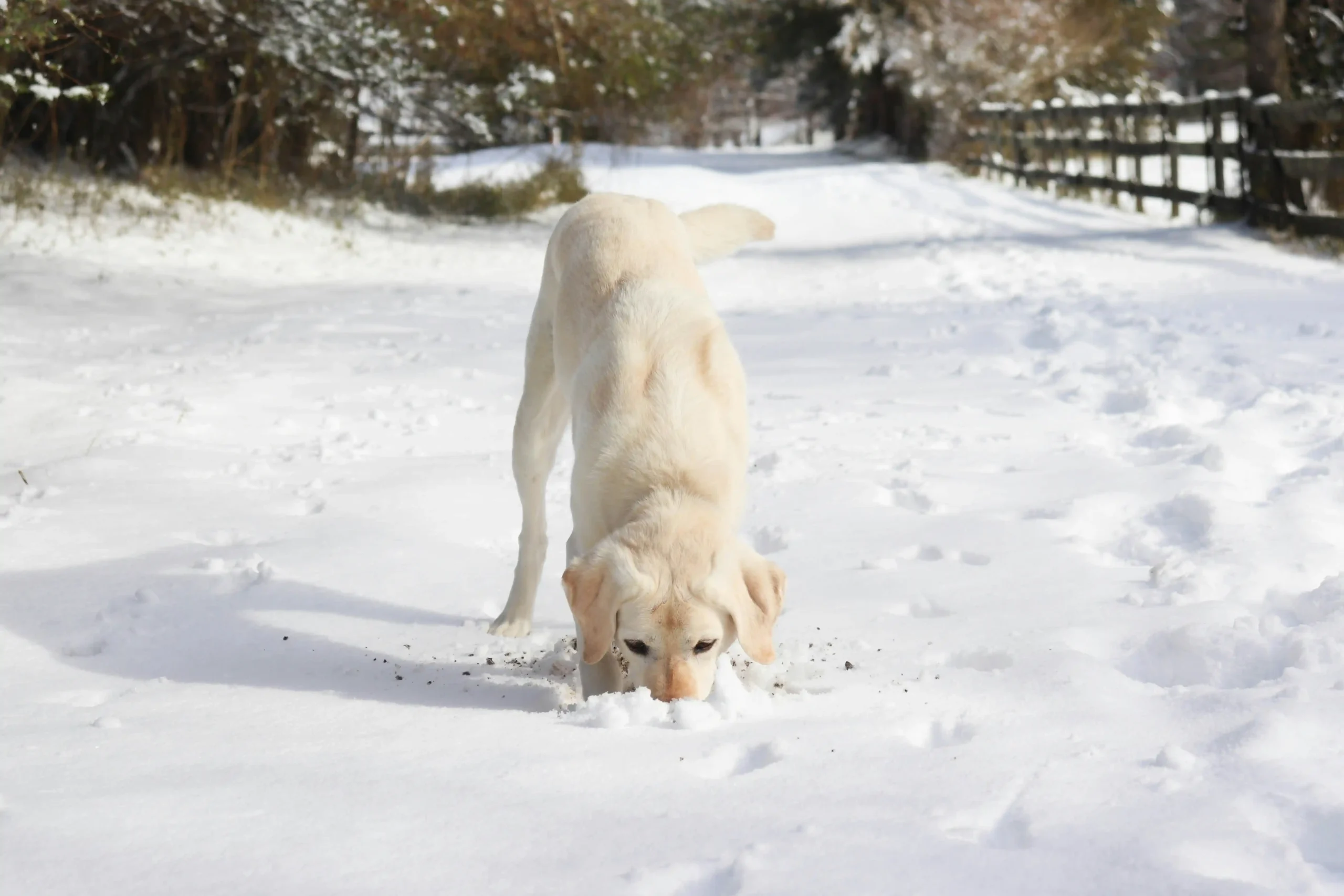
6. Why Is My Dog Eating Snow and Not Drinking Water? Dogs eating snow instead of drinking from their bowl is a behavior that many owners find puzzling. The short answer is that snow is water, but it comes with risks.
Why Dogs Prefer Snow Snow is naturally distilled water with a different taste and texture from tap water. Many dogs find it more interesting and enjoyable than still bowl water. Some dogs are also drawn to the activity of eating snow — it engages their senses in a way a static water bowl does not.
In small amounts, eating clean snow is generally harmless. However, it becomes a concern for three reasons:
Volume is unpredictable: A dog eating snow may consume far less fluid than it would from a proper water bowl, leading to slow dehydration over several days in cold weather.Snow can contain harmful substances: Road salt, antifreeze, pesticides, and animal waste can all contaminate snow. Antifreeze in particular is extremely toxic to dogs.It signals the dog may dislike its water source: A dog that consistently prefers snow over its bowl is probably telling you something about the bowl — it may be dirty, in the wrong location, or contain water the dog finds unpalatable.If your dog is eating snow and not drinking water, clean the bowl thoroughly, change the water, and try offering filtered water. If the behavior persists indoors when snow is not available, investigate further.
7. Why Is My Dog Not Drinking Water But Still Peeing? A dog that is not drinking water but is still urinating normally is one of the more puzzling presentations. It suggests there is still fluid moving through the body from a source other than direct water intake.
The most likely explanation is moisture from food — particularly wet food, raw food, or food with broth added is providing enough fluid to maintain normal urination without the dog needing to drink from a bowl.
A more concerning possibility is that your dog is accessing water from another source you are not aware of — a puddle, a toilet, a neighbor’s bowl, or condensation. Check for any hidden water sources.
If your dog is not drinking water and still urinating, but the urine is very dark yellow or brown, the kidneys may be concentrating urine to compensate for low intake. Dark urine alongside reduced drinking is a reason to call your vet.
8. How to Get Your Dog to Drink More Water Clean the bowl Wash the water bowl with hot soapy water and refill with fresh cool water
use a pet-safe bowl Try a different bowl material — ceramic or glass instead of plastic or stainless steel
Feed in a calm place Move the bowl to a quieter location away from foot traffic or appliance noise
double bowls, double sips Place an additional water bowl in a different room or area of the house
switch to a pet water Fountain Try a pet water fountain — moving water attracts most reluctant drinkers
try the water taste test Offer filtered or bottled water to rule out tap water taste issues.
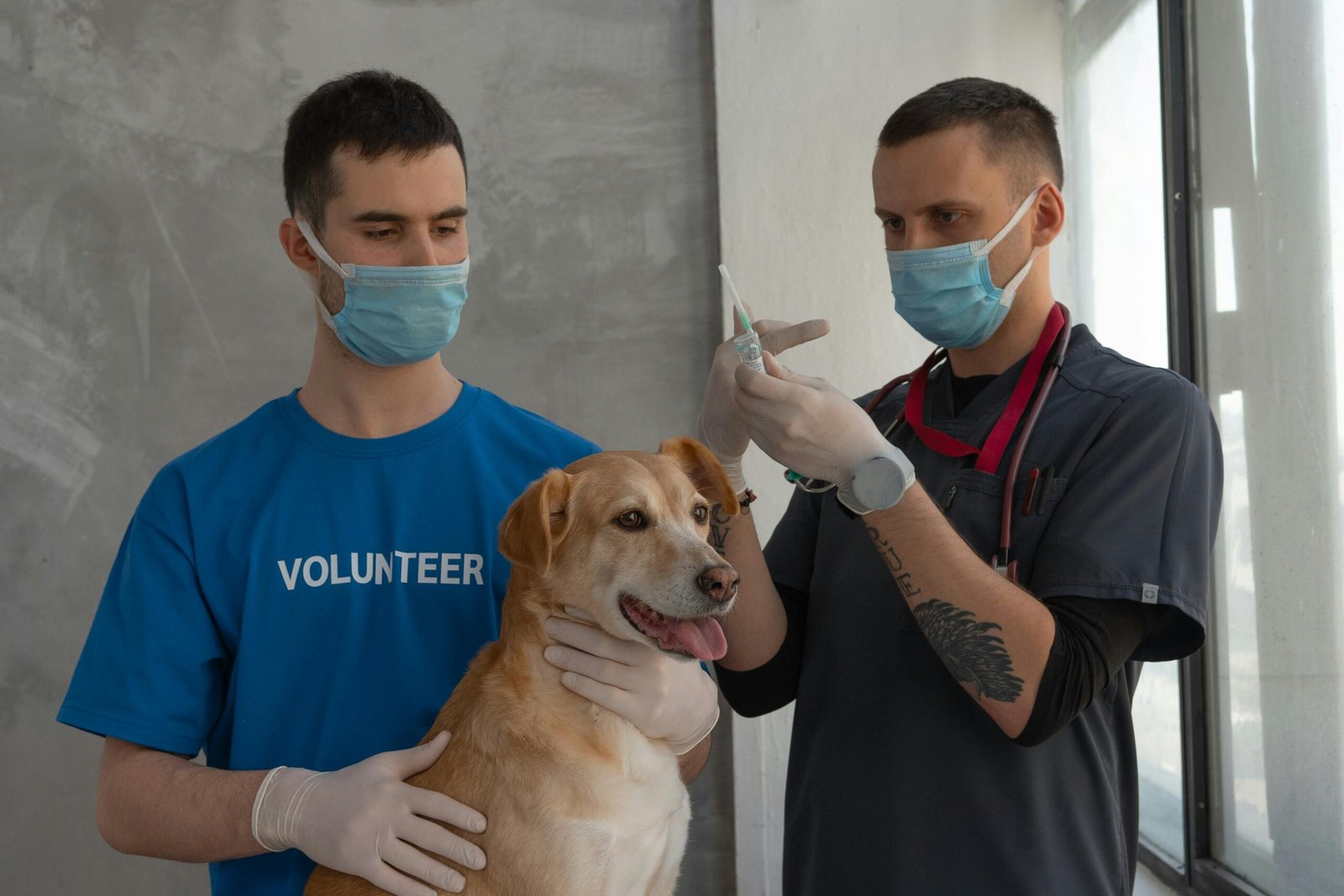
Can You Syringe Water to a Dog? Yes, you can use a syringe or turkey baster to offer small amounts of water to a dog that will not drink voluntarily. Draw up 5 to 10 ml of water and slowly squirt it into the side of the mouth between the cheek and the teeth, not directly down the throat, as this risks choking.
This method is suitable for mild dehydration only. If your dog needs syringe feeding of water because it is too weak or unwell to drink on its own, that is a veterinary emergency. Do not attempt to syringe large amounts of water into a very sick or collapsed dog.
The 7-Second Rule for Dogs The 7-second rule is a simple field test used by dog owners and handlers to give a rough estimate of dehydration. Pinch the skin at the back of your dog’s neck, hold it for 7 seconds, then release. Count how many seconds it takes to return to its original position.
Returns in 1 second: Well hydratedReturns in 2 to 4 seconds: Mild to moderate dehydrationReturns in 5 seconds or more: Moderate to severe dehydration — seek vet careDoes not return: Severe dehydration — emergencyNote: This test is less accurate in older dogs or those with naturally loose skin. Always combine it with the gum check for a more complete picture.
9. When Should I Worry About My Dog Not Drinking Water? Not all cases of reduced water intake are emergencies. Here is exactly when to worry:
⚠️ Contact Your Vet the Same Day If: pale gums in dogs
If your dog hasn’t been drinking enough, the next step is to check for dehydration directly. Our full guide on how to tell if a dog is dehydrated
🚨 Go to an Emergency Vet Immediately If:
Situation
Urgency
Action
Not drinking but eating and acting normal
Low
Try bowl changes, add broth, monitor 24 hrs
Not drinking for 12 to 24 hours
Medium
Call the vet for guidance
Not drinking and not eating
Medium-High
Vet visit same day
Not drinking and lethargic
High
Vet visit same day
Not drinking and collapsed
Emergency
Emergency vet immediately
10. Frequently Asked Questions
When should I worry about my dog not drinking water? Worry if your dog has not drunk water for more than 12 to 24 hours, is also refusing food, is showing lethargy or weakness, has dry or pale gums, or is a puppy or senior dog. These groups dehydrate faster. Any of these signs alongside reduced drinking means call your vet the same day rather than waiting to see what happens.
Why is my dog not drinking water or eating? A dog refusing both water and food is showing a more serious signal than one refusing just water. The most common causes are nausea, fever, infection, pain, or systemic illness. A dog that has refused both food and water for more than 12 hours should be seen by a vet the same day. Do not wait longer than this.
What can dogs drink if they will not drink water? The safest options are plain water with a small amount of low-sodium chicken broth added, diluted broth ice cubes, or water mixed into wet food. Dogs can also hydrate through moisture-rich foods like seedless watermelon and cucumber. Never offer milk, juice, sugar water, or anything containing xylitol, onion, or garlic.
Can you syringe water to a dog? Yes, for mild dehydration. Use a syringe or turkey baster and slowly deliver 5 to 10 ml of water into the side of the mouth between the cheek and teeth. Never squirt directly down the throat. This is only appropriate for mild cases. A dog that is too weak or unwell to drink on its own needs veterinary IV fluids, not syringe feeding at home.
What is the 7-second rule for dogs? The 7-second rule is a skin tent hydration test. Pinch the skin at the back of the neck, hold for 7 seconds, release, then count how long it takes to return. One second means well hydrated. Two to four seconds means mild dehydration. Five or more seconds means seek vet care. Always combine it with a gum check for accuracy.
Why is my dog not drinking much water suddenly? A sudden reduction in drinking is often caused by a diet change, a stressful event, a new environment, a dirty bowl, or the onset of illness. Check the obvious environmental reasons first. If nothing has changed and the reduction is significant and persists for more than a day, call your vet to rule out a medical cause.
Why is my dog eating snow and not drinking water? Dogs often prefer snow to bowl water because of its different taste and texture. In small amounts, this is harmless, but snow can contain impurities, and dogs rarely eat enough volume to stay properly hydrated. If your dog consistently prefers snow, clean its bowl thoroughly and try filtered water.
How long can a dog go without water? A healthy adult dog can survive without water for approximately 24 to 72 hours, but serious dehydration and organ stress begin within 24 hours. Puppies, senior dogs, and sick dogs reach dangerous dehydration levels much faster. Do not use this as a reason to wait. If your dog has not drunk for 12 hours and you are concerned, call your vet.
Conclusion Understanding why my dog is not drinking water comes down to ruling out the simple causes first — dirty bowl, wrong location, diet change, stress then watching for the signs that point to something medical.
The good news is that most cases of a dog not drinking water have a straightforward fix. A clean bowl, fresh filtered water, a splash of low-sodium broth, or a pet fountain solves the problem for the majority of dogs within hours.
The key is knowing when home fixes are enough and when your dog needs a vet. If your dog has not drunk water for more than 24 hours, is showing dehydration signs, is not eating either, or is a puppy or senior — that is the time to call, not tomorrow.
Your dog cannot tell you it is thirsty. Recognizing the signs and acting early is the most important thing you can do.
Disclaimer: This article is for informational purposes only and does not replace professional veterinary advice. If your dog is showing signs of dehydration or illness, always consult a licensed veterinarian for proper diagnosis and treatment.
Muhammad Saad writes about pet nutrition and safety at Petscriz, researching each topic against peer-reviewed and veterinary sources. Firsthand animal care experience includes freshwater fish, rabbits, cats, parrots, and chicks; dog-related content is compiled from cited research rather than personal ownership, and is flagged accordingly throughout the site.