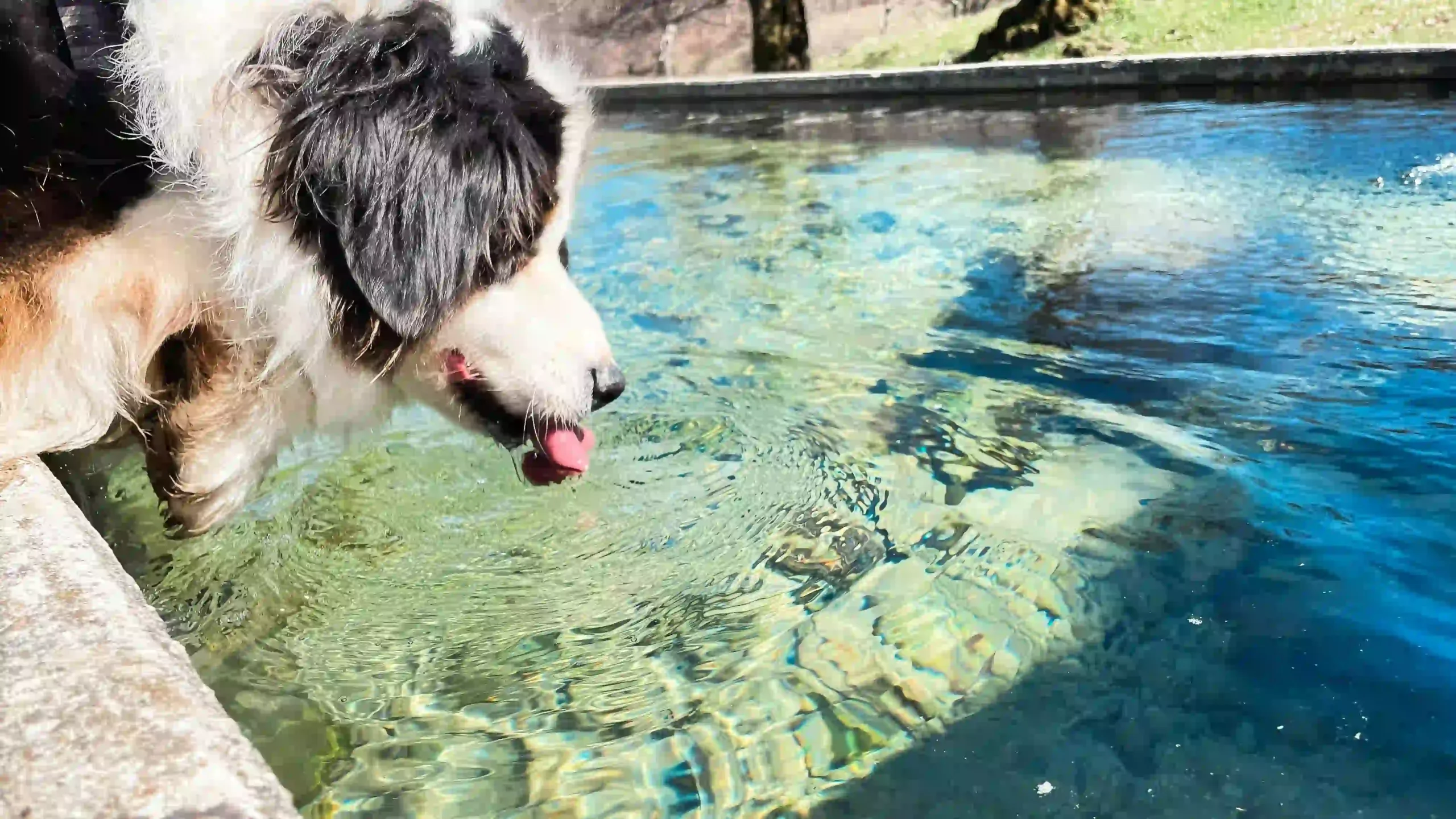
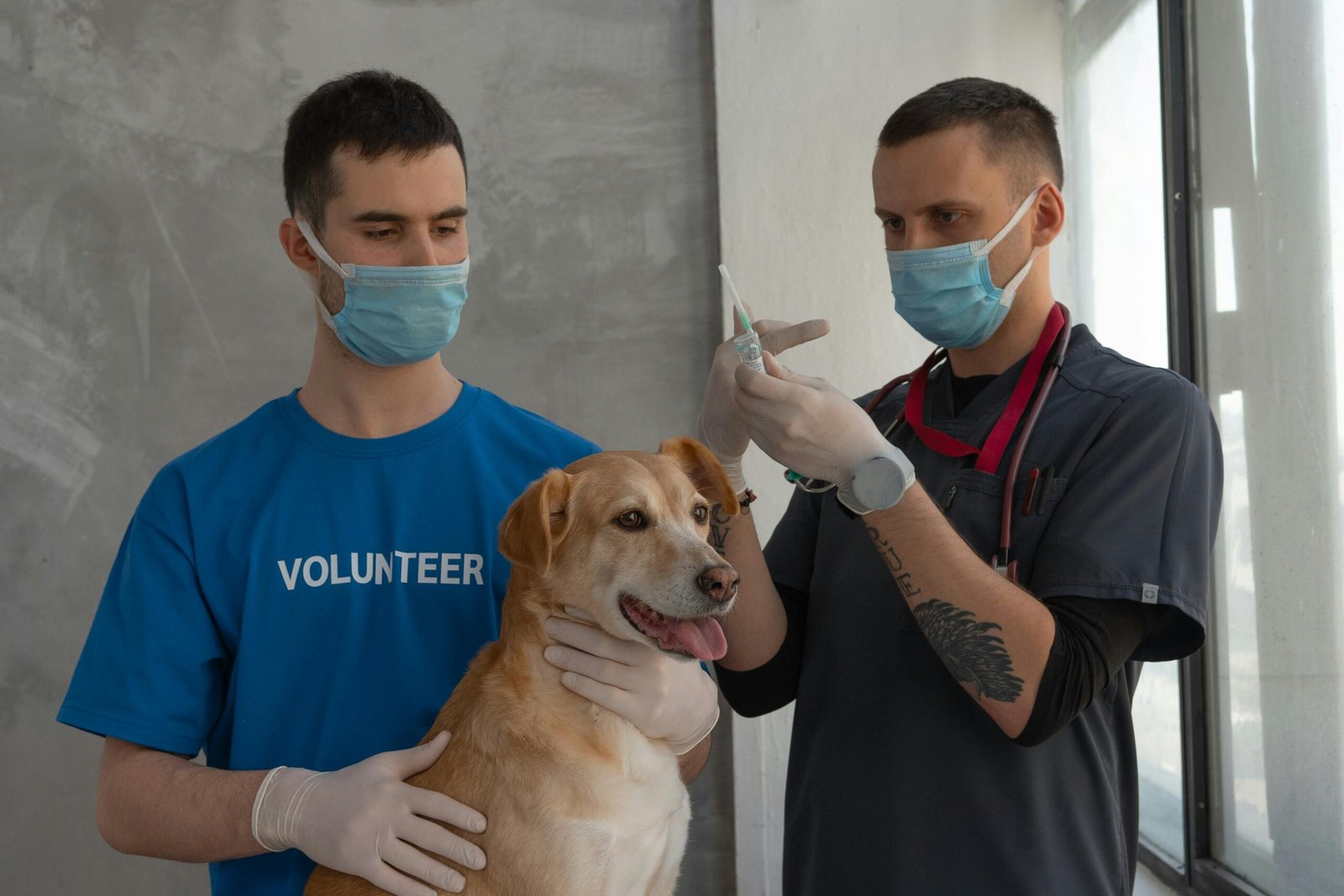
1. What Is Dog Dehydration? Dog dehydration happens when your dog loses more fluids than it takes in. Water makes up about 60 to 70 percent of an adult dog’s body weight, and every system in the body depends on it to function. When those fluid levels drop even slightly, the body starts to struggle.
Dogs lose water constantly through panting, urinating, breathing , and even through their paws . Under normal conditions, they replace those fluids by drinking water and eating food that contains moisture. The problem starts when intake cannot keep up with loss.
According to the American Kennel Club , a healthy dog needs approximately one ounce of water per pound of body weight every day. A 40-pound dog, for example, needs around 40 ounces of water daily just to stay at baseline. Any disruption to that balance can trigger dehydration surprisingly fast.
Why Is Dehydration Dangerous for Dogs? Water is not just thirst-quenching. It carries nutrients to cells, regulates body temperature, lubricates joints, cushions organs, and flushes out waste. When your dog is dehydrated, blood volume drops, oxygen delivery to tissues slows down, and organs begin to be affected.
The kidneys are typically the first organ seriously affected by dehydration. They rely on consistent fluid flow to filter blood and remove toxins. Without enough water, the kidneys concentrate urine and work overtime, which can lead to kidney damage if dehydration is severe or repeated.
2. How Can You Tell If a Dog Is Dehydrated? Key Warning Signs The signs of dehydration range from subtle to severe. Catching them early makes all the difference. Here are the three main categories of warning signs and what each one looks like in real life.
Physical Signs Dry or sticky gums: Press a finger on your dog’s gums. Healthy gums feel wet and slippery. Dehydrated gums feel tacky or dry to the touch. This is one of the fastest ways to spot a problem.Loss of skin elasticity: Gently pinch the skin at the back of your dog’s neck. Healthy skin springs back immediately. Dehydrated skin moves back slowly or stays in a tent shape for a moment before returning. This is called the skin tent test.Sunken or dry-looking eyes: Eyes that look dull, sunken, or have a glazed appearance suggest moderate to severe dehydration.Dry nose: A slightly moist nose is normal for most dogs. A cracked, very dry nose can indicate dehydration, though this alone is not definitive.Thick or ropey saliva: When a dog is well hydrated, saliva is thin and watery. In a dehydrated dog, it becomes thick, stringy, and almost rope-like.How Do Dogs Act When They Are Dehydrated? Behavioral Signs Behavioral changes are often the first thing owners notice. Here is how dogs act when they are dehydrated, before physical signs become obvious:
Lethargy and low energy : Loss of appetite : Excessive panting : What Are Three Warning Signs of Dehydration in Dogs? Severe Symptoms Explained The three most important warning signs of dehydration to watch for are dry or pale gums, loss of skin elasticity, and extreme lethargy or weakness. Beyond these three, there are five symptoms of severe dehydration that require emergency vet care immediately:
Weakness or collapse Rapid or weak heartbeat Pale or white gums instead of pink If you see any of these, go to an emergency vet immediately. This is not a situation for home treatment.
Quick Reference: Signs by Severity Level Sign
Mild Dehydration
Moderate Dehydration
Severe Dehydration
Gums
Slightly tacky
Dry and pale
Very dry, white or pale
Skin Tent Test
Returns in 1-2 seconds
Returns in 2-4 seconds
Does not return or stays tented
Eyes
Normal
Slightly sunken
Visibly sunken, dull
Energy Level
Slightly low
Noticeably lethargic
Weak, may collapse
Saliva
Slightly thicker
Ropey or sticky
Almost absent
Urination
Slightly reduced
Dark yellow urine
Very dark or absent
Urine can also reveal a lot about your dog’s hydration and kidney health. If you’ve noticed unusually pale or watery urine, our guide on diluted urine in dogs
3. How Do I Test My Dog for Dehydration at Home? 3 Reliable Methods Video credit: Downs DVM channel via YouTube.
Many owners ask: How can I check my dog for dehydration without going to the vet? The good news is you do not need any special equipment. These three tests take less than a minute and give you reliable information right at home.
Test 1: The Skin Tent Test (Most Reliable) Step 1: Find a calm spot and have your dog stand or sit still. Step 2: Use two fingers to gently pinch and lift the skin at the back of the neck, between the shoulder blades. Step 3: Release the skin and watch carefully. Snaps back instantly: Well hydrated Returns slowly (1 to 3 seconds): Mild to moderate dehydration Stays tented or barely moves: Severe dehydration, call your vet now Important note: In older dogs and dogs with very loose skin, the skin tent test can be less accurate. Always combine it with the gum check for a more complete picture.
Test 2: The Gum Check (Capillary Refill Test) Step 1: Lift your dog’s upper lip gently to expose the gums. Step 2: Look at the color. Healthy gums are pink and moist. Pale, white, or very dark red gums are a warning sign. Step 3: Press one finger firmly on the gum until the area turns white, then release. Step 4: Count how long it takes for the pink color to return. Under 2 seconds: Normal circulation and hydration 2 to 3 seconds: Possible mild dehydration Over 3 seconds: Moderate to severe dehydration, seek vet care Gum colour tells you more than just hydration status. To understand what every shade means and when it signals an emergency, read our full guide to pale gums in dogs
Test 3: The Eye and Saliva Check Look directly into your dog’s eyes. They should look bright, moist, and alert. Sunken or dull eyes suggest dehydration has already progressed beyond mild.
Then observe the saliva. Ask your dog to pant or open its mouth gently. Normal saliva is thin and clear. Thick, ropey, or foamy saliva is a sign of dehydration, particularly when combined with other symptoms.
4. What Does a Dehydrated Dog Look Like? Severity Levels Explained Understanding what a dehydrated dog looks like at each stage helps you make the right call on whether to treat at home or head to the vet.
Mild Dehydration (Fluid Loss Under 5%) At this stage, the dog looks mostly normal. You might notice slightly less energy than usual, a marginally dry nose, or a very slight delay in the skin tent test. The dog will usually still drink if offered fresh water. Most owners miss this stage entirely, which is why knowing the tests matters.
Moderate Dehydration (Fluid Loss 5 to 10%) This is where visible changes become clear. The gums feel tacky. The skin tent test shows a 2 to 3-second delay. The dog is noticeably lethargic and may have stopped eating. Eyes may look slightly sunken. Panting is more frequent than usual even in cool conditions. This stage requires prompt action.
Severe Dehydration (Fluid Loss Over 10%) Severe dehydration is a medical emergency. The dog may be too weak to stand, gums are dry and possibly pale or white, and the skin tent test shows skin that barely or never returns to position. The dog may not respond normally to stimulation. At this stage, home treatment is not enough. IV fluids from a vet are required to recover safely.
What Is the Last Stage of Dehydration? The last and most dangerous stage is when dehydration leads to hypovolemic shock , which means the blood volume has dropped so severely that organs begin to fail. Signs include near-total unresponsiveness, extremely rapid or barely detectable heartbeat, collapse, and pale or bluish gums. This is immediately life-threatening. Dogs who reach this point without veterinary intervention are at serious risk of death.
5. Causes of Dehydration in Dogs Knowing why your dog is dehydrated helps you prevent it from happening again and tells you whether the situation needs extra veterinary attention beyond just rehydration.
Common Everyday Causes Not drinking enough water: The most common cause. Dogs are often not motivated to drink unless their water is fresh, clean, and placed in a convenient location. Hot weather: Panting increases dramatically in heat, which removes significant fluid from the body. Exercise: Physical activity raises body temperature and causes heavy panting and sweating through the paw pads. Eating only dry kibble: Wet food contains up to 80 percent moisture. Dogs on an all-dry diet may not compensate fully with water intake. Medical Causes That Require Vet Attention Vomiting and diarrhea: These cause rapid fluid loss and are the most common medical triggers of acute dehydration. Fever: A raised body temperature accelerates fluid loss dramatically. Kidney disease: The kidneys lose the ability to concentrate urine properly, causing excessive fluid loss. Diabetes: Causes increased urination, which depletes fluid rapidly. Addison’s disease : Affects the adrenal glands and their ability to regulate fluid balance.If your dog is repeatedly becoming dehydrated without an obvious external cause like heat or exercise, a vet visit is important to rule out an underlying condition.
6. How to Rehydrate a Dog Quickly and Safely Offer water Offer fresh, cool water immediately. Do not force it. Let the dog drink at its own pace.
move it to a calm place Move to a cool, shaded, and calm environment if heat was a factor.
offer small ice chips Offer ice chips or small amounts of water every few minutes rather than a large bowl all at once, to avoid vomiting.
Offer wet food or broth Try wet food or broth mixed with water to increase fluid intake if the dog will not drink plain water.
What Human Foods Help Hydrate a Dog? Several foods with high water content can support hydration when used carefully:
Can I Give My Dog Pedialyte or a Home Remedy? Plain unflavored Pedialyte can be offered in small amounts to a mildly dehydrated dog. It contains electrolytes that help fluid absorption. However, many versions contain sweeteners or artificial flavors that are not safe for dogs. Always check the label and consult your vet before using it.
The safest home remedy for mild dehydration is fresh water offered regularly in small amounts, combined with moisture-rich food. Do not add sugar, salt, or other additives to your dog’s water without veterinary guidance.
How to Help a Dehydrated Dog That Will Not Drink This is one of the most frustrating situations. Here are practical ways to encourage fluid intake:
If a dog still refuses fluids for more than a few hours and continues to show dehydration signs, that is a vet situation.
If your dog is consistently refusing water even when healthy and not dehydrated, the reasons can range from a dirty bowl to an underlying illness. Our complete guide on why is my dog not drinking water
How Much Water Does It Take to Fully Rehydrate a Dog? A dog that is mildly dehydrated needs to replace the lost fluids plus maintain its normal daily intake. As a general guide, a mildly dehydrated dog loses approximately 40 to 50 ml of fluid per kg of body weight. A 20 kg dog, for example, may need an extra 800 to 1,000 ml of water on top of its normal daily requirement to fully recover. According to the MSD Veterinary Manual , fluid deficit is calculated by multiplying body weight in kg by the percentage of dehydration.
Full recovery from mild dehydration with consistent water access usually takes 6 to 10 hours. Moderate to severe dehydration takes longer and often requires veterinary fluids to recover properly.
7. How Vets Treat Dog Dehydration Video credit: PetMD channel via YouTube.
When home treatment is not enough, or when dehydration is caused by an underlying illness, veterinary intervention is necessary. Here is what to expect.
Veterinary Assessment Process A vet will perform a full physical examination, checking gum color and moisture, skin elasticity, capillary refill time, heart rate, and overall responsiveness. Blood tests and urinalysis are commonly used to check kidney function, electrolyte levels, and blood protein concentrations, which indicate how long and how severely the dog has been dehydrated.
Fluid Therapy Options Treatment Type
When Used
How It Works
Moderate to severe dehydration
Fluids delivered directly into the bloodstream via a catheter for fastest absorption
Mild to moderate dehydration
Fluids given under the skin, where they are absorbed slowly over several hours
Mild dehydration with no vomiting
Electrolyte solutions given by mouth or syringe
Severe cases with organ concerns
Dog stays under monitoring until stable with ongoing IV fluid support
IV fluids are the gold standard for moderate to severe dehydration because they restore blood volume and deliver electrolytes directly where the body needs them. Most dogs respond well and begin to show improvement within a few hours of starting IV therapy.
8. Special Cases: How to Tell If a Puppy Is Dehydrated Puppies are significantly more vulnerable to dehydration than adult dogs. Their bodies contain a higher percentage of water, they have less body mass to buffer fluid loss, and their immune systems are still developing. A puppy can go from mildly dehydrated to severely dehydrated in just a few hours.
Signs Specific to Puppies The skin tent test and gum check work the same way in puppies as in adults. However, puppies may also show these additional signs:
Any puppy showing signs of dehydration should be seen by a vet the same day. Do not wait to see if it improves on its own.
Senior Dogs and Dehydration Older dogs have a reduced sense of thirst, which means they may not drink enough even when their bodies need it. Kidney function also declines with age, making seniors less efficient at conserving water. If you have a senior dog, actively monitoring water intake and scheduling regular vet checkups is important.
9. Can a Dog Recover From Dehydration? Yes, most dogs recover fully from dehydration when it is caught and treated promptly. Mild cases resolve within hours with proper water intake. Moderate cases typically recover within 24 hours with the right treatment. Severe dehydration, especially when it has progressed to organ involvement, may take days of veterinary care and close monitoring.
The key factor in recovery is how quickly treatment starts. A dog that receives fluids within a few hours of becoming severely dehydrated has a much better prognosis than one that goes untreated for 12 or more hours.
How Much Dehydration Is Dangerous If Left Untreated? According to the Merck Veterinary Manual , dogs showing 12% or greater dehydration present with very dry mucous membranes, complete loss of skin turgor, severely sunken eyes, possible alteration of consciousness, and thready weak pulses — all signs that the body is in critical failure. At this level, the cardiovascular system begins to fail, kidneys can sustain permanent damage, and without immediate veterinary intervention, the risk of death increases significantly.
Even moderate dehydration of 6 to 8 percent, if left untreated for more than 24 hours, can begin to cause damage to the kidneys and other organs. This is why the window for home treatment is relatively small and why erring on the side of calling your vet is always the right call.
10. How to Prevent Dehydration in Dogs Prevention is far easier than treatment. These habits, put in place consistently, will dramatically reduce the risk of your dog becoming dehydrated.
Daily Water Habits Change water at least twice a day. Dogs often refuse stale water. Place multiple water bowls in different areas of your home and yard. Consider a pet water fountain. Running water encourages more drinking for most dogs. Monitor how much your dog typically drinks so you notice quickly when intake drops. During Hot Weather and Exercise Always bring water on walks, hikes, and trips to the park. Offer water breaks every 15 to 20 minutes during outdoor activity in warm weather. Limit intense exercise during the hottest part of the day, typically between noon and 3 PM. Never leave a dog in a parked car, even briefly. Temperatures inside a car rise dangerously fast. Diet Adjustments Adding wet food to your dog’s diet is one of the simplest ways to increase fluid intake. Even mixing a small amount of wet food or low-sodium broth with dry kibble adds meaningful moisture to every meal. According to the ASPCA , wet food can contribute significantly to daily fluid intake, particularly for dogs that are reluctant drinkers.
11. Frequently Asked Questions
How quickly can a dog become dehydrated? A dog can become mildly dehydrated within a few hours in hot weather or during intense exercise. Severe dehydration from vomiting or diarrhea can develop in as little as 8 to 12 hours. Puppies and small breeds dehydrate faster than large adult dogs.
What Is the Best Thing for a Dehydrated Dog? The best thing for a dehydrated dog depends on the severity. For mild cases, fresh cool water offered in small amounts every few minutes is the most effective first step. Wet food, diluted broth, and a cool resting environment all support recovery. For moderate to severe dehydration, the best thing you can do is get to a vet immediately so IV or subcutaneous fluids can restore levels fast.
What home remedy can I give my dog for dehydration? The safest home remedy is fresh water combined with moisture-rich foods like wet dog food, watermelon, or cucumber. Plain unflavored Pedialyte in small amounts can help replace electrolytes in mild cases. Always check with your vet before using any supplement or electrolyte product.
Which organ is first affected by dehydration? The kidneys are typically the first organ seriously impacted by dehydration. They rely on consistent fluid flow to filter blood and remove waste. When fluids drop, the kidneys reduce urine output and concentrate waste products, which over time can lead to kidney damage or failure if dehydration is prolonged or severe.
How do vets treat dog dehydration? Vets treat dehydration using IV fluids for moderate to severe cases or subcutaneous fluids for milder cases. They also run blood tests and urinalysis to check for underlying causes and assess kidney function. The dog may be hospitalized for monitoring until fluid levels stabilize.
Can a dog recover from dehydration on its own? A dog with mild dehydration can recover on its own if given access to fresh water and a cool environment. Moderate to severe dehydration requires veterinary care. A dog with an underlying illness causing the dehydration will not recover fully without treating that underlying cause as well.
How to tell if a dog died from dehydration? A dog that dies from severe untreated dehydration will typically show signs in the hours before death, including complete collapse, pale or bluish gums, unresponsiveness, and absence of normal reflexes. Post-mortem confirmation would require a veterinary examination. If you suspect your dog is in this state, contact an emergency vet immediately.
How do I know if my dog is dehydrated or just tired? Tiredness alone does not cause dry gums, slow skin tent test results, or sunken eyes. If you check the gums and they feel moist, the skin snaps back immediately, and the dog drinks when offered water, it is likely just tired. If two or more dehydration signs are present together, treat it as dehydration until confirmed otherwise.
Conclusion So, how can you tell if a dog is dehydrated is one of the most practical skills you can have as a dog owner. Most cases start subtly and progress quickly, which means early detection really does save lives.
If you ever feel unsure after checking your dog, call your vet. A quick phone call is always better than waiting and hoping. Your dog depends on you to catch these signs, and now you know exactly what to look for.
A Quick Note: I am a dog owner and researcher, not a licensed veterinarian. Everything in this article is based on thorough research from trusted veterinary sources. It is meant to help you recognize the signs early, but it is never a replacement for real veterinary care. When in doubt, always call your vet.
Muhammad Saad writes about pet nutrition and safety at Petscriz, researching each topic against peer-reviewed and veterinary sources. Firsthand animal care experience includes freshwater fish, rabbits, cats, parrots, and chicks; dog-related content is compiled from cited research rather than personal ownership, and is flagged accordingly throughout the site.