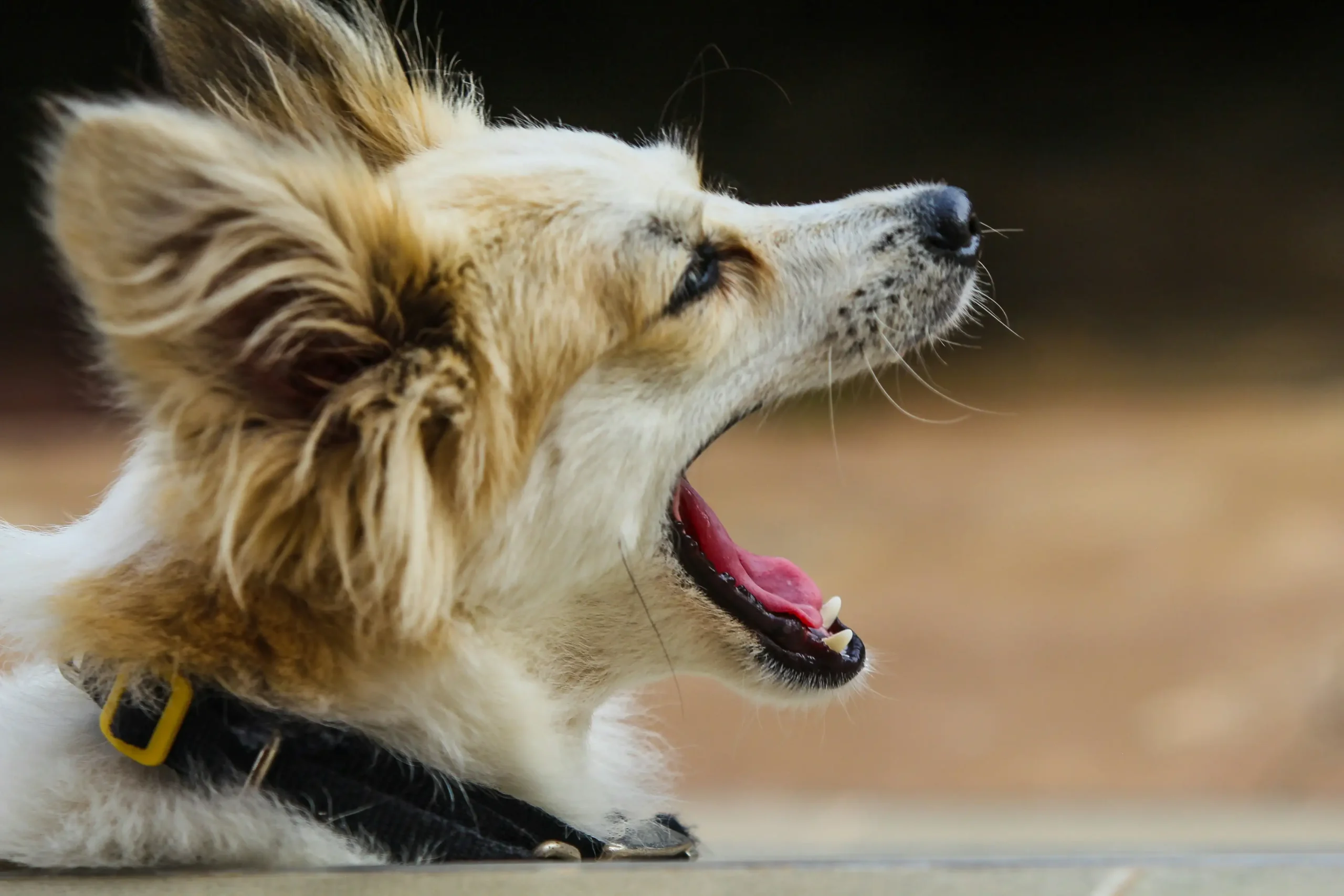
Video short credit via YouTube Pet Circle channel.
What barking means A bark can be a greeting, an alarm, or a request for something. Some dogs bark because they are bored or alone too long, while others bark because they see a stranger or another dog. It helps to look at the full picture instead of treating barking like one single problem.
A bark is not just noise. It can mean excitement, warning, fear, frustration, attention-seeking, or simple communication. That is why the question how do dogs bark is really about both biology and behavior.
Why the same bark sounds different According to a study published in Animal Behaviour by researchers at the Family Dog Project, dogs deliberately adjust the pitch, rhythm, and duration of their barks to communicate different messages. A playful bark and an alarm bark are as different to a trained ear as a question and a command are in human speech.
The pitch and tone of a bark can change because of vocal cord tension, body size, and emotional arousal. A small dog may sound sharp and high, while a bigger dog often sounds deeper and fuller. That is one reason why dogs barking differently based on their breed matters so much in real life.
For a deeper breakdown of pitch and emotion, see our full guide on high-pitched dog bark meaning .
Dogs bark when airflow, throat muscles, and emotion work together to create a sound people can hear and react to. That sound can be short, loud, repeated, or deep depending on the situation.
The 7 Types of Dog Barks and What They Mean There are 7 recognized types of dog barks and 7 reasons for dog barking, according to PetMD , each driven by a different emotional state or purpose. Understanding these different types of dog barks is the first step toward reading your dog accurately instead of just reacting to the volume.
1. Alert Bark The alert bark is the most common type. It is your dog’s way of flagging something new in their environment. A stranger approaching the door, an unfamiliar car in the driveway, a noise outside at night. The sound is typically sharp and comes in bursts of two to four, then pauses as the dog waits to see if the threat continues.
This bark is not a problem in itself. It becomes one when the dog cannot stop even after the trigger is gone, or when it fires off for every minor sound all day long. The alert bark is your dog’s version of tapping you on the shoulder and saying, “Hey, look at this.”
An alert bark comes in short bursts of two to four sharp sounds and is triggered when a dog notices something new or unusual in their environment.
2. Territorial or Protective Bark When something or someone enters what the dog considers their space, the bark deepens and becomes more sustained. This is different from an alert bark. It is louder, lower in pitch, and more intense. The dog’s body language shifts too: they position themselves between you and the perceived intruder, their posture becomes rigid, and their tail may be held high.
Breeds developed for guarding work, such as Rottweilers, Dobermans, and German Shepherds, tend to produce this bark more readily. But any dog that has formed a strong bond with its home territory can develop it.
3. Fear Bark Fear barking is often mistaken for aggression, and that mistake makes things worse. A frightened dog that is cornered or overwhelmed will bark at a high pitch, often while retreating or crouching. The ears go flat, the tail tucks, and the body leans away even as the dog keeps barking.
This type of bark is common in dogs that were not properly socialized during their critical development window, roughly 3 to 14 weeks of age. The dog is not trying to attack. They are saying, “I am scared, and I do not know what to do.” Punishing this bark almost always intensifies the fear and makes the behavior worse over time.
4. Demand or Attention Bark This is the bark that shows up when your dog wants something and has learned that barking gets results. Food, your attention off your phone, a walk, a toy. It is persistent, aimed directly at you, and tends to escalate if ignored. Many dogs make direct eye contact during demand barking.
Demand barking is a learned behavior. The dog discovered at some point that barking worked. The fix is consistent non-reinforcement: the moment barking starts, all good things stop. No eye contact, no speech, no reaction. The instant the dog is quiet, reward the quiet. This process requires patience, but it works.
Important: If you give in to demand barking even occasionally, you are reinforcing it on a variable reward schedule, which is the most powerful type of reinforcement. The dog will bark harder and longer before giving up.
5. Frustration Bark When a dog wants something they cannot reach, another dog on the other side of the fence, a squirrel up a tree, a toy lodged under the sofa, frustration barking kicks in. This bark is usually higher pitched and may mix with whining. The dog may also spin, pace, or scratch at whatever is in the way.
Unlike demand barking, which is aimed at you, frustration barking is aimed at the obstacle. It can look manic. The dog is not being disobedient. They are dealing with an emotional state they have not learned to regulate.
6. Boredom or Loneliness Bark A dog left alone for extended periods without enough mental or physical stimulation often defaults to barking simply because there is nothing else to do. This bark is monotonous and repetitive, almost rhythmic. It can continue for hours. This is the type your neighbors hear and report.
According to the ASPCA, separation anxiety is the most common complaint by dog owners. This is a welfare issue before it is a behavior issue. The solution starts with the dog’s daily routine, not the bark itself.
7. Greeting or Play Bark Not all barking is a problem. A greeting bark when you come home, or a play bark during a game of fetch, is joyful communication. These barks are higher pitched, come in shorter bursts, and are backed by a completely different body: loose, wiggly, tail-wagging, maybe spinning.
A play bark is also used as an invitation to other dogs. It often pairs with a play bow, where the dog drops their front end while keeping their back end up. This is one of the clearest signals in canine body language that the dog wants interaction, not conflict.
Quick Rule: If the dog’s body looks relaxed and bouncy, the bark is almost certainly playful or excited. If the body looks rigid and still, treat the bark as a serious signal and give the dog space.
What Type of Dog Barks the Most and the Least? Barking frequency varies enormously by breed, and understanding this helps you set realistic expectations before getting a dog or when managing your current one.
What Type of Dog Barks the Most Dogs bred historically for vocalization, alert work, or hunting tend to bark the most. These breeds were selected specifically because their barking was useful to humans.
Breed
Why They Bark So Much
Bark Style
Beagle
Bred to track and vocally alert hunters to quarry
Loud melodic bay, very far carrying
Yorkshire Terrier
Originally a ratter bred to bark and alert
Sharp, high pitched, frequent
Miniature Schnauzer
Farm sentinel and watchdog background
Persistent, sharp, alert focused
Cairn Terrier
Bred to drive prey from rocky terrain with noise
High pitched, energetic
Fox Terrier
Hunt dog that used bark to locate prey
Sharp and rapid
German Shepherd
Protection and alert role in police and military
Deep, powerful, authoritative
Siberian Husky
Pack communication, bred in open tundra
More howl than bark, very vocal
What Type of Dog Barks the Least Breed
Best For
Size
Bark Level
Basset Hound
Adaptable families, moderate exercise
Medium (40–65 lbs)
High (booming bark and bay)
Bichon Frise
Super social, loves people
Small (7–12 lbs)
Moderate (tends to bark)
Boerboel (South African Mastiff)
Older kids and adults, docile giant
Giant (150–200 lbs)
Low
Cavalier King Charles Spaniel
Families with kids and pets, lap dog
Small (8–18 lbs)
Low
Clumber Spaniel
Active families who love outdoors
Large (55–85 lbs)
Low
English Bulldog
Low-energy homes, napping
Medium (40–50 lbs)
Very Low
Great Dane
Gentle family dogs, plenty of space
Giant (100–150 lbs)
Low (quiet nature)
Greyhound
Quiet homes, fenced yard
Large (60–70 lbs)
Very Low (gentle, quiet)
Irish Wolfhound
Families with older kids, therapy work
Giant (120–180 lbs)
Low (gentle, sensitive)
Newfoundland
Families with children, sweet temperament
Giant (100–150 lbs)
Very Low
Pekingese
Lap dogs, pampered companions
Small (7–14 lbs)
Low (laid-back)
Saint Bernard
Families with children, “nanny dogs”
Giant (120–180 lbs)
Very Low (chill, collected)
Tibetan Spaniel
Apartments, devoted companions
Small (9–15 lbs)
Low (happy, playful but calm)
Whippet
Low-key families, quiet homes
Medium (25–40 lbs)
Very Low (sensitive, calm)
This table is based on PetMD’s veterinarian-reviewed list of the 14 calmest dog breeds, updated in January 2024 and reviewed by Jennifer Coates, DVM.
How dogs physically produce barking sounds Dogs physically produce barking sounds by pushing air from the lungs through the larynx, where the vocal cords vibrate and make sound. The mouth, throat, and nasal passages then shape that sound into the bark we hear.
This is the part many owners miss. Barking is not random; it is a body process controlled by muscles and breath.
The larynx and vocal cords The larynx sits in the throat and is often called the voice box. Inside it are the vocal cords, which open during quiet breathing and narrow during barking. When air passes through that tighter space, the cords vibrate and create sound.
Breath pressure and sound shape The diaphragm and chest muscles help push air outward when a dog barks. More air pressure usually means a stronger bark, while the size and tension of the vocal cords affect how high or low the bark sounds. That is why how do dogs physically produce barking sounds is a useful question for anyone trying to understand a noisy dog.
Why some dogs sound sharper Breed, size, and throat shape influence bark tone. Smaller dogs often sound more piercing, while larger dogs often produce richer, lower barks. No bark is “better” than another, because each sound reflects a different body and behavior pattern.
Why dogs bark too much Excessive barking usually means the dog is trying to tell us something. The most common reasons are boredom, anxiety, fear, territorial behavior, attention-seeking, excitement, and separation distress.
If you want to know what are the common reasons dogs bark excessively, start by watching when the barking happens. The trigger tells you more than the noise itself.
Barking at people and strangers Many dogs bark at people because they feel unsure, protective, or overexcited. A dog may also bark at strangers because it has not had enough positive social exposure when young. This is why how to stop a dog from barking at people and strangers often needs the same plan: distance, treats, and calm practice.
Barking at other dogs Some dogs bark at other dogs because they feel leash frustration, fear, or social tension. Others bark because they are overstimulated and want to greet fast. If you are asking how to stop a dog barking at other dogs, the first step is usually to create enough space for your dog to stay under control.
Barking when alone or at night Dogs may bark when left alone because of separation anxiety, boredom, or frustration. Night barking can also happen when the dog hears outdoor sounds, feels lonely, or has not settled into a predictable routine. That is why how to stop a dog from barking when left alone and at night needs different but related solutions.
How to stop a dog barking The best way to stop barking is to fix the reason behind it, not just punish the sound. Most trainers start with routine, exercise, mental enrichment, and training before considering tools, as instructed in PetMed .
If someone asks how do you train your dog to stop barking, the usual advise is to reward calm behavior, reduce triggers, and stay consistent. That is also the safest long-term way to handle excessive barking.
Training that works The goal is to teach the dog what to do instead of barking. For example, you can teach “quiet ” by waiting for a pause, then rewarding silence, not noise. If the dog barks for attention, remove your attention until the barking stops.
Useful tools include treats, a clicker, a leash, and controlled distance from triggers. Some owners also use no shock bark collars, but those are best treated as training aids, not solutions. Humane training should always come first.
Comparison table Tool
How it works
Best use
Caution
Treat rewards
Reinforces calm behavior
Basic obedience and quiet training
Clicker
Marks the exact quiet moment
Precision training
Must be paired with rewards
Dog whistle
Interrupts barking with a sharp sound
Some dogs, some situations
May startle sensitive dogs
Bark collar
Uses sound, vibration, or correction
Short-term management only
Not ideal for root cause training
Smart home camera
Monitors barking when alone
Alone time and pattern tracking
Does not train by itself
Humane bark collars When people ask how do bark collars work on dogs, the answer is that they usually react to barking with sound, vibration, or in some products a mild correction. The main issue is that they can stop the noise without solving fear, boredom, or anxiety. If you are searching for what are the best humane bark control collars for training or which dog bark collars are most effective and safe, I would only consider them if they are non-shock and paired with proper behavior work.
Best Devices to Monitor and Analyze Dog Barking at Home If you want to understand your dog’s barking patterns, especially when you are not home, modern technology makes this genuinely accessible. Here are the most useful options:
Smart Cameras With Bark Detection Furbo Dog Camera: Uses AI to detect barking and sends an instant notification to your phone. Has two-way audio so you can speak to your dog remotely. Some owners report that hearing their voice helps calm separation-anxiety barking temporarily. Wyze Cam v3 and Arlo Pro: Both offer pet sound detection, including bark-specific alerts. Wyze is budget friendly. Arlo offers better range and image quality for larger homes. Eufy Pet Camera: Specifically designed for pet monitoring with motion and sound detection. Stores footage locally. Wearable Bark Monitors Petpuls Collar: Uses AI to analyze your dog’s bark and classify the emotional state behind it. Claims to identify happiness, anxiety, anger, sadness, and relaxation from vocal patterns. A study in collaboration with Seoul National University showed 80 percent accuracy across five emotional states. Whistle Health and GPS Tracker: Monitors activity patterns and can flag unusual vocalizations or restlessness that may indicate anxiety or boredom barking. Smart Home Integrations Amazon Alexa and Google Home routines: Can be set to play calming music or white noise automatically when a bark detector fires. BarkBuddy paired with smart speakers: Triggers a prerecorded owner voice command when barking is detected, giving the dog an auditory cue even when you are not home. These tools are most valuable for identifying patterns. If your dog barks in the first ten minutes after you leave and then settles, that is a different problem from a dog that barks continuously for six hours. Knowing which pattern you are dealing with shapes the training approach.
How to stop dogs from barking at night Night barking usually improves when you find the reason the dog feels the need to bark. That means better routine, more daytime activity, and fewer triggers at bedtime.
If you are asking how to stop dogs from barking at night, first check whether the dog is bored, alert barking, or anxious about being alone. Many dogs bark less at night once they get enough exercise and mental work earlier in the day.
Make bedtime predictable A steady evening routine helps dogs settle. Include a bathroom break, a short calm walk, and a quiet sleep spot. Predictability reduces the need for warning barking.
Reduce outside triggers Close curtains, reduce hallway noise, and use white noise if outdoor sounds wake the dog. If the dog hears every movement outside, the bark often becomes an alarm response. That is why environmental control matters as much as training.
Handle alone time For dogs that bark when left alone, build independence slowly. Short practice absences, safe chew items, and calm departures can help. If barking is severe, consider separation anxiety support from a qualified professional.
How do I make my neighbor’s dog stop barking Avoid trying to stop a neighbor’s dog barking by yourself. Start by talking to the neighbor in a calm and friendly way, because punishment-based tools usually make barking worse.
What to do
Why it works
Talk calmly without blame.
Many owners do not realize their dog is barking too much.
Share when the barking happens and how it affects you.
Gives the owner clear information to act on.
Suggest enrichment, exercise, and habit tracking.
Boredom and anxiety cause most nuisance barking.
Suggest a reward-based trainer or behaviorist if needed.
Professionals can find the root cause like separation anxiety.
Lodge a noise complaint with your council if nothing changes.
Legal steps are the last option when communication fails.
Do not use sonic anti-bark boxes or punishment on a neighbor’s dog. Those methods can make fear and stress worse. The best path is always conversation first, then professional help if needed.
How do you stop a dog barking at everything A dog barking at everything is usually overwhelmed by triggers, bored, anxious, or overprotective. If you want to know how to stop a dog barking at everything, start by identifying the trigger and the type of barking before you try any tool.
Common types of barking at everything Barking type
Trigger
What to do
Territorial or alert
People or animals near the home
Block views, use white noise, reward calm.
Alarm
Sudden noises or movements
Mask sounds, reward quiet, ignore false alarms.
Attention-seeking
Owner ignores or reacts
Ignore barking, reward quiet behavior only.
Socially facilitated
Hearing other dogs barking
Reduce exposure, use sound masking.
Frustration
Can’t reach something it wants
Remove barrier, redirect with toys or play.
Pain or illness
Discomfort or medical issue
See a vet first before training.
Step-by-step plan Find the trigger. Watch what happens right before the barking starts.Block visual triggers. Close blinds, use frosted windows, or add solid fencing.Add exercise and mental work. Aim for at least 30 minutes of vigorous exercise daily and rotate toys.Teach quietness or settle. Reward the moment the dog stops barking, not while it barks.Ignore attention barking. Do not give eye contact, touch, or speech when the dog barks for attention.Avoid barking rehearsals. Use chews, puzzles, or busy toys during known trigger times.If the dog barks at everything, the problem is usually too much exposure without enough calm reinforcement. Progress comes from consistent routine and reward-based training, not punishment.
When to Involve a Professional If the barking is severe, has lasted more than a few months, is accompanied by destructive behavior or self-harm, or involves genuine aggression, a certified professional dog trainer or veterinary behaviorist is the right next step. The International Association of Animal Behavior Consultants (IAABC) maintains a directory of certified consultants searchable by location.
How do you stop a dog barking when left alone Dogs that bark when left alone are often dealing with separation anxiety. The first step is to figure out whether this is mild distress or true separation anxiety.
Mild distress vs separation anxiety Mild distress
True separation anxiety
A few barks after you leave, then calms down.
Constant barking, pacing, drooling, or destructive behavior.
Calms within a few minutes.
Stays in a high state of panic for long periods.
Responds to enrichment and routine.
Needs behavior modification and sometimes vet support.
What works Method
How to do it
Why it helps
Enrichment toys
Leave special chew toys only when alone
Creates a positive association with being alone
Gradual departure training
Practice leaving for seconds, then minutes
Builds confidence without pushing the dog over threshold
Predictable routine
Same feeding, walk, and departure times
Reduces anxiety from uncertainty
White noise or calming music
Mask outside sounds
Reduces startle triggers that cause barking
Professional help if needed
Contact a clinical behaviorist
Separation anxiety often needs a custom plan
A dog with true separation anxiety should not be left to bark for long periods. That can make the fear worse. Instead, return before the dog reaches a high panic level and work on slower desensitization.
If your dog barks when you leave the house, it may be due to separation anxiety, boredom, or fear. For a complete guide on this specific issue, read our guide on why does my dog bark when I leave .
How dogs bark in different languages Dogs make the same sound everywhere, but people write that sound differently depending on language and culture. That is why how do dogs bark in different languages is really a language question, not a biology question.
In English, people often say “woof” or “bark.” In Spanish, it is “guau,” in Japanese “wan wan,” and in Chinese “wang wang.” These are all onomatopoeic words, meaning they imitate a sound.
Common examples English: woof, woof. French: waouh, waouh. Spanish: guau, guau. German: wuff, wuff. Japanese: wan wan. Chinese: wang, wang. Why languages differ People hear and spell sounds through their own language patterns. So dogs barking in different languages is not about the dog changing, but about humans translating the sound differently. That idea is useful because it shows that barking is universal, even if the words are not.
How to stop your dog barking at other dogs The best answer is usually distance, calm exposure, and reward-based training. Dogs bark at other dogs because they feel pressure, fear, or too much excitement.
Do not force close contact too quickly. Start far enough away that your dog can notice the other dog without exploding into barking.
Use distance first Distance lowers emotion. When your dog stays calm, reward the calm behavior right away. This is much more effective than waiting for a big reaction and then correcting it.
Practice calm greetings When the dog can handle it, allow short, controlled greetings. Keep the meeting brief and positive, then leave before the dog gets overwhelmed. That helps reduce repeat barking over time.
Watch leash frustration Some dogs bark more on leash because they feel trapped or unable to greet. In those cases, focus on loose leash walking, safe distance, and calm reinforcement. This is one of the most overlooked causes of barking at other dogs.
How do you teach a dog to bark on command Teaching a dog to bark on command can be useful for service-style cues or controlled alert training, but it should be done carefully. Only teach it if you also teach “quiet” right after.
For how to teach a dog to bark on command, first wait for a natural bark or a small sound, mark it, and reward it. Then pair that behavior with a word like “speak.”
Simple training flow Get the dog interested and alert. Reward any vocal sound at first. Add the cue word when the bark happens. Practice short sessions only. Teach “quiet” as the second cue. Why quiet matters A bark cue without a quiet cue is a bad trade. The dog needs to understand both the start and the stop of the behavior. That balance makes the training far more useful in daily life.
Anti-dog barking devices Anti-dog barking devices can interrupt barking, but they do not fix the cause. That is why they are best seen as tools, not solutions.
People often ask how anti-dog-barking devices work and how do dog whistles work to stop barking. In simple terms, they startle or interrupt the dog so the barking pauses. Some devices use sound, some use vibration, and some use automatic correction.
When they may help They may help in short-term management if barking is causing a serious problem and training is already in progress. They can also help interrupt a habit while you work on desensitization and routine changes. But they should not be relied on alone.
Safety and humane use Many trainers and behavior-focused writers do not recommend punishment-based bark control as the first choice. The main reason is that a dog can learn to fear the trigger instead of learning calm behavior. That is why humane, reward-based training is still the better path.
FAQs
How do dogs bark differently based on their breed? Breed can affect bark pitch, volume, and frequency. Small dogs often sound higher and sharper, while larger dogs usually sound deeper. Herding and watchdog breeds also tend to bark more because barking fits their natural job.
How do dogs physically produce barking sounds? Dogs bark by moving air from the lungs through the larynx and vocal cords. The cords vibrate, and the throat and mouth shape the final sound. That is the basic physical answer to how do dogs bark.
What are the best dog training tools to control excessive barking? The best tools are usually treats, a clicker, a leash, distance from triggers, and a calm routine. Bark collars and whistles may interrupt barking, but they do not solve the reason behind it. Start with training before any device.
What are the common reasons dogs bark excessively? The most common reasons are boredom, anxiety, fear, attention-seeking, territorial behavior, excitement, and separation issues. The trigger matters because the solution depends on it. That is why barking should be read like behavior, not just noise.
Can smart home devices help monitor or reduce dog barking? Yes, they can help owners notice patterns, track when barking happens, and confirm whether the dog barks when alone. Cameras and smart monitors do not train the dog by themselves, but they can help owners understand the cause. That makes the training plan smarter and more specific.
What are the best humane bark control collars for training? Look for non-shock collars that use sound or vibration only, and use them only with a real training plan. Humane does not mean perfect, so root cause training should come first. For many dogs, rewards and management work better.
Which dog bark collars are most effective and safe? The safest options are usually the ones that are least unpleasant or uncomfortable for the dog, such as sound- or vibration-based devices. Even then, effectiveness depends on the dog and the reason for barking. If the barking comes from fear or separation stress, the collar should not be treated as a fix.
What is the 3-bark rule? The 3-bark rule is a home rule some owners use to let a dog bark a few times before redirecting the behavior. It is best treated as a reminder to observe the trigger, not as a hard training law. If barking continues beyond those few barks, step in with calm redirection and a training plan.
Conclusion So, how do dogs bark? They bark with air, throat muscles, and emotion, and the sound changes based on the dog’s body and reason for barking. Three things to remember are these: barking is communication, excessive barking has a cause, and humane training usually works better than punishment.
To help a dog bark less, start by finding the trigger, then add routine, distance, and reward-based training. That applies whether you are trying to stop a dog barking at night, at strangers, or stop barking at other dogs. The best long-term answer is not silence at any cost. It is a calmer dog that feels understood.
This article is for informational purposes only and does not replace professional advice from a licensed veterinarian or certified dog behaviorist. Techniques and tools mentioned may not be suitable for every dog. Always consult a qualified professional before starting any new training program, especially if your dog shows fear, aggression, or severe anxiety.
Muhammad Saad writes about pet nutrition and safety at Petscriz, researching each topic against peer-reviewed and veterinary sources. Firsthand animal care experience includes freshwater fish, rabbits, cats, parrots, and chicks; dog-related content is compiled from cited research rather than personal ownership, and is flagged accordingly throughout the site.